British Airways BA295 Emergency Descent: What the Facts Tell Us
British Airways flight BA295 made an emergency descent of 27,000 feet over Ireland on 5 October 2026, squawking 7700 before returning safely to Heathrow.
 By The Aviation Hub
5 min read
By The Aviation Hub
5 min read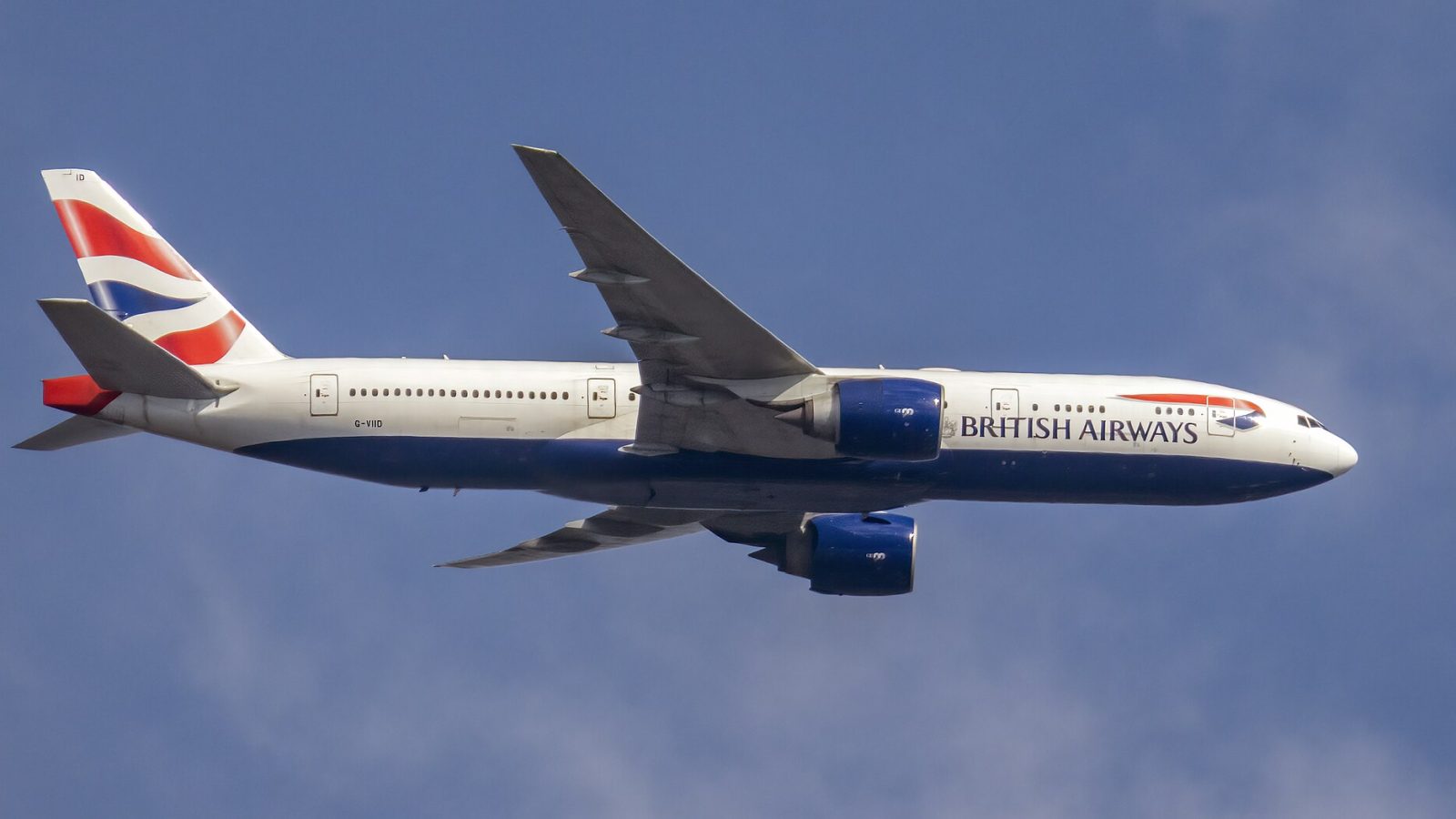
The BA295 emergency descent, a rapid drop of 27,000 feet over Ireland on 5 October 2026, saw the aircraft squawking 7700 before returning to London Heathrow.
No injuries have been reported, but the incident raises questions worth examining carefully: about the aircraft involved, the crew’s response, and what the available facts do and do not yet tell us.
What Happened on Flight BA295
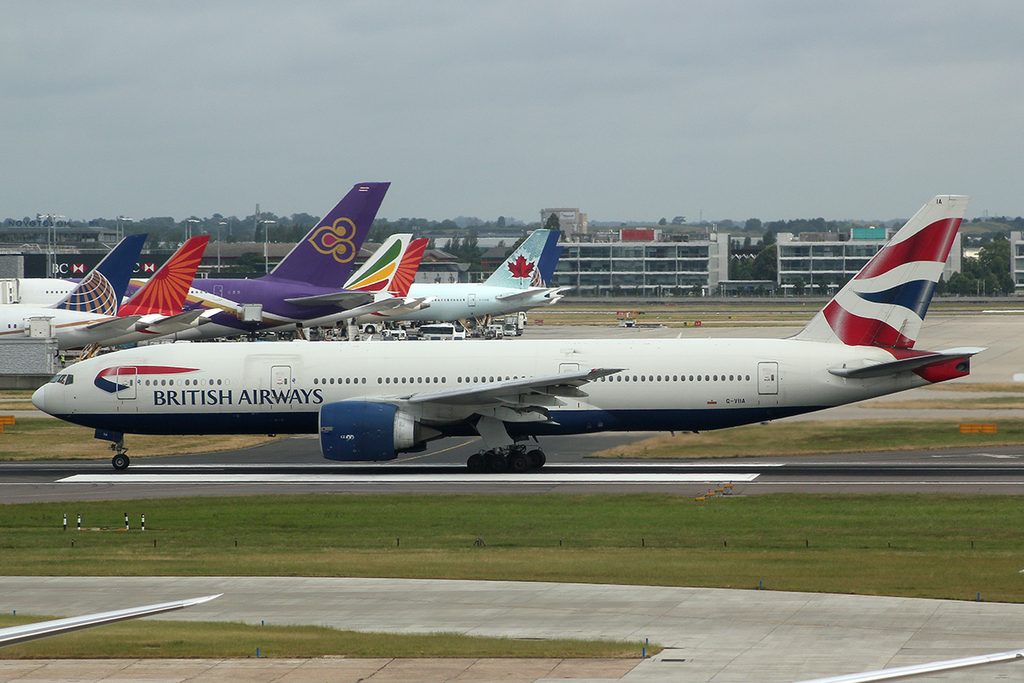
AeroTime reports that BA295, operated by a Boeing 777-200ER registered G-VIIA, was cruising at 36,000 feet approximately 40 nautical miles south of Dublin when the crew initiated a descent.
According to an incident report carried by AeroInside and cited by AeroTime, the aircraft descended approximately 27,000 feet in around seven minutes, averaging roughly 3,800 feet per minute, before levelling off at 9,000 feet.
The Guardian reports that the flight had departed Heathrow at 12.14pm local time and had been airborne for approximately one hour when the event occurred. Passenger oxygen masks deployed from the cabin ceiling during the descent.
The crew transmitted a squawk 7700, the international general emergency code, to air traffic control. You can follow incidents like this as they develop on our Squawk 7700 hub, which tracks live emergencies and maintains an incident archive.
What the BA295 Emergency Descent Profile Implies
The combination of oxygen mask deployment and a rapid descent to below 10,000 feet is significant. Both The Mirror and AeroTime note that this profile is routinely associated with a loss of cabin pressurisation, as descending to 10,000 feet places the aircraft in air dense enough for passengers to breathe without supplemental oxygen.
AeroTime is careful to describe the manoeuvre as an emergency descent initiated by the pilots, rather than an uncontrolled loss of altitude, noting that some early reports used the word “plunging” in a way that did not reflect the available account. That distinction matters. A controlled emergency descent, executed at the crew’s direction, is a practised and certified procedure. It is not the same as an aircraft falling outside the crew’s control.
British Airways has described the cause only as a “technical issue.” The official cause of the emergency has not been confirmed by any authority, and no cause should be assumed at this stage.
The Crew’s Handling
Passenger Tom Nicholls, quoted by both The Guardian and The Mirror, described the descent as not feeling rapid and said the pilots “did a very good job.” He noted that a couple nearby could not reach their masks but found spare ones before the captain announced the aircraft was below 10,000 feet, at which point supplemental oxygen was no longer required.
Nicholls also said the airline handled the emergency “pretty well” and that passengers were rebooked on flights the following day.
After the descent, The Mirror reports that approximately 26,000 people watched the aircraft’s movements live on Flightradar24. Flight-tracking data showed the aircraft holding in a looping pattern near the Bristol Channel, between Pembrokeshire and North Devon, before landing back at Heathrow at approximately 5pm local time. The extended holding was required to burn down fuel weight to within the aircraft’s maximum certified landing weight.
The Aircraft Involved
The Guardian notes that the Boeing 777-200ER involved is one of British Airways’ oldest aircraft in service, having been delivered to the carrier in July 1997, giving it close to 30 years of operational life. AeroTime confirms the registration as G-VIIA.
The age of the airframe is a factual detail worth noting in context. Aircraft of this vintage remain in widespread commercial service and are subject to ongoing airworthiness requirements, but it is a data point investigators will consider. Readers wanting background on this specific aircraft can use our Aircraft Search to look up further details on G-VIIA.
How This Compares to Similar Events
AeroTime points to comparable pressurisation incidents on other carriers for context. In January 2023, a Kenya Airways Boeing 737 deployed passenger oxygen masks and descended to 10,000 feet before landing safely in Mombasa. In February 2024, an Indonesia AirAsia Airbus A320 experienced pressurisation problems on two consecutive days, prompting emergency descents on both occasions. No injuries were reported in either case.
Pressurisation-related emergency descents, while alarming for those on board, are a known category of occurrence for which crews train extensively. The procedure exists precisely because the risk is understood and the response is practised.
What Is Still Not Known
Several important questions remain open. British Airways has not specified the nature of the technical issue. No regulatory authority, including the UK Air Accidents Investigation Branch, has yet published findings or confirmed a cause. The condition of the aircraft after landing and whether it has returned to service have not been reported in the available sources.
It is also not yet known whether the turbulence that passenger Nicholls described as preceding the mask deployment was connected to the event, coincidental, or simply the sensation associated with the onset of the descent itself. No source has established a causal link.
What to Watch Next
The AAIB would be the expected body to investigate an incident of this nature involving a UK-registered aircraft. Whether a full investigation or a preliminary assessment is opened, and what its initial findings show, will be the key development to follow.
BA’s fleet management decisions regarding its older 777-200ER aircraft may also attract scrutiny, though any link between the aircraft’s age and this specific event is entirely a matter for investigators to determine. We have previously reported on the operational and cost pressures that can accompany ageing fleet decisions, including the grounding costs facing FedEx over its MD-11F fleet.
We will update our coverage of the BA295 emergency descent if British Airways or investigators release further information.
Continue to follow The Aviation Hub for more analysis and insight.
Advertise with us Your brand, in front of an aviation audience Home page and in-article placements, sold directly, one advertiser per slot. From £250 a year. See the rates