British Airways BA1301 Diversion to Manchester: What It Means
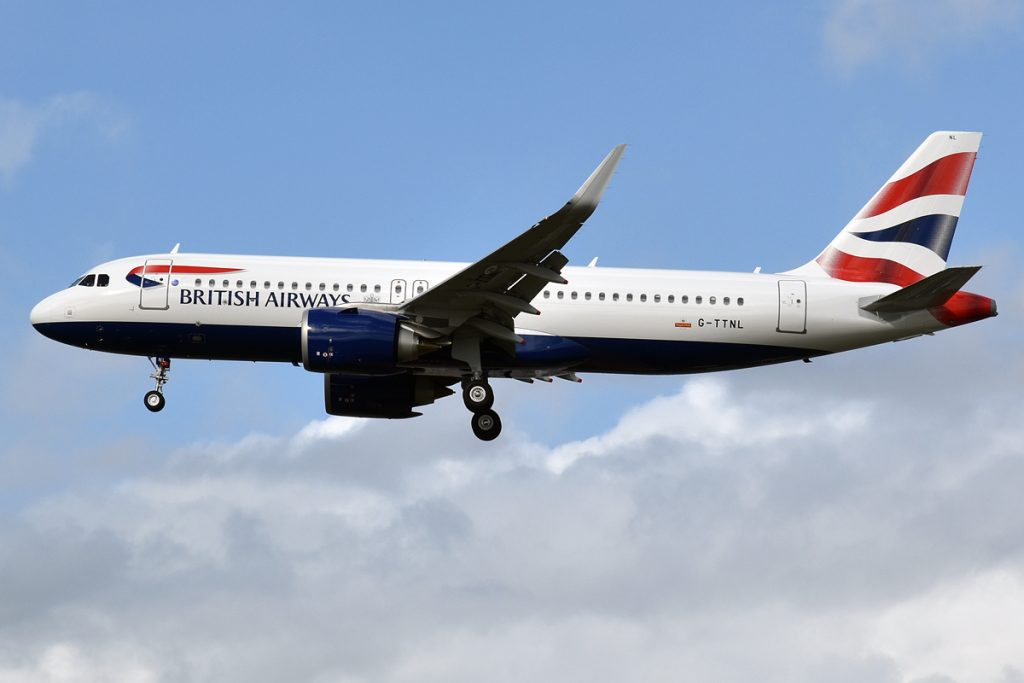
A British Airways Airbus A320 diverted to Manchester on 7 October 2026 after a passenger fell ill, leaving travellers hours from their planned destination.
 By The Aviation Hub
5 min read
By The Aviation Hub
5 min read
A British Airways diversion to Manchester Airport occurred on 7 October 2026, after a passenger required medical attention on board flight BA1301. The aircraft had departed Aberdeen at 10:35am and landed at Manchester just before 11:30am, according to flight tracking data cited by the Mirror.
What Actually Happened on Flight BA1301
The flight was scheduled to arrive at London Heathrow at 12:05pm. Instead, the crew elected to put the aircraft down at Manchester, a decision that added significant disruption for every passenger on board, not just the one receiving care.
British Airways confirmed the diversion in a statement cited by the Mirror: "Our flight diverted to Manchester due to a customer requiring medical attention on board." The airline did not identify the passenger or describe the nature of the medical event, which is standard practice.
Why a Medical Diversion Matters Beyond the Individual
A single passenger falling ill mid-flight is, in one sense, an ordinary operational event. Airlines plan for it. Crews are trained in first aid, and many flights carry defibrillators and basic medical kits as standard.
What the diversion reveals, however, is that the crew judged Manchester to be the right choice over continuing to Heathrow. Aberdeen to Heathrow is a relatively short domestic sector, and the aircraft was already airborne when the decision was made. The fact that Manchester was chosen rather than returning to Aberdeen, or pressing on to Heathrow, suggests the crew assessed that speed of landing mattered. That is a judgement call, and the fact that it was made reflects well on the professionalism involved. No authority has made any finding about the crew's decision, and the reason for that specific routing choice is not stated in the available sources.
The Knock-On Effect for Passengers
For the remaining passengers, the diversion created a gap of several hours. The Mirror reports that British Airways identified two onward options: a BA service from Manchester to Heathrow at 4:05pm, and a later departure at 7:50pm. That means some passengers faced a wait of more than five hours at an airport they had not planned to use.
British Airways said its teams were working to rebook passengers onto the next available flights. The airline apologised for the disruption, though no compensation details were included in the statement.
The British Airways Diversion: A Busy Week Operationally
The Manchester diversion did not occur in isolation. The Mirror also notes that on the Monday prior, passengers on a British Airways Boeing 777 from Heathrow to Chicago were required to use oxygen masks after the aircraft descended approximately 28,000 feet around an hour into the flight. A mid-air emergency was declared. British Airways said the pilot turned the aircraft around due to a "technical issue." That flight burned fuel off the coast of Wales before landing back at Heathrow roughly five hours after departure.
Two significant operational events within days of each other will inevitably draw attention, even if each has a separate and as-yet-unconfirmed explanation. It would be wrong to draw any connection between them: the aircraft types, routes and circumstances are entirely different, and no authority has suggested any link. What both events do illustrate is the breadth of scenarios a major carrier such as British Airways must manage simultaneously.
You can follow both events and any future developments through our Squawk 7700 hub, which tracks live emergencies and maintains an incident archive.
What Is Still Not Known
Several material facts remain absent from the public record. The nature of the passenger's medical condition has not been disclosed, and British Airways has not confirmed whether the individual received further medical care on the ground at Manchester. The identity of the specific aircraft, including its registration, has not been reported in the available sources. It is also unclear whether the passenger was able to continue their journey.
On the wider question of the Boeing 777 event earlier in the week, British Airways' description of a "technical issue" leaves the precise nature of that event undefined. No regulator or investigator has published findings on either occurrence at the time of writing.
What to Watch Next
For readers who want to track British Airways' operational record more broadly, our Airline Search tool allows you to filter by carrier.
The BA1301 diversion is unlikely, on its own, to prompt regulatory scrutiny. Medical diversions are a routine part of airline operations and do not automatically trigger investigation by the Civil Aviation Authority or the Air Accidents Investigation Branch. If either body were to open an inquiry into any related event, that would represent a material development worth monitoring.
British Airways is simultaneously managing a significant product investment cycle. The airline has unveiled redesigned cabins for its Airbus A380 fleet, covering all four cabin classes, according to Airline Geeks, and has announced a major lounge transformation at Heathrow Terminal 5, including a 17-metre bar and a new Concorde lounge, as reported by Future Travel Experience. That investment backdrop means the airline's operational reliability is under a sharper commercial spotlight than usual.
The Bottom Line
The BA1301 diversion to Manchester was handled by the crew in line with standard practice, and British Airways moved quickly to rebook affected passengers. The event is notable primarily because it sits alongside a separate, more dramatic operational episode earlier the same week. Neither event has been explained in full by the airline or any regulator.
We will update our coverage if British Airways or any investigating authority releases further information on either occurrence.
Continue to follow The Aviation Hub for more analysis and insight.
Advertise with us Your brand, in front of an aviation audience Home page and in-article placements, sold directly, one advertiser per slot. From £250 a year. See the rates