
New cabin crew at Britain’s airlines typically earn between £22,000 and £30,000 a year once flight pay and allowances are included. Here is how the cabin crew salary in the UK compares across airlines, why pay is finally rising and what it takes to get hired.
Cabin crew are the most visible people in aviation, but the typical cabin crew salary is one of the least understood parts of the industry. The job is often marketed as a lifestyle, with travel and hotel stays. The salary is more modest.
It is also more complex than most jobs. A large share of what crew take home depends on how much they fly, where they fly and what they sell on board.
How Cabin Crew Pay Works
Cabin crew pay usually has three parts. There is a basic salary, then flight or sector pay for each trip, and then allowances for meals and overnight stays away from base. Short haul crew at airlines such as easyJet also earn commission on onboard sales, according to Aviation A2Z.
That structure makes earnings uneven. A busy summer roster can lift monthly pay well above the basic rate, while a quiet winter can leave crew earning little more than their basic salary.
What the Big Airlines Pay
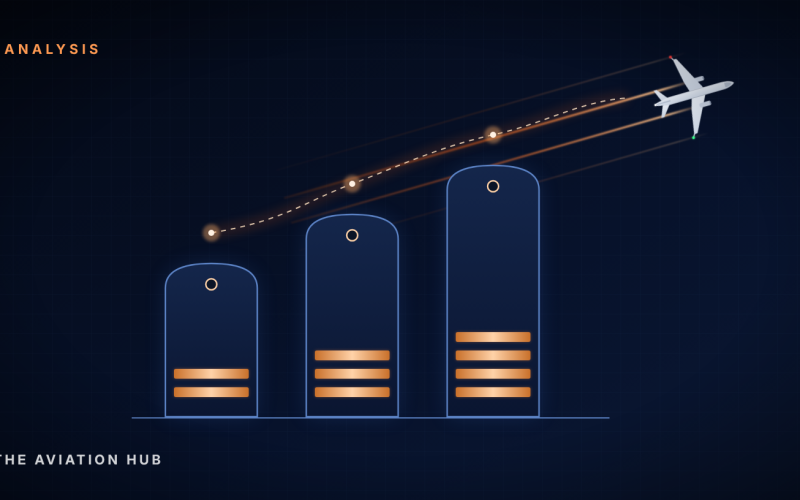
At easyJet, new crew start on around £22,000 a year, and typical total earnings range from £22,000 to £30,000. Cabin managers earn about £3,000 to £3,800 a month, and crew can apply for promotion after 12 months, according to Aviation A2Z.
British Airways pays slightly more. New crew typically earn £24,000 to £28,000 including flight pay and allowances, rising to £30,000 to £38,000 mid career and £40,000 to £50,000 for senior crew such as pursers and customer service managers, according to Aviation A2Z.
Virgin Atlantic sits at the top of the UK range. New crew earn about £25,000 to £30,000, mid career crew £35,000 to £45,000 and cabin service supervisors £50,000 to £65,000, according to Aviation A2Z.
Short Haul Versus Long Haul
The gap between airlines reflects the type of flying. Long haul crew spend more nights away from home, which brings layover allowances and longer duty periods. Short haul crew usually return to base each night but fly several sectors a day.
The lifestyle differs as much as the pay. Long haul crew trade time at home for higher allowances and the chance to visit distant cities. Short haul crew have more predictable routines but less time on the ground between flights.
On standard 2026 tax rates, a crew member earning £25,000 would take home about £21,500 a year before pension contributions. Some allowances are paid tax free, which can lift that figure.
Pay Is Starting to Rise
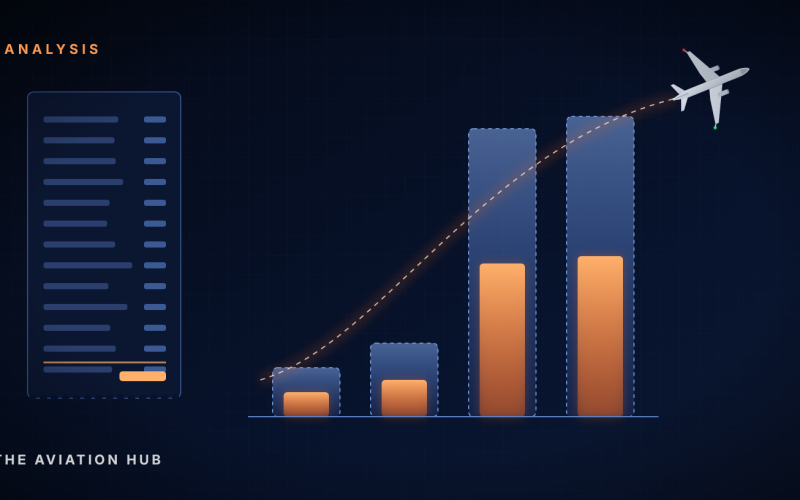
Unions are now winning bigger rises. Loganair cabin crew, represented by Unite, accepted a two year deal in October worth 8% from April 2026 and a further 8% from April 2027, according to AeroCorner. A previous deal had already lifted average basic pay by 23%.
Strikes have played a part. Cabin crew for SAS based at Heathrow won an 8% rise across all grades, two extra days of annual leave and higher overtime pay after walking out over Christmas and New Year, according to Confessions of a Trolley Dolly.
Those rises are well ahead of inflation, which stood at 3.5% in the year to September. The Loganair increase alone is more than double that rate, AeroCorner notes.
Airlines Are Hiring
Demand for crew remains strong. easyJet set out to recruit almost 1,000 new cabin crew for 2026, targeting school leavers and young people, according to Travel Weekly.
Its research found that 92% of young people did not know the job has no minimum educational qualifications. The airline has also opened applications for hundreds of roles for 2027 and wants more applicants over 50, who now make up 12% of its cabin crew, according to easyJet.
What It Takes to Get In
The entry bar is lower than many expect. easyJet asks for applicants aged 18 or over, between 157.5cm and 190cm tall, with at least six months of customer facing experience. Crew must be able to swim 25 metres and live within 90 minutes of their base.
Successful applicants complete a training course of about four weeks before they fly. Crew in the UK must also hold a cabin crew attestation, which confirms they have passed the required safety training.
The Bottom Line
The cabin crew salary in the UK is modest at the start, typically £22,000 to £30,000, but it rises with seniority and is highest on long haul fleets. Senior crew at Virgin Atlantic can earn up to £65,000.
Pay is improving as airlines compete for staff and unions push for real terms rises. For applicants, the job offers a fast route into aviation with no formal qualifications, but the early years require careful budgeting.
Continue to follow The Aviation Hub for more analysis and insight.
Advertise with us Your brand, in front of an aviation audience Home page and in-article placements, sold directly, one advertiser per slot. From £250 a year. See the rates