
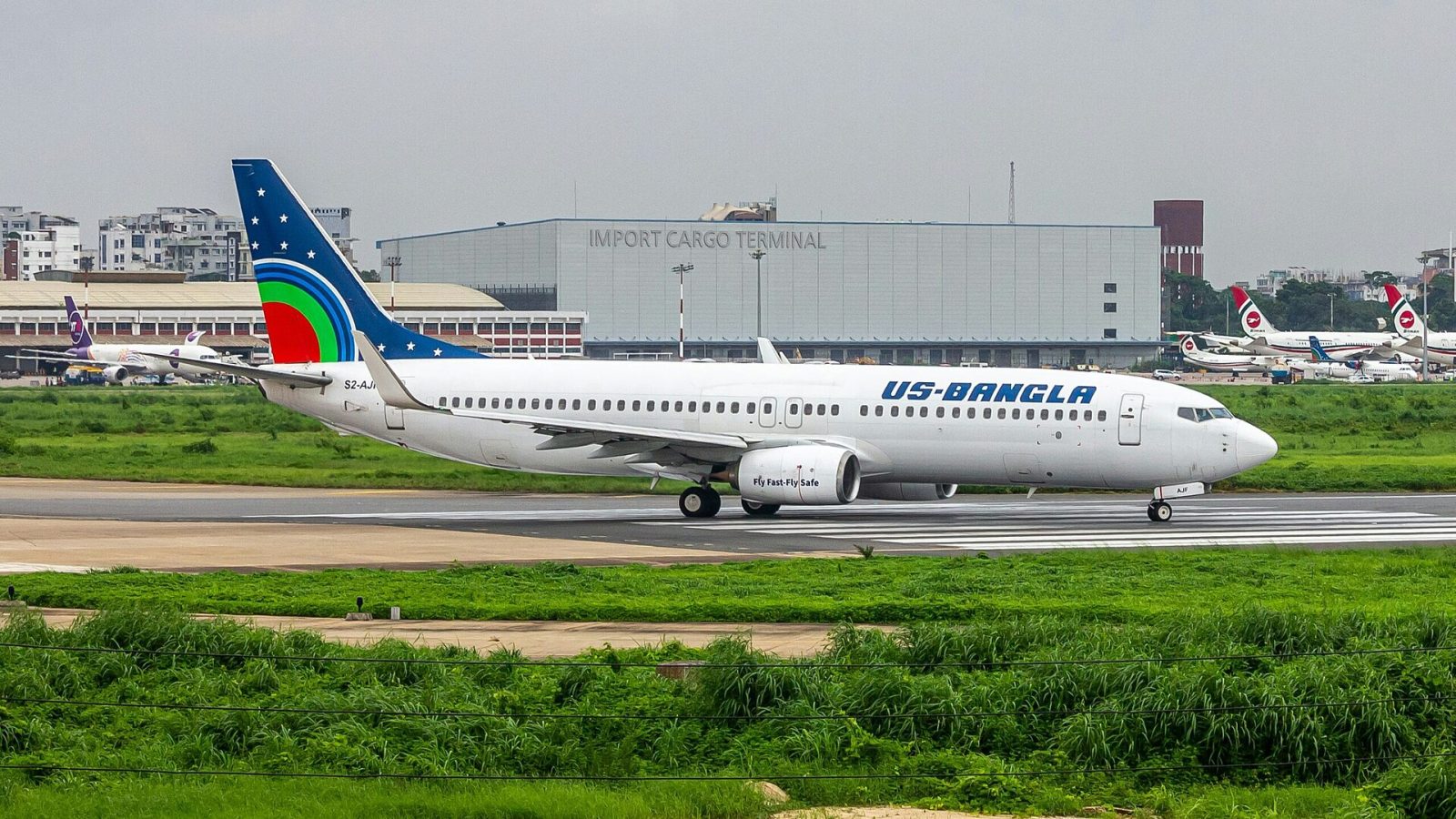
The CDC Ebola declaration requirement takes effect at 23:59 EST on 3 November 2026, applying to every passenger boarding an international flight to the United States, regardless of nationality or point of departure.

The order supplements earlier restrictions already in place for travellers who have recently been in the Democratic Republic of the Congo (DRC). According to Airways Magazine, the CDC issued the requirement after confirming that the overall risk to the American public and travellers remained low, but the scale of the ongoing Ebola outbreak warranted additional documentation.
What the CDC Ebola Declaration Requires
Every passenger on a US-bound international flight must sign a statement confirming they have not been present in the DRC in the 21 days before their flight departs. Paddle Your Own Kanoo reports that the CDC's published statement makes the stakes clear: "Willfully providing false or misleading information may lead to criminal fines and imprisonment."
The declaration must be completed before boarding, not on arrival in the United States. Airlines are responsible for verifying that every passenger has provided a completed, signed attestation before they are permitted to board.
A separate declaration is required for each individual traveller. A parent or other authorised person may sign on behalf of a child under 18, and an authorised representative may act for a passenger who cannot complete it independently, according to Airways Magazine.
Who Is Covered and Who Is Exempt
The requirement covers US citizens, permanent residents and transit passengers connecting through the United States to a third country. It applies to commercial services, general aviation and private aircraft, including departures from airports with US preclearance.
Overflights of the DRC are excluded, but Airways Magazine notes that an airport connection in the DRC counts as presence even if the passenger never leaves the aircraft. The order counts the departure day as Day 0, meaning a passenger may board a US-bound flight on Day 22.
Exemptions exist for operators transporting Ebola patients under US government authorisation and for individuals who receive a CDC exemption on humanitarian or other important government grounds.
How Airlines Must Collect Attestations
Airlines may use paper forms, authenticated digital signatures or electronic checkboxes. The CDC encourages carriers to integrate the declaration into passenger check-in websites or reservation applications, making it part of the standard online check-in workflow.
Crucially, Airways Magazine reports that attestations must not be transmitted through the Advance Passenger Information System. Airlines must retain declarations for at least 42 days and provide them to the US government on request. There is a discrepancy in the published documents: the signed order measures the 42-day retention period from departure, while the technical instructions measure it from arrival.
Paddle Your Own Kanoo notes that the consequences for airlines failing to comply are severe. In May, an Air France flight to Detroit was forced to divert to Canada after it was refused permission to enter US airspace, following concerns that a passenger on board may have been in the DRC within the restricted 21-day window.
The Outbreak Behind the Order
The current outbreak involves the Bundibugyo strain of Ebola. As of 21 October, Paddle Your Own Kanoo reports that there have been 9,735 reported cases since the outbreak began, with 4,690 confirmed deaths. The vast majority of cases have been recorded in the DRC, with smaller clusters in Uganda and Kenya and confirmed cases in Nigeria and France.
In its 22 October outbreak update, the CDC said no cases associated with this outbreak had been reported in the United States. The agency's assessment is that the overall risk to the American public and to travellers remains low.
Existing restrictions already bar travellers, including US citizens, who have been in the DRC within the preceding 21 days from boarding US-bound flights. Paddle Your Own Kanoo also reports that travellers who have been in Uganda or South Sudan within 21 days must enter the United States only through designated airports: Washington Dulles, Atlanta Hartsfield-Jackson and New York JFK, where enhanced health screening is in place.
Airlines Briefed on Compliance
Airways Magazine reports that Reuters confirmed the CDC would brief major US and foreign airlines on 23 October about compliance with the new requirement. The CDC's published instructions set out the collection options but do not quantify any expected effect on boarding times.
The order is scheduled to run until 18 December 2026, unless rescinded or modified before that date. It supplements, rather than replaces, the earlier Ebola orders already in force.
You can track airlines and their routes using the Airline Search tool on The Aviation Hub.
The Bottom Line
The CDC Ebola declaration adds a documentation layer on top of the travel bans already in place, extending the paperwork burden to every international passenger bound for the United States, not just those with a connection to the DRC. Airlines have less than two weeks to integrate the process into their check-in systems before the 3 November deadline.
The order's relatively short window, running to 18 December 2026, suggests the CDC is treating it as a targeted response to the current outbreak trajectory rather than a permanent fixture. With cases now confirmed in France and Nigeria, and major carriers being briefed on compliance, the coming weeks will show how smoothly the industry can absorb the requirement at scale.
Continue to follow The Aviation Hub for more analysis and insight.
Advertise with us Your brand, in front of an aviation audience Home page and in-article placements, sold directly, one advertiser per slot. From £250 a year. See the rates
