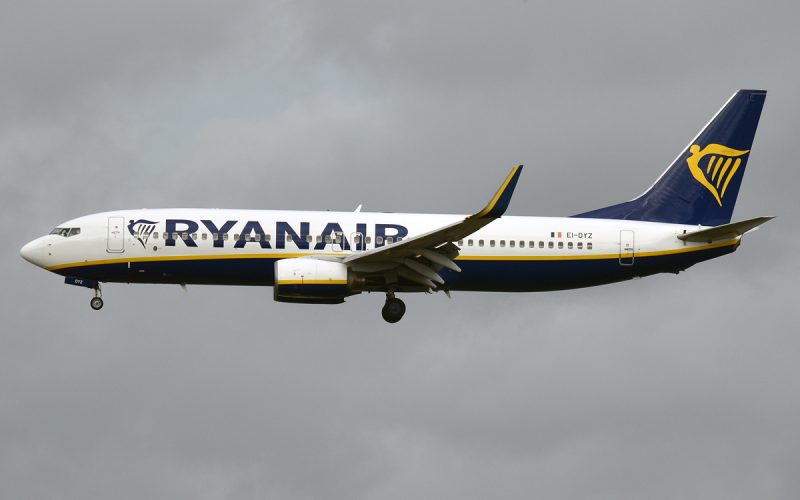
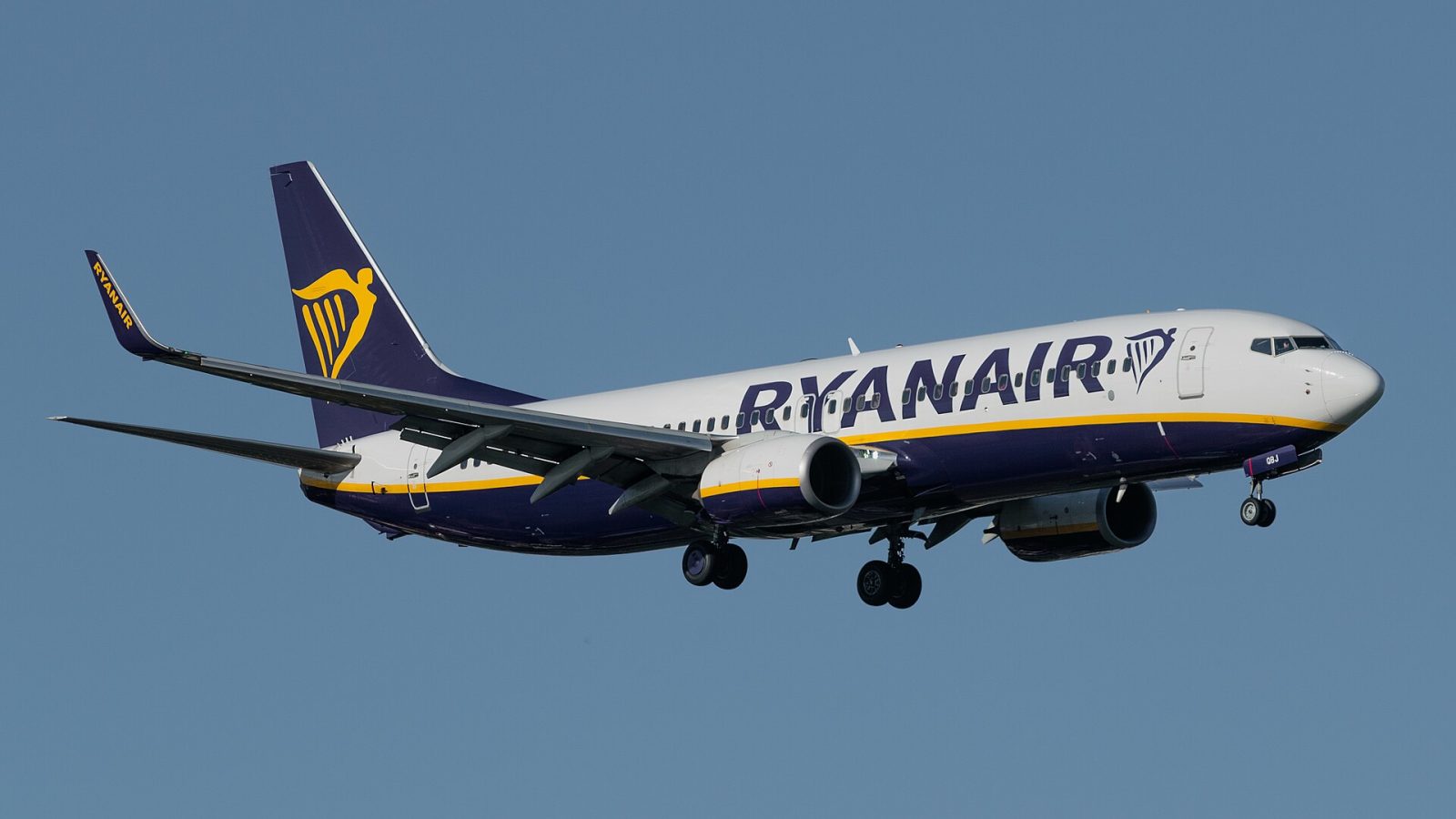
Both EASA and the FAA are moving to mandate visual inspections of CFM56 fan blades, after a Malta Air Boeing 737-800 suffered a blade fracture that released debris forward in an uncontained manner, damaging the aircraft's fuselage and penetrating a passenger window.
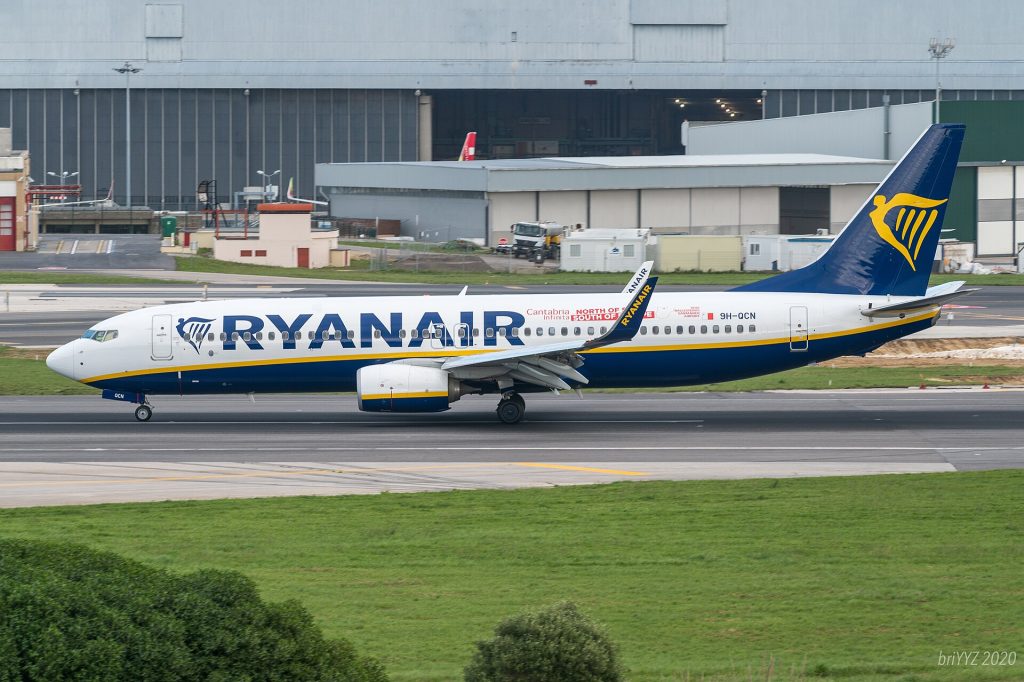
The event has prompted regulators on both sides of the Atlantic to act in close coordination, with an unusually short comment window and a compressed publication timeline reflecting the seriousness with which both authorities are treating the condition.
What Happened on the Malta Air 737-800
According to FlightGlobal, a dovetail blade fracture occurred in July aboard the Malta Air aircraft, which operates under the Ryanair Group. The fracture took place at the dovetail of the CFM56-7B fan blade, and while the engine case initially contained it, debris was subsequently ejected forward in an uncontained manner.
The damage that followed was considerable. The inlet cowl was struck by the blade as it was thrown forward, and FlightGlobal reports that portions of the engine broke away, piercing a passenger window and impacting the fuselage. EASA has cautioned that forward debris release of this kind poses a threat not only to the engine itself but to the broader structure of the aircraft.
Track incidents and emergencies involving commercial aircraft on our Squawk 7700 hub, which carries our live emergency board and incident archive.
What the Directives Require
Under EASA's proposed airworthiness directive, operators would be required to perform a visual inspection of CFM56 fan blades, with a deadline of 90 days or 400 cycles, whichever falls sooner. The specific inspection requirements are set out in a CFM International service bulletin dated 8 September. Where operators have already complied with certain earlier service bulletins or applicable engine shop manual revisions, that compliance would equally satisfy the terms of the proposed directive.
EASA has set 23 November as the closing date for comments on the proposed directive.
The FAA intends to publish its own proposed directive on 27 October. Because this needs to align with EASA's schedule, the FAA has opted for a comment window of 30 days, cutting short the standard period of 45.
What Investigators Believe So Far About the CFM56 Fan Blade
According to the FAA, the manufacturer has not yet concluded its examination of what caused the fan blade to fail. In its own language, the FAA said: "The manufacturer investigation into the root cause of the fan blade failure is ongoing, but preliminary investigation indicates deformation to the fan blades induced a localised vibratory response in the failed blade."
That points to a mechanical interaction between blades as a factor, though no final cause has been established and investigators have not concluded their work.
The Southwest 2018 Context
An earlier in-flight blade separation event is also referenced in the FAA directive; that incident resulted in an emergency descent, loss of pressurisation, fuselage damage and an engine shutdown. The aircraft involved on that prior occasion was a Southwest Airlines Boeing 737-700, and the event took place in April 2018.
The FAA has, however, drawn a clear line between that earlier incident and the condition being addressed now. FlightGlobal reports that the FAA states it has received no factual information linking the Southwest 2018 event to the condition addressed in the new proposed directive. The two events should therefore be treated as separate matters until investigators say otherwise.
Uncontained or partially contained engine failures remain among the higher-risk categories of in-flight incident, as this publication has noted in covering other engine-related emergencies. The structural consequences seen in the Malta Air event, including fuselage penetration, underline why regulators are moving quickly.
The Bottom Line
The speed and coordination of the regulatory response here is notable. EASA and the FAA are publishing near-simultaneous directives, the FAA has compressed its comment period to match EASA's schedule, and the inspection window of 400 cycles or 90 days is relatively tight. That reflects the potential for forward debris release to cause harm beyond the engine itself.
The root cause investigation by CFM International is ongoing, and the directives as proposed may be revised before they are finalised. Readers with an interest in the aircraft types and operators affected can use our Aircraft Search to explore fleet data. We will update our coverage if CFM International, EASA or the FAA release further information on the investigation's findings.
Continue to follow The Aviation Hub for more analysis and insight.
Advertise with us Your brand, in front of an aviation audience Home page and in-article placements, sold directly, one advertiser per slot. From £250 a year. See the rates