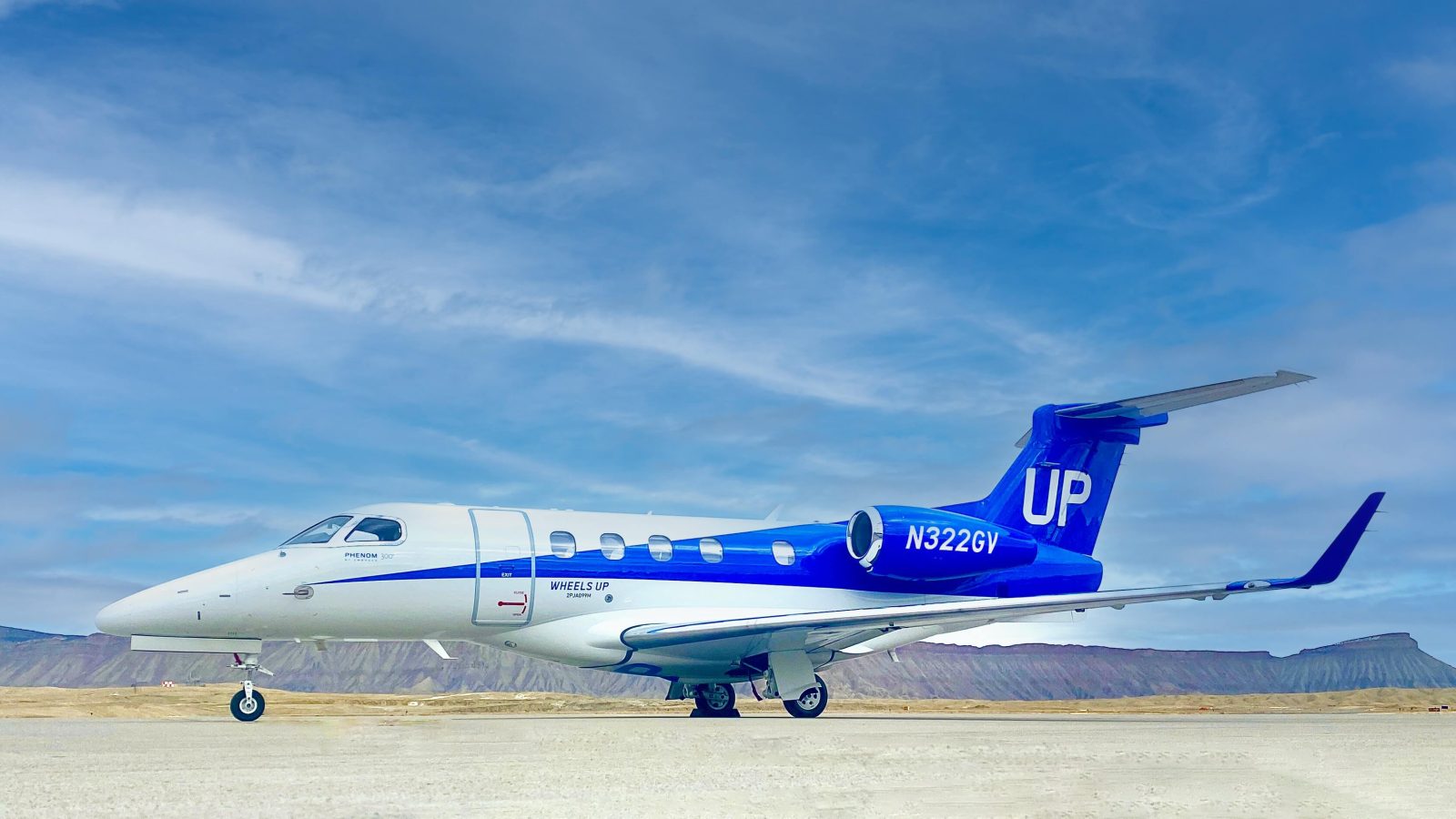
A Wheels Up business jet diverted to Charleston International Airport on Friday after its crew reported striking an alligator on departure.
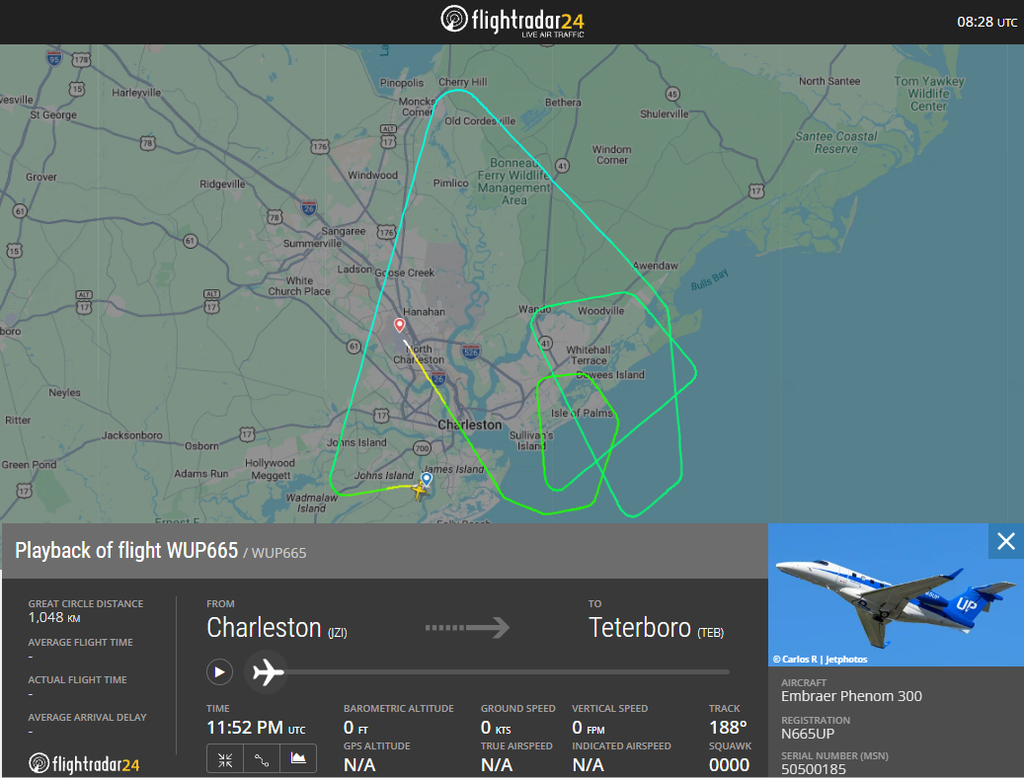
The Embraer Phenom 300, operating as Wheels Up Flight 665, had departed Charleston Executive Airport in South Carolina. It was bound for Teterboro Airport in New Jersey. Instead, the crew turned for nearby Charleston International and landed safely around 8:50 p.m. local time, or 01:50 GMT on Saturday.
What the FAA Said About the Charleston Alligator Strike
The Federal Aviation Administration confirmed the event in a preliminary statement dated Sunday, 8 November. According to the regulator, the crew reported the strike during departure. As a result, the FAA will investigate.
The statement gave no figure for the number of people on board. Similarly, it did not describe any damage to the aircraft. The FAA has instead directed further questions to the operator.
The FAA typically publishes these brief statements within a few days of an event. Its notices cover only the basic facts, so further detail usually comes from the operator or a later report.
The Aircraft Behind Wheels Up Flight 665
The FAA Aircraft Registry identifies the jet involved in the Charleston incident as N665UP, an Embraer EMB-505 Phenom 300 with serial number 50500185. Embraer built the aircraft in 2014, and two Pratt & Whitney Canada PW535E turbofans power it.
Infinity & Beyond LLC of Fort Lauderdale, Florida, holds the registration. The FAA issued the current certificate in December 2025, and it runs until the end of 2032.
Meanwhile, Flightradar24 data shows N665UP routinely flying under the WUP665 call sign. In fact, the jet often completes several sectors in a single day for the operator.
The Phenom 300 sits at the heart of the Wheels Up fleet. Furthermore, the operator committed to six new Phenom 300E jets in its first direct purchase of new aircraft from Embraer.
Why the Crew Chose The International Airport
Charleston International lies only a short hop from the departure airport. It also offers far longer runways and dedicated airport rescue and firefighting crews. In addition, the airfield shares its runways with Joint Base Charleston.
Because of those resources, diverting to a larger airport is a common precaution after a suspected strike. Crews can then land with emergency teams on standby while engineers prepare to inspect the airframe.
Alligators and Wildlife Risk Around Charleston
Birds cause the vast majority of wildlife strikes in the United States. However, the FAA’s wildlife strike records also include mammals and reptiles, as we have seen here in Charleston.
The marshes and tidal creeks of the Lowcountry make alligators a familiar sight around Charleston. Consequently, wildlife control remains a constant task for airports in the region, especially those near open water.
What Happens Next After the Charleston Diversion
The FAA investigation will now examine the strike in Charleston and its effect on N665UP. Any findings on damage and the exact point of the strike should emerge as the work progresses. At the time of writing, we could find no public statement from Wheels Up about the incident.
Follow our Squawk 7700 desk for updates on this event and other emergencies as they unfold.
Continue to follow The Aviation Hub for more analysis and insight.
Advertise with us Your brand, in front of an aviation audience Home page and in-article placements, sold directly, one advertiser per slot. From £250 a year. See the rates