Delta Air Lines Summer 2027 Europe Plan: Cautious or Clever?
 By The Aviation Hub
6 min read
Updated September 30, 2026
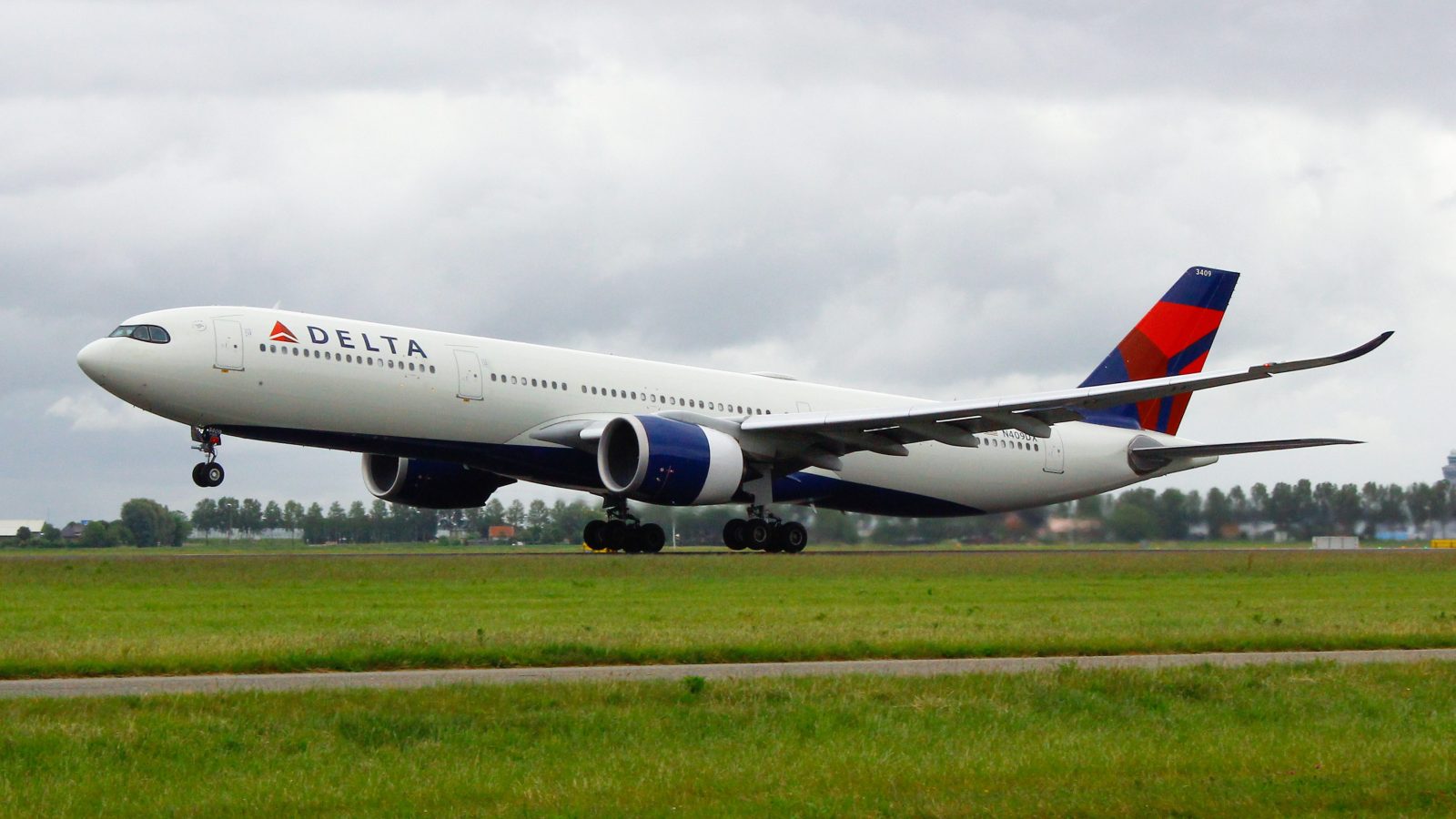
Delta Air Lines has revealed its transatlantic plans for summer 2027, and the headline is restraint.
The airline is adding two new routes, Boston to Venice and Detroit to Athens, alongside a longer season on several existing services.
Next to the bigger expansions from American and United, the announcement has drawn criticism.
One Mile at a Time called it the most disappointing summer expansion from any of the big three US carriers in years, noting that it adds no new destinations.
That verdict is understandable from a traveller’s perspective. From a commercial perspective, the picture is more nuanced.
What Delta Air Lines Is Adding
The first new route links Boston with Venice.
Simple Flying reports that the service will run four times weekly from 7 May to 29 October 2027, using the Airbus A330-300.
The second connects Detroit with Athens.
It will operate three times weekly from 8 June to 28 October 2027 with the smaller Airbus A330-200.
Both routes join the previously announced daily Austin to Paris service, which begins on 27 March 2027.
Delta Air Lines will be the only carrier flying nonstop on each of the two new routes, according to Upgraded Points.
Longer Seasons, More Frequencies
The less glamorous part of the announcement may be the more important.
Aviation Week reports that Boston to Milan Malpensa will increase to daily.
Delta will also start seasonal Minneapolis St Paul to Rome and daily Detroit to Rome services in early March, with Seattle to Rome returning in April.
Services from New York JFK to Catania, Porto, Prague and Copenhagen will resume earlier in 2027, with Copenhagen operating daily.
Thrifty Traveler notes that some of those Rome flights will begin a month or more ahead of their usual schedule.
This is where Delta Air Lines appears to see value.
Extending proven routes into the shoulder season generates revenue with far less risk than opening a new city.
Why Venice and Athens Make Sense
Venice is already well known to Delta.
Traveling For Miles notes that Boston becomes its third US gateway to the city, joining New York JFK and Atlanta.
The airline says Venice will be its 13th long haul summer destination from Boston.
That reflects how seriously Delta has built up Boston as a transatlantic base in competition with JetBlue and the American and British Airways joint business.
Athens follows a similar logic.
Detroit becomes Delta’s fourth US gateway to the Greek capital, after Atlanta, Boston and New York JFK.
Travel Agent Central reports that the Detroit to Athens route connects to more than 40 domestic destinations through the hub.
That matters, because Detroit’s local market alone would struggle to support the service.
The Case for Caution at Delta Air Lines
It is worth asking why Delta Air Lines has chosen restraint.
There are several credible explanations.
The first is fuel.
Jet fuel prices have risen sharply in 2026, making marginal long haul flying more expensive.
Opening new cities carries launch costs and a period of weaker yields while demand builds.
The second is aircraft.
Upgraded Points notes that both new routes use Delta’s older A330-200 and A330-300 fleet.
Widebody deliveries remain constrained across the industry, and an airline can only fly as many routes as it has aircraft for.
The A330 fleet has also been in the news for the wrong reasons recently.
The Aviation Hub covered a Delta Air Lines A330 emergency on a Barcelona to Boston flight on 27 September, a reminder of the operational demands placed on these older jets.
The third explanation is strategic. Delta has long focused on premium revenue and margin rather than market share.
It is often content to let competitors chase new destinations while it maximises revenue on proven routes.
How Rivals Compare to Delta
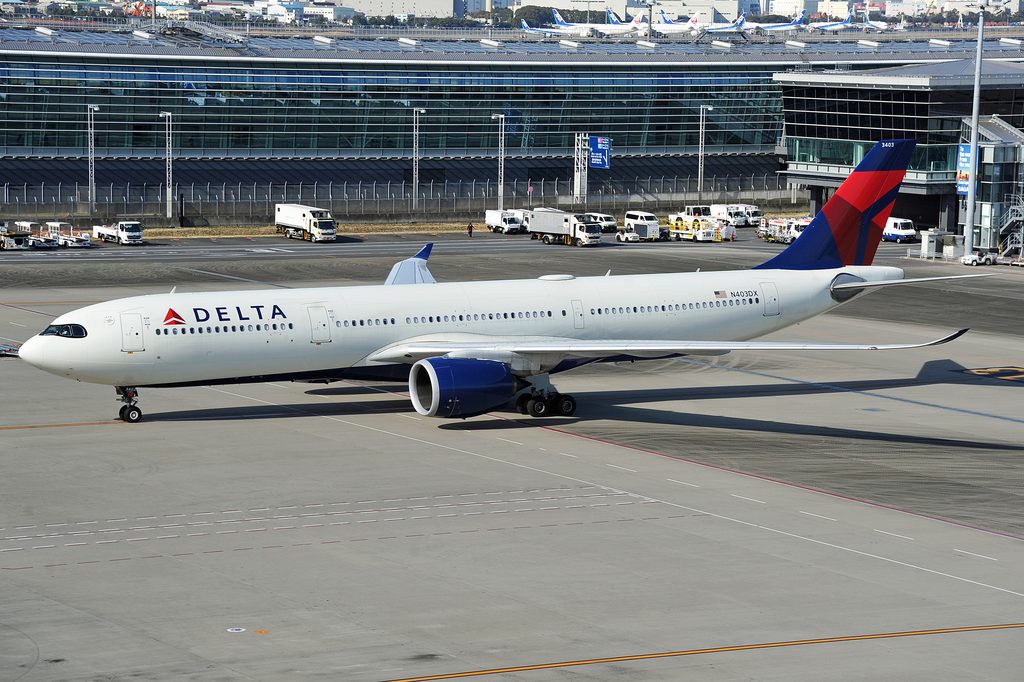
American and United have both announced larger summer 2027 plans, with new destinations across Europe.
One Mile at a Time frames this as Delta falling behind.
However, more destinations do not automatically mean more profit.
Every new city needs sales support, airport staff and marketing, and many new transatlantic routes take two or three seasons to reach maturity.
Delta’s approach instead deepens its presence where it already has brand recognition and operational infrastructure.
Doubling Boston to Milan, for example, adds capacity in a market Delta already understands.
Delta also benefits from its transatlantic joint venture with Air France KLM and Virgin Atlantic.
Partner networks give Delta customers access to many European cities without Delta having to fly there itself.
The Leisure Tilt
Both new routes lean heavily towards leisure.
Venice and Athens are among the most visited cities in Europe, and they peak during the summer.
Travel Binger notes that the additions follow a wider industry trend of adding routes to Italy, Greece, Spain and Portugal.
Premium leisure demand has been one of the strongest segments for US airlines since the pandemic.
Delta has leaned into it with Delta One and Premium Select cabins, both offered on the Boston to Venice A330-300.
The risk is that leisure demand is more sensitive to price and economic conditions than corporate travel.
If consumer spending softens, these routes will feel it first.
What It Means for Boston and Detroit
For Boston, the Venice route continues a steady build up of transatlantic flying.
Upgraded Points notes that Venice brings Delta’s nonstop Europe routes from Boston to 12 for summer 2027, and a third route to Italy alongside Milan and Rome.
That density matters in a city where Delta competes directly with JetBlue and the American and British Airways partnership.
Each additional route strengthens its case with corporate customers and loyalty members who want a single airline for most of their travel.
For Detroit, the Athens route is a statement of support for the hub.
Travel And Tour World notes it will be the first nonstop service between Detroit and Athens, giving Michigan’s large Greek American community a direct link.
Routes like this often rely on diaspora demand alongside leisure travel.
That mix can help fill aircraft across a longer season than pure holiday traffic would support.
Cautious, Clever or Both?
The fairest assessment is that Delta Air Lines has chosen a lower risk path for 2027.
It lacks the headline appeal of brand new cities, but it protects margins in a year of expensive fuel and constrained widebody capacity.
Whether that proves clever depends on how the transatlantic market evolves.
If demand remains strong, rivals with bigger expansions may capture share. If fuel and demand pressures persist, Delta will look well positioned.
For travellers in Boston and Detroit, the new routes offer genuinely useful nonstop options.
For the wider network, Delta has chosen depth over breadth.
Readers can explore Delta’s widebody fleet using our Aircraft Search and Airline Search tools.
Continue to follow The Aviation Hub for more analysis and insight!
Advertise with us Your brand, in front of an aviation audience Home page and in-article placements, sold directly, one advertiser per slot. From £250 a year. See the rates