Delta Pushed Icelandair Out of Detroit, Then Axed the Route Itself
Detroit loses all Iceland service after Delta matched Icelandair's route to force the carrier out, then quietly cancelled its own flights.
 By The Aviation Hub
5 min read
Updated October 23, 2026
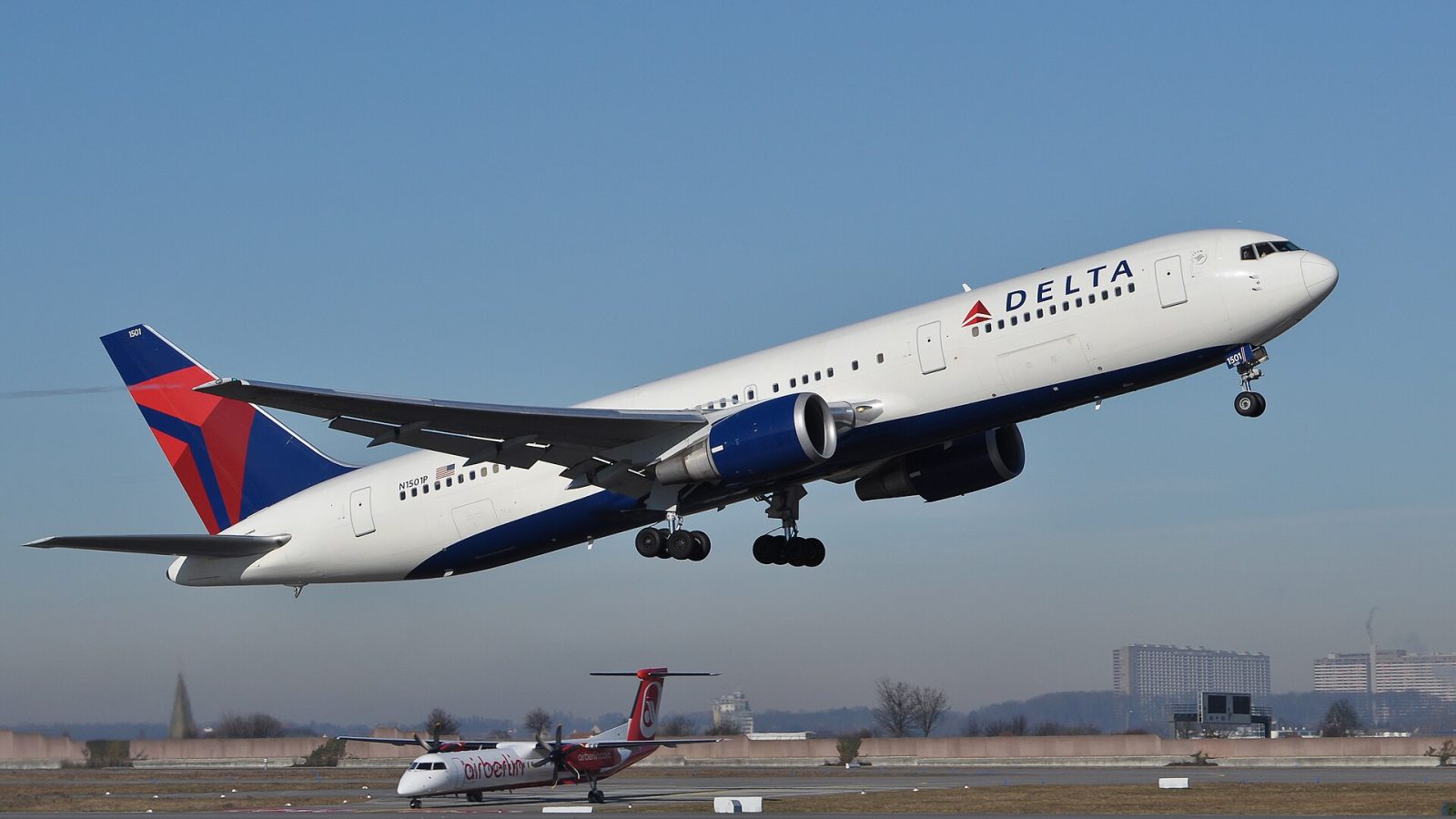
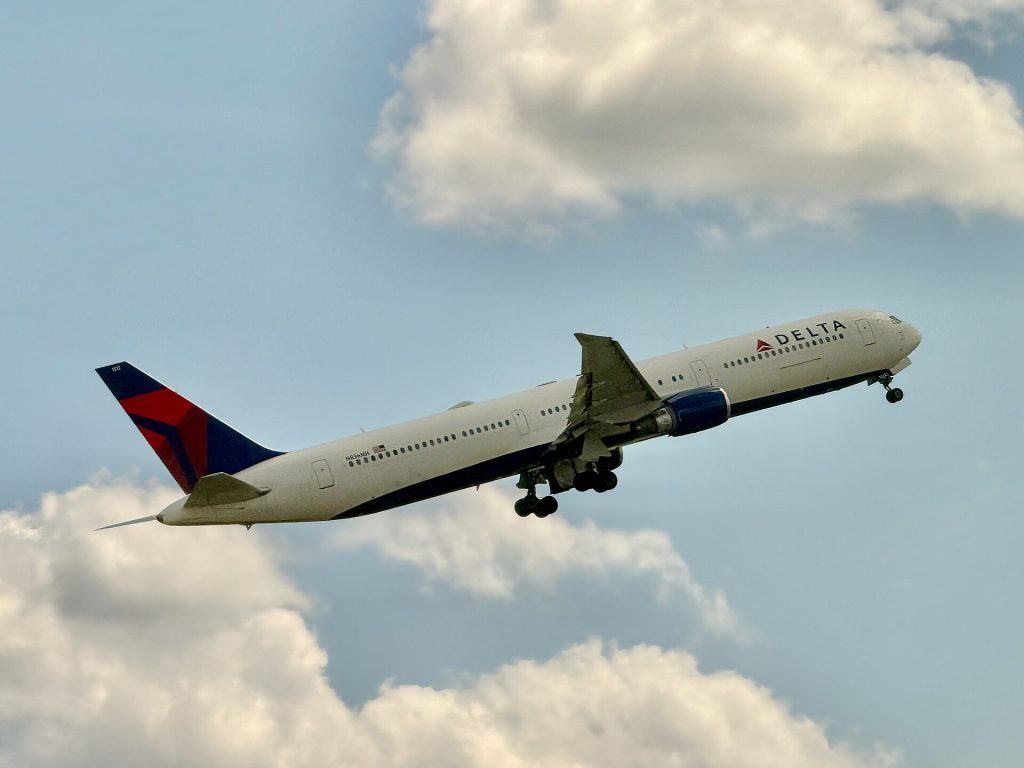
The Delta Detroit Iceland story is a textbook example of how competition between airlines can ultimately leave passengers worse off. Detroit Metropolitan Airport (DTW) has gone from two airlines serving Keflavik (KEF) to none in the space of a few years, as a hub defence played out to its logical and unhappy conclusion.
How Icelandair Started It
Icelandair operates a hub-and-spoke model through Keflavik that allows it to connect passengers on both sides of the Atlantic with a stopover in Iceland. In 2023, according to One Mile at a Time, Icelandair launched flights between Keflavik and Detroit, aiming to undercut the major carriers on price while offering travellers the added appeal of an Icelandic stopover.
Detroit is a fortress hub for Delta, which gives the US carrier considerable pricing power in the market. Icelandair was, in effect, walking into Delta's back yard.
The Delta Detroit Iceland Response Was Immediate
Less than two weeks after Icelandair announced its Detroit service, One Mile at a Time reports that Delta announced it would launch exactly the same route, and would begin service three days earlier than Icelandair. The timing was not a coincidence. It was a direct competitive response designed to ensure Icelandair could not establish itself unchallenged at a Delta hub.
This is a pattern that has appeared before. View from the Wing notes that when Icelandair and Wow Air announced service between Dallas-Fort Worth and Reykjavik, American Airlines launched its own Dallas to Reykjavik route. Three airlines ended up on the same route in 2018. American's then-CEO Doug Parker was recorded at an employee meeting making the strategy explicit: "Somebody starts flying a flight from Dallas to anywhere and American either is already there or we're gonna be there. Because we're not going to let customers have another option other than American in and out of here."
Icelandair Couldn't Make the Numbers Work
With two airlines on the route, the economics became difficult. In early 2026, One Mile at a Time reports, Icelandair fully ended its Detroit service, having been unable to make the route financially viable against a competitor that had every incentive to hold firm at its own hub.
As View from the Wing points out, Icelandair was not only competing for Detroit to Iceland passengers. It was also offering Detroit travellers connections throughout Europe, providing an alternative to Delta across a wide range of destinations. That made it a broader competitive threat, not simply a rival on one route.
Delta Then Pulled the Route Too
With Icelandair gone, Detroit passengers at least had one remaining option to Iceland. That did not last. One Mile at a Time reports that Delta has since quietly dropped the Detroit to Keflavik route, choosing instead to operate Iceland service out of Boston (BOS). Detroit is now left with no flights to Iceland at all.
View from the Wing describes Delta's approach as "strategic flying": adding a flight not because it was profitable, but to deny a competitor an unchallenged foothold. Once the competitor was gone, there was no longer a reason to keep operating the service. The same pattern played out with American in Dallas. Three airlines flew the Dallas to Reykjavik route. American pulled its service to Philadelphia once Icelandair and Wow Air had departed.
The Wider Anti-Competitive Effect
The consequences extend beyond the passengers who now have no direct Iceland option from Detroit. View from the Wing argues that the message reaches any airline thinking about entering a dominant carrier's hub market in future. An airline considering Detroit already knows that Delta will respond, and may choose not to attempt entry at all. That outcome drives up fares and limits choice without Delta needing to lift a finger.
It is worth noting that the Detroit to Keflavik route may not have been commercially robust in any case. As View from the Wing observes, even a single airline on the route might have struggled to make it work. Detroit passengers already had connections to Europe through Chicago, Newark, Washington Dulles and Frankfurt, among others.
Could Minneapolis to Dublin Follow the Same Path?
One Mile at a Time raises the question of whether Delta's Minneapolis (MSP) to Dublin (DUB) route could follow a similar trajectory. Aer Lingus added service on that route in 2024, and Delta immediately matched. Aer Lingus is ending its Minneapolis service with the close of the 2026 season. Whether Delta continues to fly the route beyond 2027 is an open question. The Detroit precedent is not encouraging.
You can explore Delta's wider network and route history using our Airline Search tool.
The Bottom Line
Detroit went from zero Iceland flights to two, and then back to zero, over a period of just a few years. As One Mile at a Time concludes, competition here produced the opposite of the outcome it is supposed to deliver. Passengers briefly benefited from having two carriers on the route, only to end up with fewer options than they started with.
Delta was not acting against its own interests. Hub defence is a rational commercial strategy, and the airline was protecting its pricing power at one of its most important bases. But the result for Detroit travellers is unambiguously worse than if Icelandair had simply been left to operate its route unchallenged.
Continue to follow The Aviation Hub for more analysis and insight.
Advertise with us Your brand, in front of an aviation audience Home page and in-article placements, sold directly, one advertiser per slot. From £250 a year. See the rates