Most travellers assume their policy will pay out when a flight is cancelled. Often it will not, because the airline is meant to pay first and many disruptions are excluded. So does travel insurance cover flight cancellations? Here is how it really works, and the gaps that catch people out.
Travel insurance is one of the most bought and least read products in Britain. Insurers paid £472m on more than 500,000 travel claims in 2024, according to ABI figures reported by Insurance Business.
Most of that money is not for flights. Medical expenses made up 34% of claims and £262m of payouts in 2024. When travellers turn to their policy because a flight has gone wrong, many discover it was never designed for that.
Why the Airline Pays First
The starting point is the airline, not the insurer. If an airline cancels your flight, UK rules require it to offer a refund or an alternative flight, and to provide food, drink and accommodation while you wait, according to the Civil Aviation Authority.
Insurers know this. Many policies only pay for losses you cannot recover elsewhere, according to ClearScore. A refunded ticket is not a loss, so there is nothing to claim.
Insurance becomes useful for the costs the airline does not cover. A cancelled flight can mean a lost hotel night at your destination, a missed connection on a separate ticket or a car hire booking you cannot use.
What Travel Disruption Claims Look Like
Flight problems are a meaningful share of claims. In 2025, cancellation accounted for 16% of claims handled by Multitrip.com, travel delay for 9% and curtailment, when a trip is cut short, for 4%, according to Insurance Business. Medical claims made up 43%.
Delay cover is usually modest. Many policies pay a fixed amount once a delay passes a set number of hours, rather than reimbursing every cost. Some also pay out if you abandon the trip after a very long delay. The policy wording sets the limits, and they vary widely.
The Known Event Trap
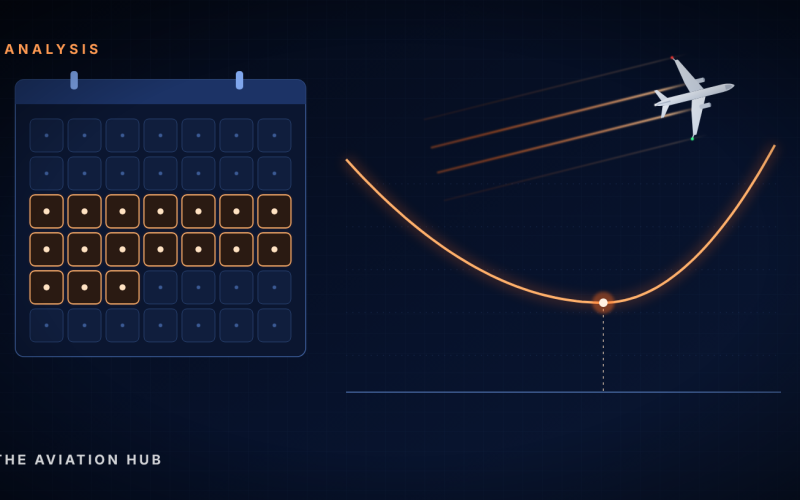
The biggest gap is timing. Once an event is public, it is no longer insurable. If you buy a policy after a strike has been announced or a conflict has begun, claims relating to it are not covered.
Post Office travel insurance spelled this out after this year’s Middle East conflict. Its guidance says “claims relating to known events are not covered” for policies bought after the conflict began, according to its customer information.
That is why the standard advice is to buy travel insurance as soon as you book. Cancellation cover then protects you from events that happen in the months before you travel.
War and Airspace Closures
Conflict is often excluded entirely. The same Post Office guidance says its policies exclude claims arising directly or indirectly from war or hostilities, including airspace closures, airport closures and flight cancellations, delays or rerouting caused by conflict.
Feeling unsafe is not enough either. Choosing not to travel because you are worried, which insurers call disinclination to travel, is not covered. If the Foreign, Commonwealth and Development Office advises against travel to your destination, claims relating to the reason for that advice are excluded.
When the Airline Goes Bust
Airline failure is a separate risk, and standard policies often leave it out. Scheduled airline failure insurance, known as SAFI, is not standard on UK travel insurance, and a more expensive policy does not guarantee it, according to ClearScore. End supplier failure cover, which protects separately booked flights and hotels, is offered by only a limited number of insurers.
Other protection may be stronger. A package holiday booked with an ATOL holder is protected if the company fails. A flight costing more than £100 paid for with a credit card is covered by Section 75 of the Consumer Credit Act up to £30,000, making the card provider jointly liable. Debit card users may be able to use chargeback, although that is a card scheme rule rather than a legal right.
How to Choose the Right Cover
Read the summary document, known as the IPID, and the policy wording before you buy. Check the cancellation limit, the delay benefit, missed departure cover and whether airline failure is included.
Match the cover to the trip. A long haul holiday with several connections on separate tickets needs stronger disruption cover than a short city break. If you travel often, an annual multi trip policy is usually cheaper than buying single trip cover each time.
The Bottom Line
Travel insurance is essential, mostly because of medical costs abroad. For flight cancellations, it is a backstop rather than the first line of defence. The airline pays first, and the policy covers what the airline does not.
The gaps are predictable. Buy cover when you book, pay with a credit card, check for airline failure cover and assume that war, known strikes and nervousness will not be covered. That way, the policy you rely on in a crisis is the one you actually have.
Continue to follow The Aviation Hub for more analysis and insight.
Advertise with us Your brand, in front of an aviation audience Home page and in-article placements, sold directly, one advertiser per slot. From £250 a year. See the rates