
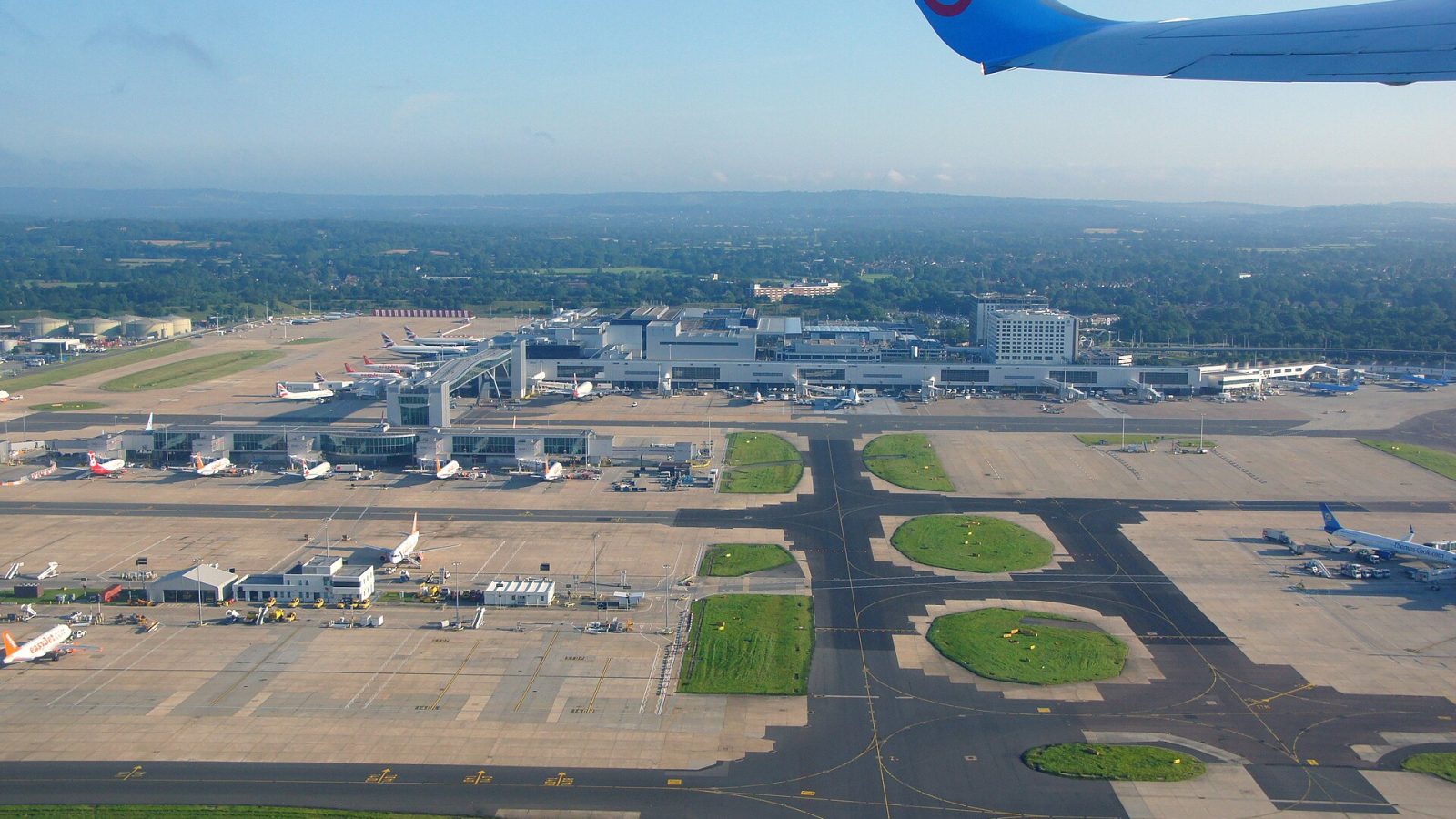
Drone disruption at UK airports is no longer an occasional headline: it is a recurring operational reality, and a single Friday evening at Jersey Airport makes the point sharply. As the Jersey Evening Post first reported, the first drone sighting near the airport was logged at around 8.20pm, with activity continuing until approximately 10.30pm, and the incident was serious enough that three inbound aircraft had to be diverted, according to the Jersey Evening Post.


States of Jersey Police did not minimise the scale of the problem. "We should not underestimate the impact that this had on travelling passengers, staff at the airport and the wider community," the force said, in words reported by the Jersey Evening Post. Three diversions in a single evening, at an island airport with limited alternates, illustrates exactly why the drone question matters beyond the headline numbers.
You can track airline operations affected by incidents like this using our Airline Search tool.
Why Smaller Airports Bear a Disproportionate Risk from Drone Disruption
Larger UK hubs have begun investing in detection and counter-drone technology, but smaller regional airports operate with tighter budgets and less redundancy in their response frameworks. Jersey's geography compounds the problem: diverted aircraft cannot simply hold overhead for long periods, and the alternatives are fewer than at a mainland hub. When drone activity runs for more than two hours, as it apparently did on this occasion, the cumulative pressure on operations is considerable.
This is not an isolated pattern. Airports across the UK have faced airspace incursions from unmanned systems, and the regulatory architecture designed to prevent them is still catching up with the technology. The events at Jersey sit within that wider story.
What the CAA's Airspace Plans Say
A vision for routine drone operations at scale has now been set out by the UK Civil Aviation Authority, which has released its Airspace Architecture Concept of Operations. The document sits within the CAA's Future of Flight programme and its Airspace Modernisation Strategy, and its central ambition is a framework in which drones can operate routinely and safely alongside manned aviation.
The gap between that ambition and present reality is, however, considerable. As the CAA's own published material makes clear, many beyond visual line of sight (BVLOS) drone operations are still dependent on bespoke approvals and dedicated airspace arrangements. The infrastructure needed to integrate drones safely into busy or complex airspace, including the detection and identification systems that would make enforcement practical, is not yet in place at scale.
The Jamming Dimension
A second and related threat runs alongside drone incursions: radiofrequency jamming. Following what the CAA describes as a dramatic increase in RF jamming by military and law enforcement agencies, the regulator issued guidance to airspace users, as reported by sUAS News drawing on the CAA's own guidance.
According to the CAA, RF jamming is capable of disrupting GNSS systems including GPS, GLONASS and Galileo networks. ISM bands are affected by the same jamming, which can disable Wi-Fi, Bluetooth, electronic conspicuity devices and drone video feeds. For both drone operators and manned aircraft crews, the practical result is a loss of positioning and situational awareness that neither group may be prepared for.
GPS receivers up to 100 nautical miles away and at altitudes up to 40,000 feet have historically been affected by large-scale military trials, according to the CAA's guidance as reported by sUAS News. Among the named exercises are trials at Sennybridge Training Area in Wales and Exercise Enduring Look at RAF Spadeadam. Planned jamming events are announced via NOTAMs and Aeronautical Information Circulars, and the CAA directs operators to be prepared to use alternative navigation such as dead reckoning, warning them against sole reliance on GNSS during known jamming trials.
Three tiers of jamming impact zone are outlined in the CAA's guidance: Green, where interference is unlikely; Amber, where interference is possible; and Red, where interference is probable. That the regulator has felt it necessary to construct such a classification reflects how seriously it now treats the threat, while also underlining how much more complex the operating environment has become for everyone from commercial pilots to recreational drone fliers.
What This Means for Passengers and the Industry
For passengers, the immediate consequence of a drone sighting near a runway is a diversion, and diversions at island airports carry real costs: extended journeys, missed connections and disruption to onward travel with fewer ground transport alternatives than a mainland destination offers. The States of Jersey Police appeal for public information underlines how difficult it remains to identify those responsible. "A small piece of information, footage or an observation may help officers establish where the drones were being operated from and identify those responsible," the force said, as reported by the Jersey Evening Post.
For airports and airlines, the cost is operational and reputational. Unlike weather disruptions, which we have covered extensively in contexts such as Storm Austen and the cancellations and diversions that swept Western Europe, drone disruption is human-caused and potentially preventable. That distinction matters when passengers and carriers ask who bears responsibility.
For the wider industry, the picture is one of a detection and enforcement gap that the regulatory framework is working to close but has not yet closed. Smaller airports, without the resources of a major hub, are likely to remain more exposed until that work matures.
What to Watch Next
Direction of travel is established by the CAA's Future of Flight programme and its Airspace Modernisation Strategy. What remains open is the question of pace and resource. Can detection technology reach regional airports quickly enough? When will BVLOS operations move away from bespoke approvals towards a standardised framework? And as both military jamming exercises and civilian drone operations grow in scale, how will the interaction between the two be managed?
States of Jersey Police have asked anyone with information to come forward, however minor it may seem. The investigation is ongoing, and any update from the authorities will be reflected in our coverage. You can follow developing airspace incidents and emergencies through our Squawk 7700 hub. We will update this analysis if the States of Jersey Police or the CAA release further information about the Jersey incidents.
This article draws on information from UK Civil Aviation Authority and sUAS News (reporting CAA guidance) and reporting by Jersey Evening Post.
Continue to follow The Aviation Hub for more analysis and insight.
Advertise with us Your brand, in front of an aviation audience Home page and in-article placements, sold directly, one advertiser per slot. From £250 a year. See the rates