
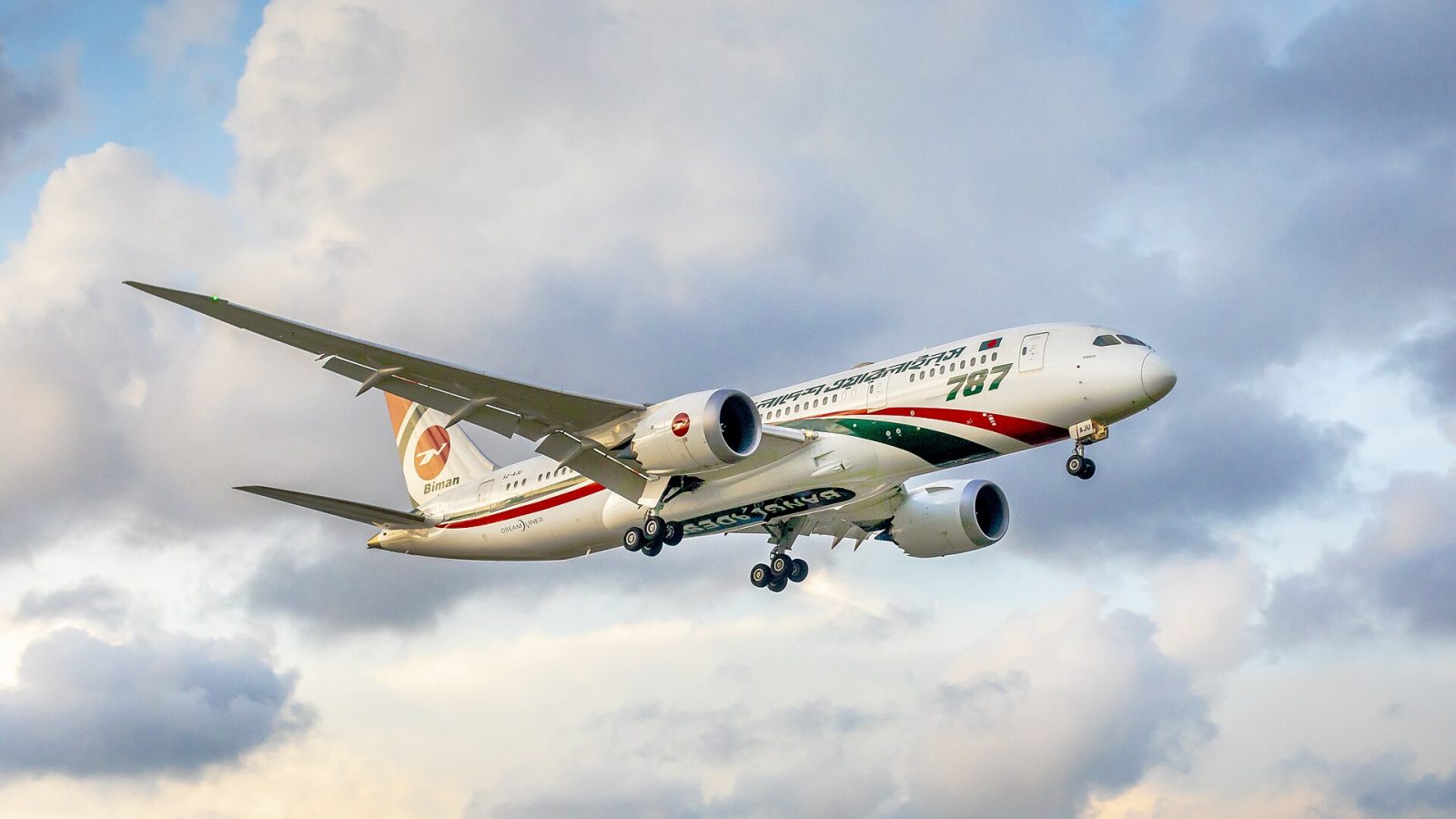
Not all economy cabins are created equal, and a new ranking of economy legroom across 20 major international airlines makes that gap very clear. According to Aerospace Global News, seat pitch in standard long-haul economy ranges from a generous 34 inches down to around 30 inches, depending on the carrier and the aircraft.
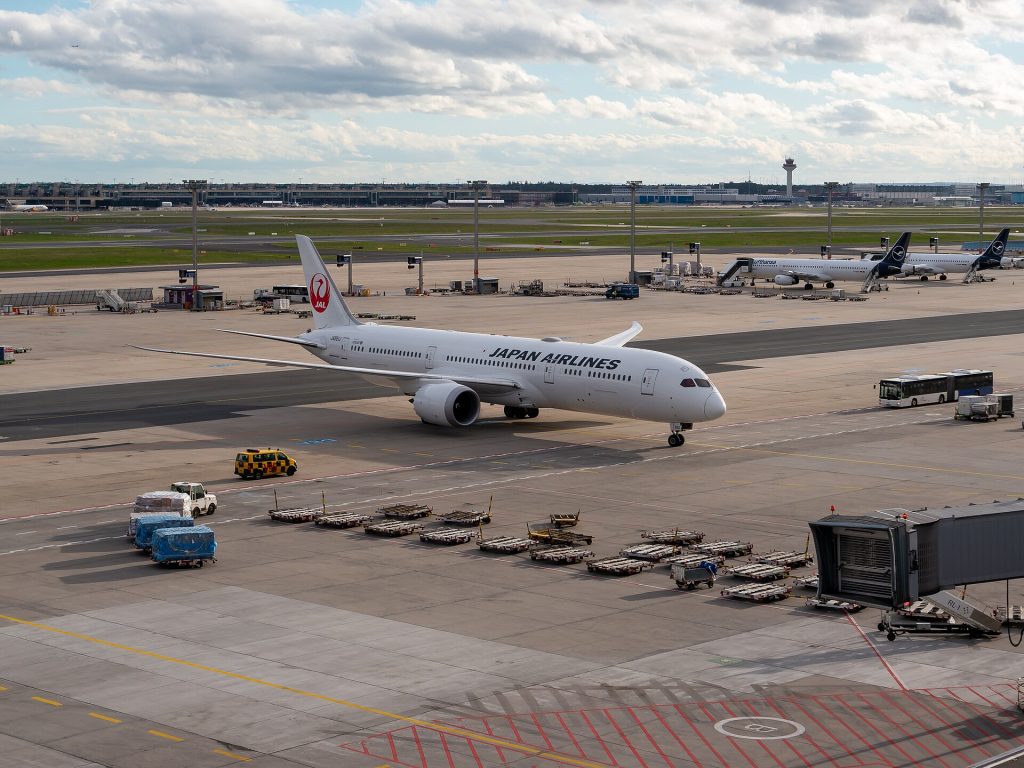
For passengers on overnight long-haul flights, those few extra inches carry real weight. The ranking compares maximum reported standard economy seat pitch on selected long-haul aircraft, excluding extra-legroom and premium economy seats, using airline specifications and AeroLOPA seat maps, with figures updated to October 2026.
Japan Airlines and ANA Lead on Economy Legroom
Japan Airlines (JAL) and All Nippon Airways (ANA) share the top position, each offering up to 34 inches (86 cm) of seat pitch on selected aircraft, according to Aerospace Global News.
JAL's SKY WIDER economy seats are installed on selected international Boeing 787, Boeing 777 and Boeing 767 aircraft. The airline has also introduced new economy seating on its Airbus A350-1000. JAL publishes an international economy seat guide that distinguishes between aircraft types and seating products, so passengers should confirm which aircraft operates their specific flight.
ANA's 34-inch seat pitch applies to selected Boeing 787-9 aircraft in a 206-seat configuration. The airline says its redesigned slimline seats achieve that spacing while preserving knee clearance through reduced seatback thickness, rather than by adding cabin space. As with JAL, the maximum pitch does not apply across the entire fleet.
Korean Air, Emirates and Singapore Airlines
Korean Air offers approximately 33 inches (84 cm) of economy seat pitch on selected long-haul aircraft, according to Aerospace Global News. That figure sits comfortably above the 30 to 31 inches commonly found on more densely configured carriers.
Emirates economy cabins on the Airbus A380 offer 32 inches (81 cm) of pitch. The airline operates several cabin configurations, so passengers should check the seat map for the specific aircraft assigned to their flight before booking.
Singapore Airlines also provides approximately 32 inches (81 cm) on most long-haul aircraft, with a minimum of 79 cm guaranteed. We recently looked at Singapore Airlines' KrisWorld inflight entertainment overhaul, which signals the carrier's broader push to improve the passenger experience across all cabins.
Cathay Pacific, Qantas and JetBlue
Cathay Pacific offers 32 inches of economy pitch on selected Airbus A350 and Boeing 777 aircraft, according to Aerospace Global News. Available space depends on the installed seating product, which can differ between aircraft of the same type.
Qantas sits at approximately 31 to 32 inches across selected long-haul aircraft, including its Boeing 787-9 Dreamliners and Airbus A380s. Seat pitch can vary by row, so checking the individual seat map at the time of booking is advisable.
Among US carriers, JetBlue stands out. Its standard economy product, branded Core, offers 32 inches of pitch on many aircraft, which is notably generous for a carrier whose network includes domestic routes. The airline also sells EvenMore seats with additional legroom for an extra fee.
Why Seat Pitch Does Not Tell the Whole Story
Seat pitch measures the distance between a fixed point on one seat and the same point on the seat directly ahead. It is a useful starting point for comparing cabins, but it does not directly measure the knee clearance available to a passenger, as Aerospace Global News notes.
Seatback thickness, cushion depth, recline angle and the position of the literature pocket all affect how spacious a seat actually feels. Two economy seats with identical pitch can feel noticeably different because of their construction. Slimline seats can improve knee clearance by reducing seatback bulk, while older or bulkier designs may reduce usable space even at the same quoted pitch.
Seat width matters too, particularly on longer flights. A cabin with 32 inches of pitch and wider seats may feel more comfortable in practice than one with 34 inches but narrower seating. Passengers should also consider armrest position and the amount of under-seat storage.
How to Find the Best Seat Before You Book
The most reliable approach is to check the actual cabin configuration before purchasing a ticket. Independent seat mapping tools allow travellers to identify which version of an aircraft typically operates a given route, and to compare individual rows for window alignment, proximity to lavatories and other factors.
AeroLOPA offers a flight number search that identifies the cabin layout of the aircraft assigned to a specific departure, which makes it easier to choose a row with confidence. Airline seat specification pages provide the headline figures, but the seat map fills in the detail.
You can also use our Airline Search tool to find more information on the carriers featured in this ranking and compare their products in one place.
The Bottom Line
Japan Airlines and ANA set the benchmark for economy legroom among major international carriers, with 34 inches of seat pitch on selected long-haul aircraft. Korean Air follows at 33 inches, while Emirates, Singapore Airlines, Cathay Pacific, Qantas and JetBlue cluster around 32 inches. The gap between the best and the worst in economy is meaningful, particularly for passengers spending ten or more hours in the air.
The key caveat throughout is that these figures apply to selected aircraft and configurations, not entire fleets. Checking the aircraft type and seat map assigned to a specific flight remains the single most effective step a traveller can take before booking.
Continue to follow The Aviation Hub for more analysis and insight.
Advertise with us Your brand, in front of an aviation audience Home page and in-article placements, sold directly, one advertiser per slot. From £250 a year. See the rates


