EgyptAir Pilot’s El Al Video: What the Incident Reveals About Aviation Security
An EgyptAir pilot posted footage of an El Al aircraft alongside a violent Sadat recording on October 7, raising fresh questions about airline social-media oversight.
 By The Aviation Hub
6 min read
By The Aviation Hub
6 min read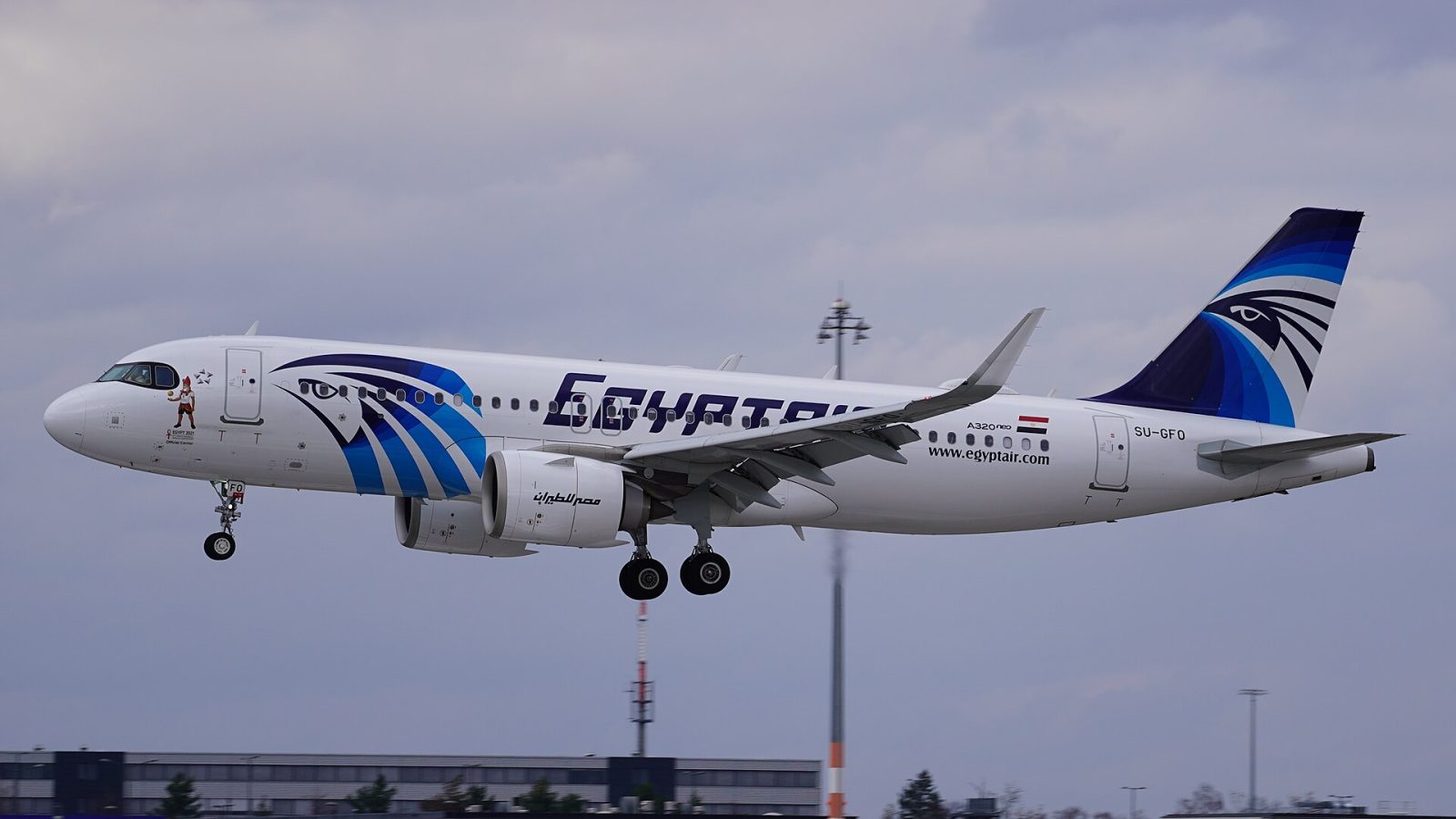
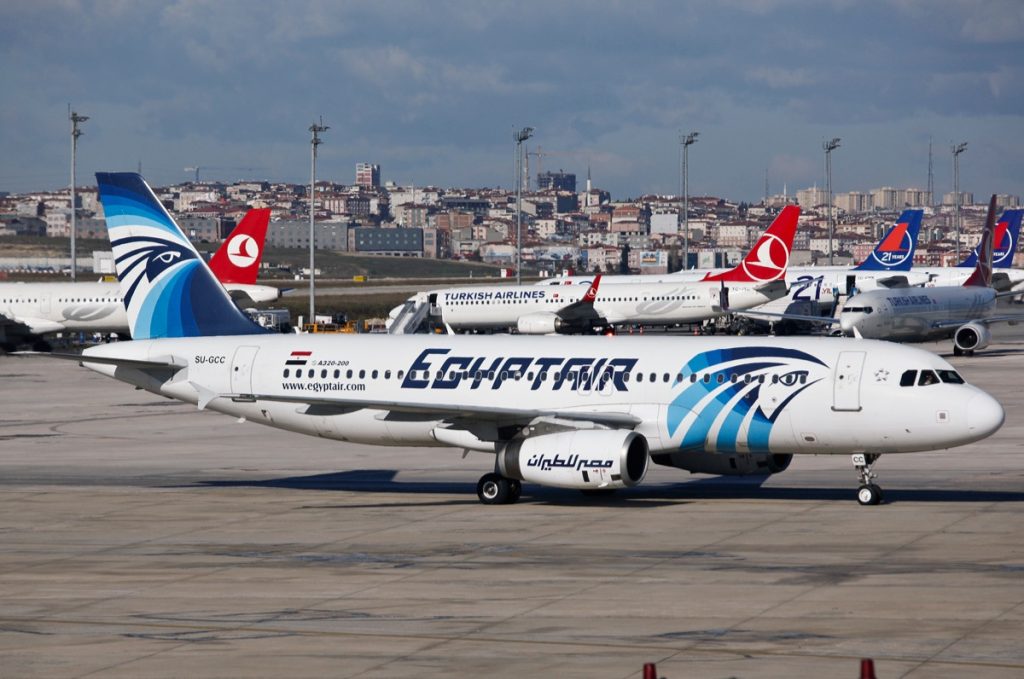
An EgyptAir pilot posted a video of an El Al aircraft to Instagram on October 7, 2026, pairing the footage with an audio recording of former Egyptian president Anwar Sadat declaring, "An eye for an eye, a tooth for a tooth, and violence for violence." The post emerged less than two weeks after a serious cockpit incident aboard a flydubai flight to Tel Aviv, and it has drawn pointed scrutiny from aviation observers and Israeli media.
Why the Timing Matters
The date is the first thing analysts have seized upon. October 7 is the third anniversary of the Hamas-led attacks on Israel in 2023. As Aviation A2Z notes, October 6 also marks the start of Egypt's 1973 war with Israel, a conflict Sadat himself led before later signing the 1979 Egypt-Israel peace treaty. That dual significance makes the date ambiguous in isolation, but the combination of the date, the audio and the choice of subject matter, an El Al aircraft, is what has generated concern.
View from the Wing reported that Israeli military correspondent Itay Blumental identified the pilot as Osama Mansour, whose Instagram account is listed as @osapilot. The post's caption tagged EgyptAir and stated that the footage was filmed at an airport in Italy, though Aviation A2Z reports that the specific airport has not been established. Text overlaid on the video translated roughly as "A surprise entrance disrupts the course of events," accompanied by a smiling face emoji, an Egyptian flag and a flexed biceps emoji.
What the Facts Do and Do Not Establish
It is important to state clearly what the available sourcing does and does not show. Aviation A2Z is explicit that the available account of the post does not establish whether Mansour intended the recording as a political statement, a historical reference, or a direct expression of hostility towards the Israeli airline. The Sadat audio is a historical clip, and its appearance in the post does not on its own confirm the poster's intent.
What is established is that the post exists, that it was made by someone identified as an active EgyptAir pilot, that it was published on a sensitive anniversary, and that it pairs a retaliation-themed audio recording with footage of an Israeli airline's aircraft. Aviation A2Z also notes that it is not known whether EgyptAir has opened an internal review or taken any action concerning the pilot. EgyptAir has not been reported as making any public statement on the matter.
The Context That Has Amplified the Scrutiny
The post would attract less attention in a quieter period. It has not emerged in one. On September 30, 2026, flydubai flight FZ1073 diverted to Tabuk, Saudi Arabia, after a co-pilot allegedly attacked the captain during a Dubai to Tel Aviv service. Passengers and additional pilots aboard helped subdue the co-pilot and a reserve crew landed the aircraft safely, as View from the Wing reported. Subsequent reporting raised questions about the co-pilot's background and prior removal from another carrier over extremist material, though the investigation into that incident is ongoing. You can follow developments on our Squawk 7700 hub, which tracks live emergencies and incident archives.
Aviation A2Z is careful to note that the two incidents are separate and that no evidence in the available reporting establishes a connection between Mansour's social-media post and the flydubai cockpit attack. The proximity in time has, however, meant that both cases are being discussed together, and that discussion is shaping how the industry and regulators may be prompted to respond.
The EgyptAir Pilot and the Broader Pattern Around Social Media
The EgyptAir case is not isolated. AeroTime reports that United Airlines has removed Captain Ibrahim R. Mossallam from flight duty pending an internal review, nearly three years after first suspending him over a Facebook post in which he described the October 7, 2023 attacks as "resistance by a brave people" and suggested the attacks were "not unprovoked." United confirmed the removal with the statement, "We have withheld this pilot from service pending an ongoing review," but has not explained what prompted the latest action or whether it involves new posts.
View from the Wing notes that EgyptAir is a Star Alliance member and a United Airlines partner, which means the reputational considerations are not entirely separate for either carrier. The United case itself carries unresolved questions: AeroTime notes that accounts differ on how long Mossallam was originally off duty, that the airline has not publicly explained the findings of its first investigation, and that claims about colleagues monitoring him from the cockpit have not been independently verified.
What the Industry Is Being Asked to Consider
Taken together, these cases are prompting a sharper conversation about what obligations airlines have to monitor their employees' public social-media activity, particularly when those employees operate flights to or from sensitive destinations. The question is not new, but the flydubai incident has given it fresh urgency. You can use our Airline Search to find background on any of the carriers named in this story.
View from the Wing frames the underlying principle directly: pilots who praise terrorist attacks on civilians and cheer the destruction of passenger flights do not belong near a cockpit. That view may command broad agreement. The harder institutional question is what screening and monitoring frameworks airlines have in place to identify posts before they attract public attention, and what authority those airlines hold over unionised employees whose online activity becomes a concern.
What Remains Unknown
Several material facts are not yet established. It is not known whether EgyptAir has contacted Mansour or opened a review. It is not known whether any regulator has been notified. The specific airport in Italy where the footage was filmed has not been confirmed. And, critically, the pilot's own intent in posting the video has not been explained. Aviation A2Z notes that the available information does not establish whether he made any further statements clarifying the video or its intended meaning.
The Bottom Line
The EgyptAir pilot video is, on the evidence available, a social-media post whose intent is genuinely ambiguous but whose timing and content have made it impossible for the industry to ignore. Its significance lies less in what it proves about any individual and more in what it illustrates about a gap in airline oversight: that an active pilot can publish content of this kind and prompt no publicly known internal response. Coming in the immediate aftermath of the flydubai cockpit incident, it arrives at a moment when scrutiny of aviation personnel screening is already elevated. We will update our coverage if EgyptAir, any relevant regulator, or the pilot himself releases further information.
Continue to follow The Aviation Hub for more analysis and insight.
Advertise with us Your brand, in front of an aviation audience Home page and in-article placements, sold directly, one advertiser per slot. From £250 a year. See the rates
.jpg)