
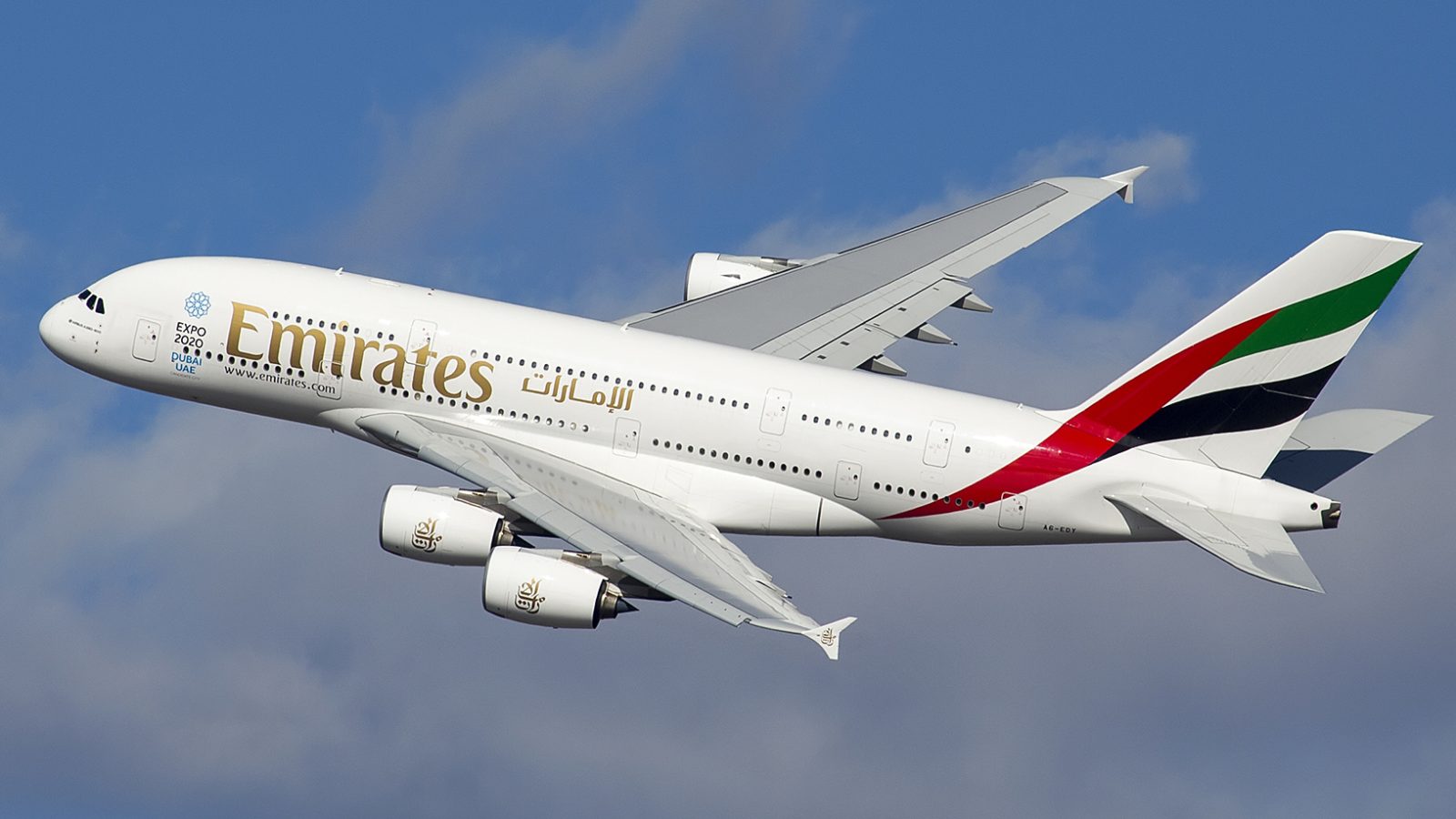
Emirates expects its iconic Airbus A380 fleet to remain an important part of its operation until around 2040, despite the increasing costs associated with maintaining and operating the four-engine superjumbo.
The Dubai-based airline has long been one of the strongest supporters of the A380, building the world’s largest fleet of the type.
However, Emirates deputy president and chief operations officer Adel Al Redha has indicated that the aircraft’s eventual retirement is now firmly part of the airline’s long-term planning.
Speaking to The National newspaper, Al Redha said Emirates expects the A380 to continue flying until approximately 2040.
He acknowledged that rising maintenance and operating expenses will eventually make keeping the aircraft in service increasingly difficult.
Emirates Continues to Operate a Large A380 Fleet
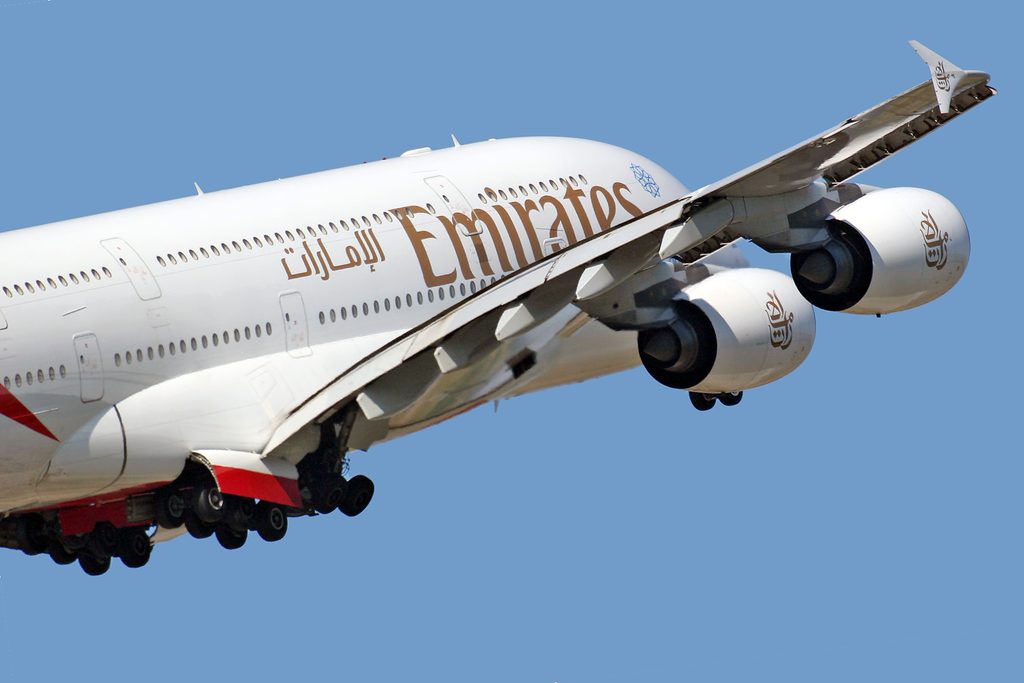
According to ch-aviation data, Emirates currently has 117 Airbus A380-800s in its fleet.
Of those aircraft, 86 are currently in service, while another 31 are on the ground. Emirates has not specified exactly how many of its inactive aircraft are undergoing maintenance or upgrades, but Al Redha confirmed that these processes account for the aircraft that are currently unavailable for operations.
The scale of Emirates’ A380 fleet makes the type particularly significant to the airline’s network.
The superjumbo provides a substantial amount of passenger capacity and has remained closely associated with Emirates’ strategy of connecting Dubai with destinations around the world.
Despite the aircraft’s age and the arrival of newer, more efficient aircraft, Emirates therefore continues to see a role for the A380 well into the next decade.
Boeing 777X Will Help Shape the Next Fleet
Emirates has already incorporated the eventual retirement of the A380 into its plans for the Boeing 777X.
Al Redha said the introduction of the new-generation twin-engine aircraft was planned with the eventual phaseout of the superjumbo in mind.
However, the Boeing 777X will not provide a direct one-for-one replacement for the A380’s capacity.
This means Emirates’ transition away from the A380 is unlikely to involve simply replacing each aircraft with an individual 777X.
Instead, the airline’s future fleet is expected to be built around a combination of aircraft types and changing capacity requirements.
The difference in capacity between the aircraft will also give Emirates greater flexibility as it gradually moves away from its reliance on the A380.
Emirates A380 Retirement Has Been Planned for Years
Emirates’ expectation that its A380s will remain in service until around 2040 is consistent with previous comments from the airline.
In November 2023, Emirates president Tim Clark said the carrier intended to continue operating its A380 fleet into the late 2030s or early 2040s.
At the time, Emirates had also committed significant funds to keeping its superjumbos operational.
The airline had signed A380 maintenance agreements reportedly worth more than $1.5 billion, covering areas including base maintenance, spare parts and C-checks.
The investment demonstrated Emirates’ willingness to support the aircraft despite its age, while also giving the airline a way of extending the useful operating life of its existing fleet.
More recently, Emirates ruled out acquiring additional second-hand A380s.
While the airline remains committed to operating its existing aircraft into the 2040s, it does not appear to be seeking to expand the fleet as other A380 operators retire their aircraft.
A Growing Fleet of New-Generation Aircraft
While the A380 remains central to Emirates’ current operation, the airline is simultaneously preparing for a very different future fleet.
Emirates currently has 46 Airbus A350-900s on order, alongside a substantial commitment for Boeing 777Xs.
The airline has 270 Boeing 777X aircraft on order, comprising 35 777-8s and 235 777-9s. The 777X will therefore become a major component of Emirates’ future long-haul fleet as deliveries progress.
The airline also has orders for 15 Boeing 787-8s and 15 Boeing 787-10s.
Emirates is considering converting these Dreamliner orders into additional Boeing 777Xs, which could further increase the importance of the 777X within its future fleet plans.
Emirates also has freighter aircraft on order as it continues to develop its wider fleet strategy.
The End of an Era Is Still Some Way Away
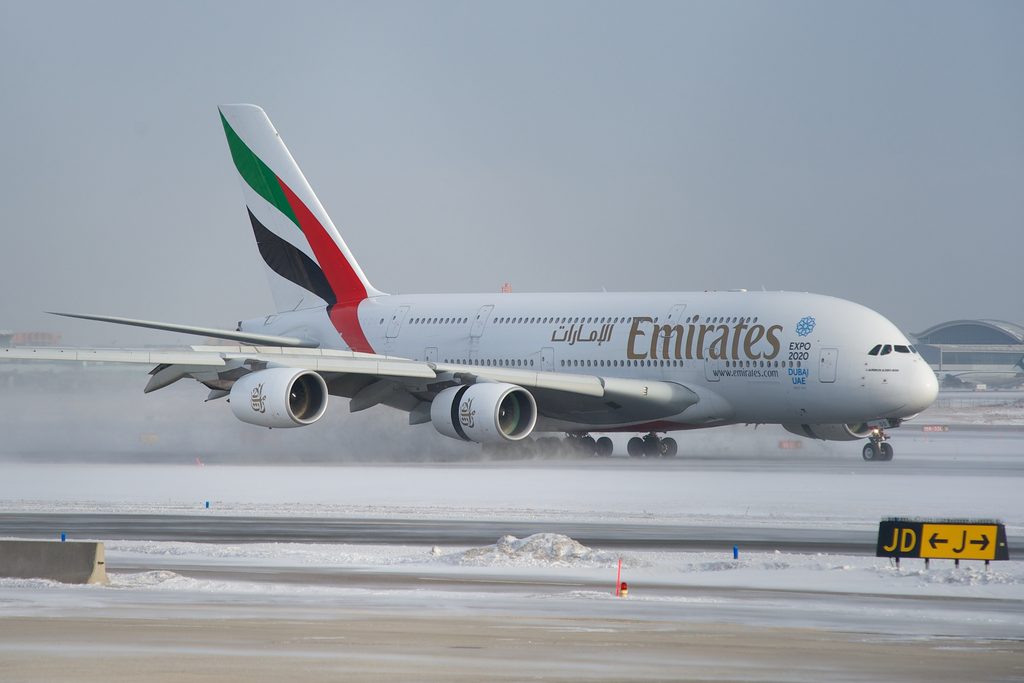
For Emirates, the eventual retirement of the A380 represents a significant long-term change rather than an immediate priority.
The aircraft has become synonymous with the airline and remains capable of providing the high passenger capacity required on some of its busiest routes.
With Emirates expecting the type to remain in operation until around 2040, the A380 still has a considerable amount of life ahead of it.
However, the airline’s fleet orders show that the transition has already begun.
New-generation aircraft such as the Airbus A350 and Boeing 777X will progressively take on a greater role, while the existing A380 fleet is maintained and upgraded to keep it flying.
The 777X will not replace the A380 on a one-for-one basis, meaning Emirates’ eventual withdrawal of the superjumbo will be a gradual transformation rather than a straightforward aircraft-for-aircraft substitution.
For now, however, Emirates remains firmly committed to its A380s.
If the airline’s current plans remain unchanged, passengers could continue seeing the distinctive double-decker aircraft in Emirates colors for years to come, potentially right up to 2040.
Continue to follow The Aviation Hub for more analysis and insight!