Estonia Eyes Light Jets to Counter Russia’s Jet-Powered Drone Threat
Estonia's defence minister says the country may need light jet aircraft to intercept Russia's fast, jet-powered attack drones.
 By The Aviation Hub
4 min read
By The Aviation Hub
4 min read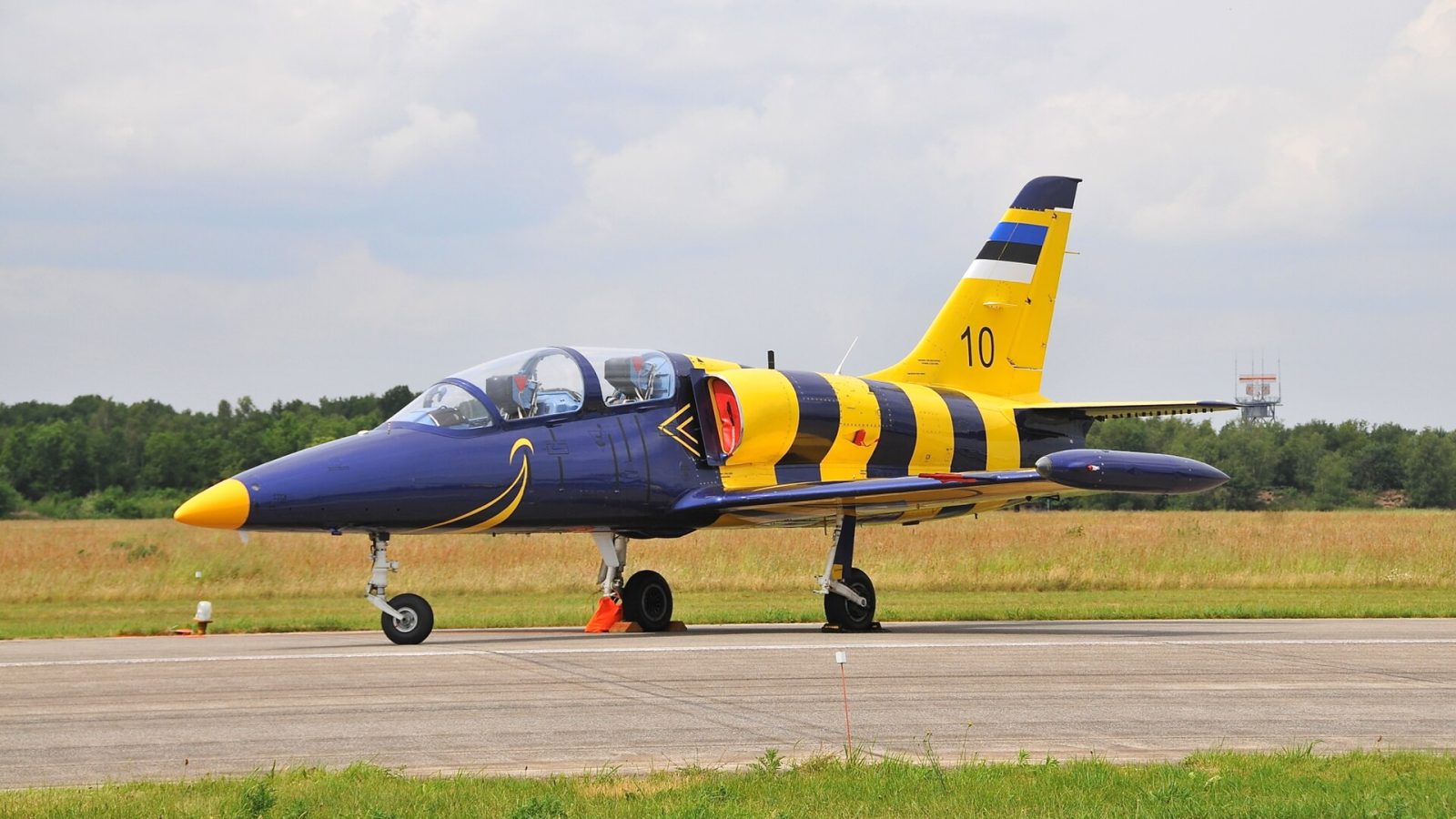
Estonia's Defence Minister Martin Herem has said the country may need to acquire light jet aircraft to intercept Russia's jet-powered drones, as the speed of the threat outpaces the aircraft currently available to counter it. His comments come as Ukraine reports a sharp fall in its own interception rates against the same class of weapon.
According to AeroTime, Herem made the remarks in an interview with Postimees, published on 11 October 2026 and translated into English by The Baltic Sentinel. He had met Ukrainian President Volodymyr Zelenskyy in Kyiv two days earlier, on 9 October 2026.
What Herem Said
Herem's argument is straightforward: air-to-air weapons fired from aircraft are the most effective method of bringing down jet-powered long-range attack drones, and turboprop aircraft may no longer be fast enough for the job.
"Turboprop aircraft may not be enough; we may need light jets," he told Postimees. When asked directly whether Estonia should acquire light fighter aircraft, he replied that perhaps it should.
Herem pointed to the L-39 Albatros jet trainers, pilots and air control expertise Estonia already possesses, and suggested studying whether an aircraft could be adapted to carry a machine gun or small cannon. He also cited computer-controlled cannons, heavy machine guns and jet-powered interceptor drones as additional options worth examining.
Estonia's Current Air Capabilities
The Estonian Air Force has no combat jets. As AeroTime reports, its fleet consists of two M28 transport aircraft and leased L-39 jet trainers, which are used mainly to train intercept controllers and joint terminal attack controllers.
Fighter cover over the Baltic states is provided by allied jets under NATO's Baltic Air Policing mission, operating from Ämari Air Base. One of those allied jets shot down a drone over Estonia on 19 May 2026.
Two days after that shootdown, on 21 May 2026, the presidents of Estonia, Latvia and Lithuania formally asked NATO to convert the mission into a full air defence mission with counter-drone capabilities.
The Threat: Russia's Jet-Powered Drones
The Russian Geran-4 jet-powered attack drone typically flies at between 300 and 400 kilometres per hour (185 to 250 mph) and can reach 500 kilometres per hour (310 mph), according to Ukrainian military intelligence cited by AeroTime. It was developed specifically to defeat Ukraine's low-cost interceptor drones, which had become increasingly effective against slower, propeller-driven Shahed-type weapons.
The speed increase has had a measurable impact. Herem said Ukraine's interception rate against long-range attack drones overall has fallen from around 90% to around 70%, with roughly 6,000 launched each month. Zelenskyy put the figure lower still, saying the interception rate for jet-powered drones specifically had dropped to just 57%.
How Ukraine Is Responding
Ukraine is not standing still. AeroTime reports that a Ukrainian manufacturer has begun combat trials of a jet-powered interceptor drone capable of exceeding 600 kilometres per hour (373 mph), with several other companies developing similar systems.
On 5 October 2026, the Ukrainian Air Force reported that AI-assisted robotic machine-gun turrets had successfully shot down Russian jet-powered Geran-5 drones, though their short range limits them to point defence.
On the same day Herem visited Kyiv, 9 October 2026, the Ukrainian presidency announced an agreement to quickly assemble a package of Ukrainian weapons for export to Estonia under the bilateral "Drone Deal".
No Warning Before the Kyiv Strike
The security context surrounding Herem's visit is significant. According to AP News, President Zelenskyy has said Ukraine received no early warning from its partners about a Russian missile strike on Kyiv, underscoring the intelligence gaps that continue to complicate Ukraine's defence.
For readers wanting to explore the broader aviation dimension of the conflict, our Aircraft Search tool allows you to look up the types and roles discussed in these reports.
The Wider Debate on Affordable Drone Interception
The search for a cost-effective intercept solution has evolved alongside the threat itself. Propeller-driven Shahed-type drones were slow enough to be engaged by attack helicopters and turboprop aircraft such as the Embraer A-29 Super Tucano. Russia's move to faster, jet-powered derivatives has exposed the limitations of those platforms, as AeroTime notes.
Herem's suggestion that Estonia study whether an L-39 could carry a cannon reflects exactly this dilemma: the country already has the trainers and the pilots, but not the weapons fit or the mandate for combat operations.
The Bottom Line
Estonia does not have combat aircraft and relies on NATO allies for fighter cover. Herem's comments represent a public shift in thinking toward a national capability, driven by a threat that is outrunning the solutions designed to counter it.
The fall in Ukraine's interception rates, from 90% to as low as 57% against jet-powered drones, gives that thinking urgency. Whether Estonia moves from discussion to procurement will depend on alliance politics as much as on budget and timeline. We will update our coverage if the Estonian government or NATO release further statements on the matter.
Continue to follow The Aviation Hub for more analysis and insight.
Advertise with us Your brand, in front of an aviation audience Home page and in-article placements, sold directly, one advertiser per slot. From £250 a year. See the rates