FAA Reviews Boeing 737 MAX Software Flaw
 By The Aviation Hub
4 min read
Updated September 27, 2026
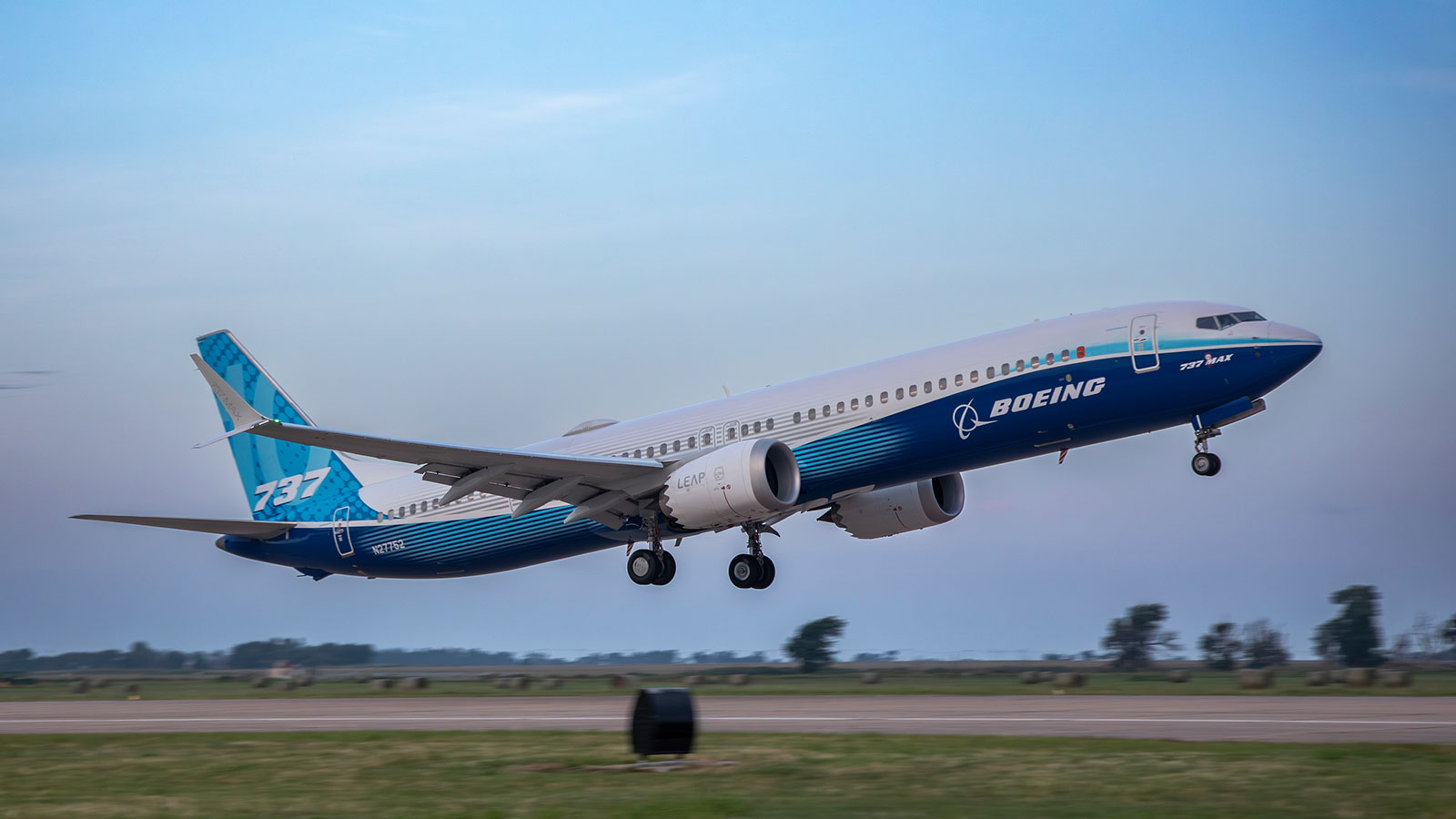
Boeing faces fresh regulatory scrutiny after the Federal Aviation Administration (FAA) confirmed it is reviewing a flaw in updated flight management computer (FMC) software fitted to certain 737 MAX aircraft.
The issue arrives at a sensitive moment, as Boeing works to secure certification for the long delayed 737-10.
Meanwhile, Southwest Airlines and United Airlines have told Boeing they will not accept new jets carrying the affected software.
What the Boeing Software Flaw Does
The problem affects FMC software versions 14 and 14.1.
It appears during precision approaches flown with the autopilot engaged.
If the crew begins a missed approach or go around and then modifies the preprogrammed flight plan, the flight guidance system may drop out of vertical navigation (VNAV).
Instead, the aircraft may revert to simpler pitch modes such as level change or vertical speed.
These modes do not follow the vertical path computed by the FMC.
As a result, pilots must manage altitude and speed constraints manually at a demanding stage of flight.
The FAA said it “will convene a Corrective Action Review Board (CARB) and will take immediate action if it identifies a safety concern.”
How the Issue Came to Light
An airline first reported the condition to Boeing in November 2024.
By February 2025, Boeing had concluded that the behaviour did not pose a safety threat.
However, operators later provided additional information earlier this year.
That new data prompted Boeing to launch a formal safety review, and the manufacturer submitted its findings to the FAA this month.
Notably, the FAA certified the 737-7 on 3 August 2026 with software version 14 installed.
Boeing also flew the 737-10 through its certification programme using version 14.1, completing the final planned test flight in July.
Airlines Reject Affected Boeing Deliveries

Alaska Airlines, American Airlines, Southwest and United have all confirmed that their existing 737 MAX fleets do not run the affected software.
Therefore, the flaw does not touch any aircraft currently flying passengers for those carriers.
New deliveries are a different matter.
Southwest and United have both informed Boeing that they will reject new aircraft fitted with versions 14 or 14.1. Instead, both airlines have asked for earlier software versions.
Southwest said that “none of our fleet is equipped with Version U.14, including new deliveries of Max 8 airplanes.”
What It Means for the 737-7 and 737-10
The timing is awkward for Boeing. Southwest accounts for nearly all 737-7 orders and was expected to begin taking deliveries this autumn.
That schedule now looks uncertain, given the airline’s stance on version 14.
The 737-10 faces its own questions.
On 24 September, Alaska Airlines Chief Operating Officer Jason Berry said the carrier expected FAA certification by the end of September.
Alaska holds orders for 105 aircraft plus 35 options. The airline plans to receive its first examples in spring 2027 and to begin passenger service between April and May 2027.
Consequently, any delay to the CARB process could push those plans back.
It remains unclear whether the FAA must complete its review before it approves the largest MAX variant.
Boeing Response and Planned Fix
Boeing has described the glitch as not urgent. The company said it “shared information with operators that reinforced existing pilot procedures.”
A permanent software update will not arrive until 2028, according to Boeing. Updated pilot guidance should follow in November 2026.
Boeing says it is trying to bring both timelines forward.
In addition, it is “working directly with airlines to formalize a procedure” that allows pilots to reactivate automated vertical navigation if the fault occurs.
What Happens Next for Boeing
The CARB will now assess Boeing’s safety analysis and examine its proposed correction. Two key questions remain open.
First, will the review need to conclude before the 737-10 receives approval? Second, will a permanent fix demand extra pilot training beyond a simple software update?
For Boeing, the answers carry real weight.
The manufacturer has spent years rebuilding trust with regulators and customers after the MAX grounding.
Although this flaw appears far less serious, airlines are clearly unwilling to take chances.
How quickly Boeing and the FAA resolve the matter will shape delivery schedules across the MAX family well into 2027.
The Aviation Hub will continue to follow the FAA review and the 737-10 certification process as it develops.
Advertise with us Your brand, in front of an aviation audience Home page and in-article placements, sold directly, one advertiser per slot. From £250 a year. See the rates