
FlyDubai Co-Pilot Planned Terror Attack Before Joining Airline, Officials Say
Israeli officials say the FlyDubai co-pilot accused of attacking his captain on flight FZ1073 planned the assault before he was ever hired.
 By The Aviation Hub
6 min read
Updated October 5, 2026
By The Aviation Hub
6 min read
Updated October 5, 2026 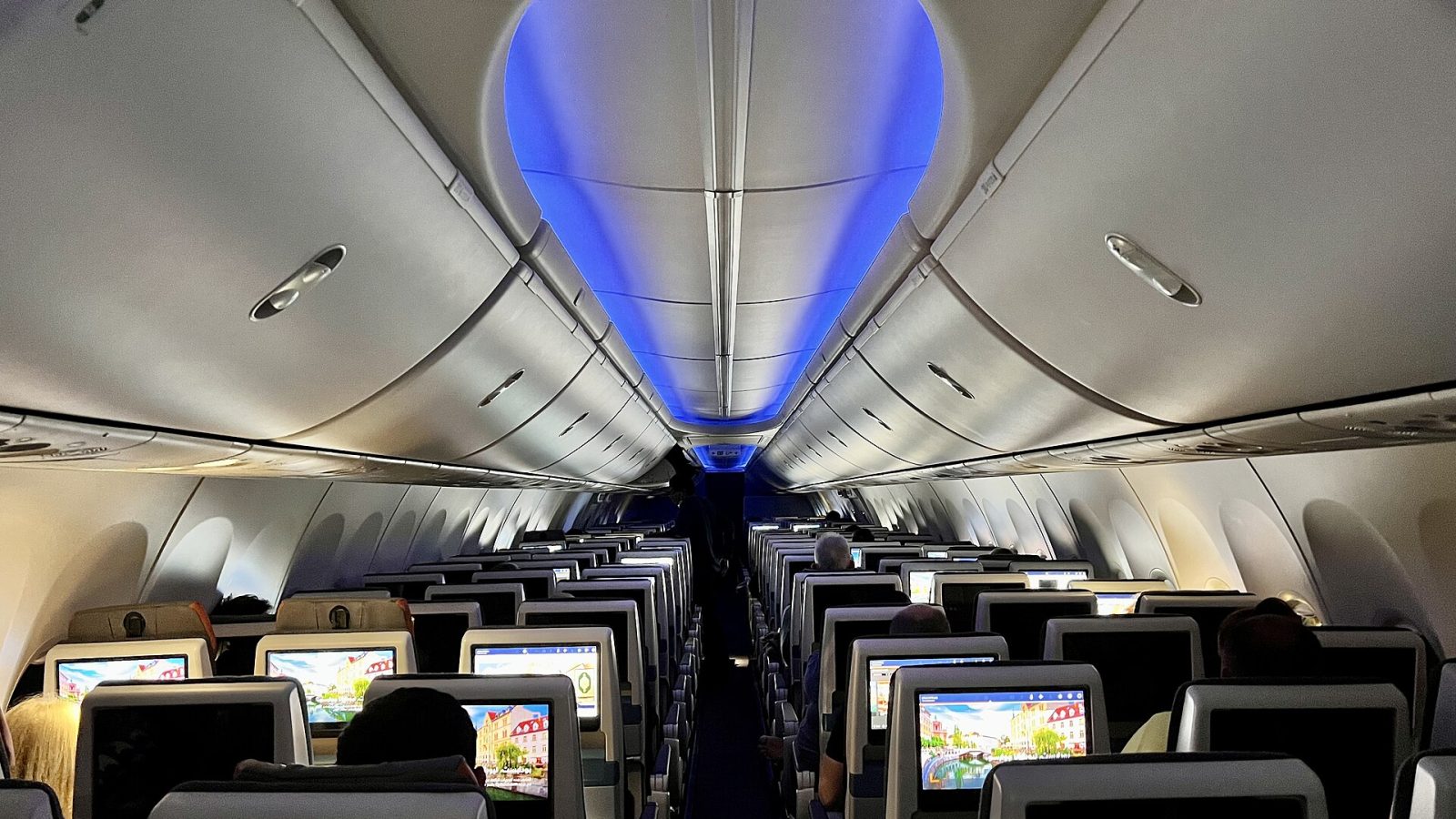
The FlyDubai co-pilot accused of attacking his captain on flight FZ1073 had planned the assault before he applied for a job at the airline, according to two Israeli officials cited by the Globe and Mail. The incident took place on 30 September 2026, aboard a Boeing 737 MAX 8 registration A6-FKF, operating from Dubai International (DXB) to Ben Gurion International (TLV) with more than 170 passengers and crew on board.
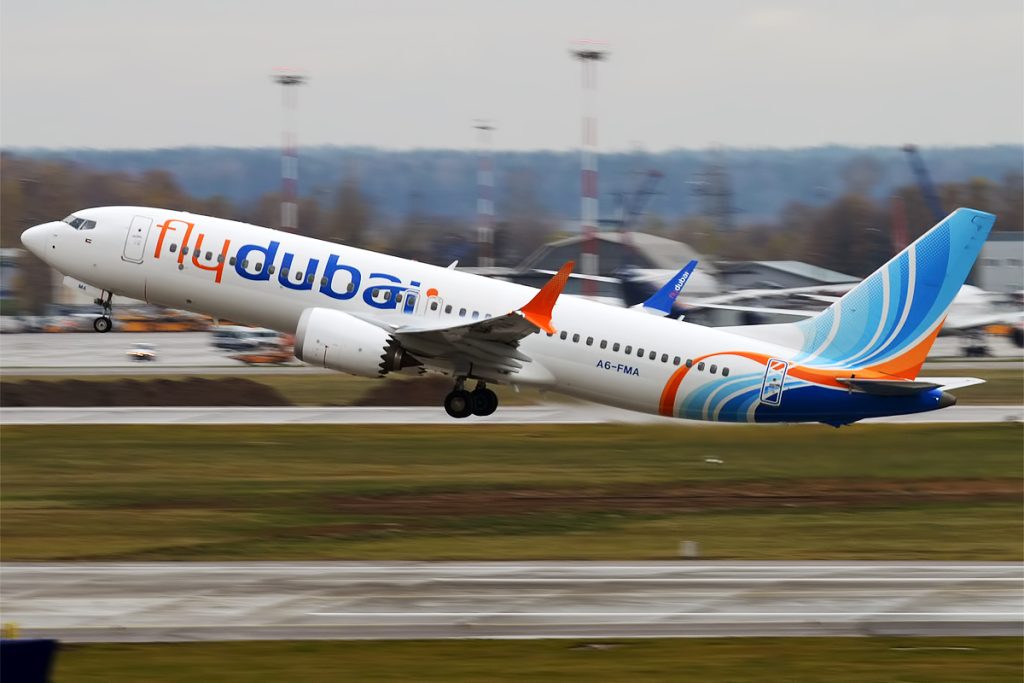
The case has prompted an international investigation involving authorities in the UAE, Saudi Arabia, Israel, Australia and New Zealand, and has raised serious questions about aviation security screening across multiple jurisdictions.

What the Co-Pilot Allegedly Told Investigators
According to the Globe and Mail, two Israeli officials said the co-pilot told UAE interrogators he had searched specifically for airlines flying to Tel Aviv before applying to FlyDubai. A third anonymous source briefed on the UAE probe said he had intended to crash the aircraft into Ben Gurion Airport.
Aviation A2Z reports that, according to Channel 13 as cited by The Times of Israel, the co-pilot told investigators: "I looked into which airline flies to Tel Aviv. That's why I chose flydubai."
The BBC's reporting, drawing on US and Israeli sources, indicates that the alleged plan was to fly normally after incapacitating the captain, obtain landing clearance for Ben Gurion, and then crash the aircraft into the airport or a building in central Tel Aviv during the final approach. Sources described him as a lone-wolf extremist rather than an operative acting on behalf of an organisation or foreign government.
A Previous Flight to Tel Aviv
A third source briefed on the UAE probe told the Globe and Mail that the co-pilot had operated an earlier flight to Tel Aviv this year and had intended to carry out the attack on that occasion, but chose not to. The source said he was thought to have known someone on board, though the precise reason he abandoned the plan was not immediately clear.
Aviation A2Z adds that, according to Channel 12, he had used a June visit to Ben Gurion to gather information and had intended to act in July, but abandoned that attempt because he had developed a friendship with a member of the cabin crew. These details come from anonymous sources and have not been confirmed by UAE or Israeli authorities.
How the Attack Unfolded on 30 September
Aviation A2Z reports that the co-pilot requested a prayer break at approximately 9:15 a.m. before attacking Captain Smit Machchhar with the cockpit's emergency crash axe. Channel 12, as cited by The Times of Israel, reported that he had deliberately waited until the aircraft was over Jordan before acting, calculating that a later move would reduce the chance of an early response.
The intended approach, according to Paddle Your Own Kanoo, was to incapacitate the captain without alerting passengers or crew, then fly normally towards Tel Aviv before diverting into the terminal at the last moment.
Captain Machchhar resisted the assault and managed to release the cockpit door. Passengers entered the flight deck and overpowered the co-pilot. Reuters reported that the aircraft plunged approximately 16,000 feet in roughly 30 seconds during the confrontation. Two off-duty FlyDubai pilots who were travelling on the flight then took control of the aircraft.
The Emergency Transponder Sequence and Diversion
Aviation A2Z records that at approximately 9:31 a.m. the replacement crew squawked 7700, the general emergency code, before later transmitting squawk 7500, indicating unlawful interference. By approximately 9:35 a.m. the co-pilot had been restrained.
Saudi air traffic control directed the aircraft to Tabuk, where it landed safely at Prince Sultan bin Abdulaziz International Airport (TUU). You can follow this and other active emergencies on our Squawk 7700 hub, which carries the live emergency board and incident archive.
The FlyDubai Co-Pilot's Background and Prior Employment
Two sources cited by the Globe and Mail identified the co-pilot as Hamam al-Hammami, an Omani national aged 29. UAE authorities and FlyDubai have not publicly confirmed his identity, and no formal charges have been announced.
The BBC reports that regional officials said al-Hammami had been barred from flying by Oman's national carrier, Oman Air, and moved to an administrative role after concerns arose about his extremist views. He was subsequently hired by FlyDubai following standard security checks that did not examine his background for signs of radicalisation, according to those officials.
Airways Magazine notes that Royal Air Maroc confirmed he completed three months of theoretical training in 2025 but was not offered employment. The Moroccan airline said he had never served as a crew member or performed professional duties for it. Airways Magazine cautions that a rejected application alone does not establish a security concern.
Israeli regulations state that pilots who are citizens of countries without diplomatic relations with Israel, including Oman, are not permitted to operate flights there. The Globe and Mail reports that Israeli Prime Minister Benjamin Netanyahu has ordered a security review of foreign airlines flying to Israel, and has said the co-pilot had undergone radical Islamist indoctrination, though he has not said when or where.
International Investigations and Security Failings
New Zealand Assistant Police Commissioner Michael Johnson confirmed to the Globe and Mail that the co-pilot had spent time in New Zealand and that police were examining that period. A multi-agency Australian counterterrorism unit is also investigating his links to Australia. A source told Reuters he had been enrolled at RMIT University in Melbourne around a decade ago, though no connection between his studies and the alleged plot has been established.
The BBC reports a dispute within the Israeli government over who bore responsibility for vetting the crew manifest. The Shin Bet said the Ministry of Transport was responsible for checking crew lists from foreign airlines, while Transport Minister Miri Regev said her ministry had not received the lists and that security oversight of foreign airlines was the responsibility of the Shin Bet and the Mossad.
UAE Attorney-General Hamad al-Shamsi said on 3 October that investigators were still examining the exact circumstances, motives and any possible links, and that results would be announced once the inquiry was complete, according to Airways Magazine.
For background on the airline at the centre of this investigation, you can use our Airline Search to find further information on FlyDubai.
The Bottom Line
The emerging picture, drawn from anonymous Israeli, UAE and regional officials, is of a co-pilot who allegedly sought out FlyDubai precisely because it served Tel Aviv, who is said to have abandoned one earlier attempt, and whose extremist history was known to a previous employer but did not surface during FlyDubai's hiring process. Every key detail continues to rest on anonymous sourcing. The UAE's formal investigation is ongoing, and no charges have been announced.
The questions that will shape what follows centre on how the co-pilot was hired, how he came to be assigned to a Tel Aviv flight despite Israeli regulations, and whether any warning sign was discoverable during recruitment. We will update our coverage if FlyDubai, the UAE authorities or any other investigating body releases further official information.
Continue to follow The Aviation Hub for more analysis and insight.
Advertise with us Your brand, in front of an aviation audience Home page and in-article placements, sold directly, one advertiser per slot. From £250 a year. See the rates

.jpg)