
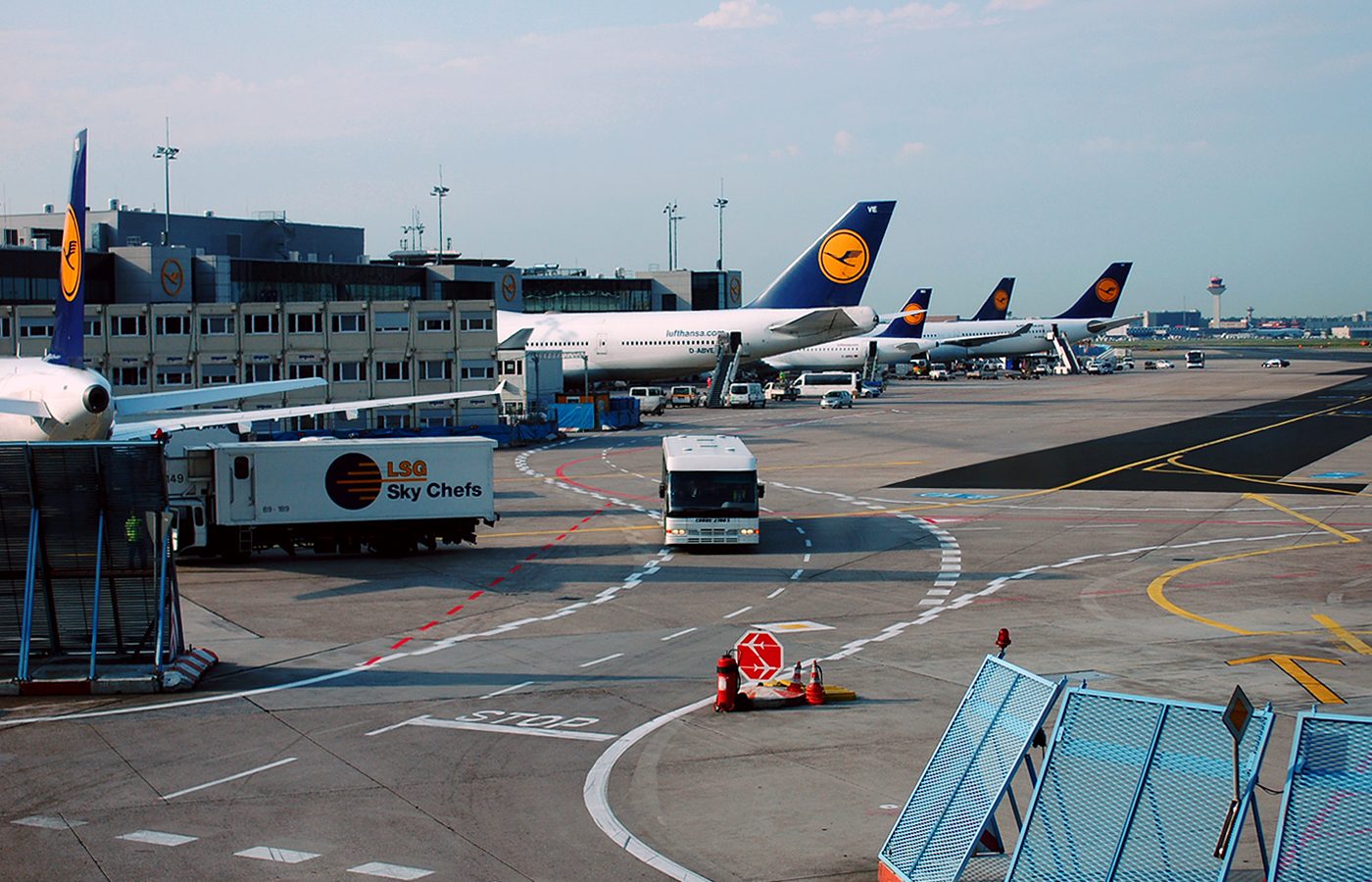
Frankfurt Terminal 3 adds 19 million passengers of annual capacity to one of Europe's most congested hubs. At almost the same moment, the airport's passenger numbers are falling. That is the central tension in Frankfurt's 2026 story, and the capacity data make it sharper than the opening ceremony suggested.
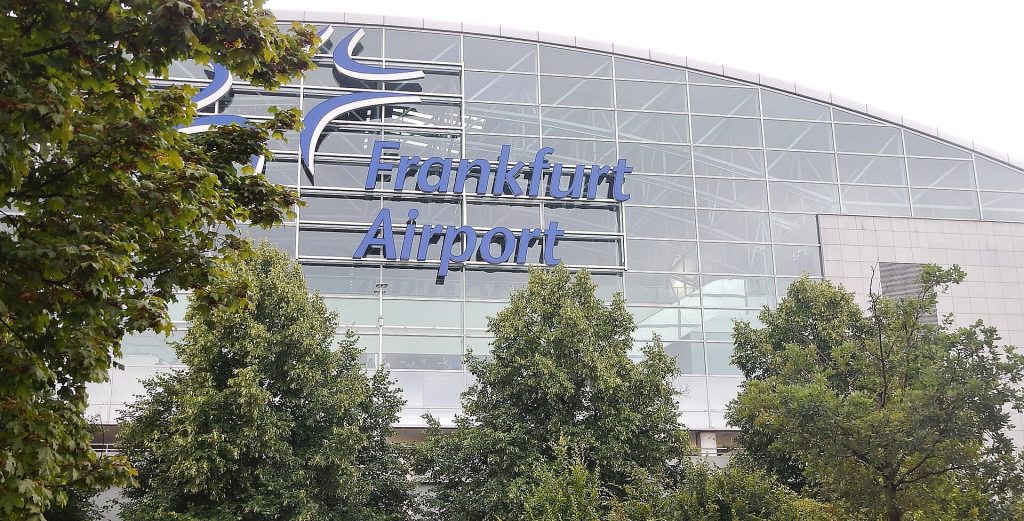
Fraport AG officially opened Terminal 3 on 22 April 2026, with more than 400 guests from government, business and aviation in attendance. Federal Transport Minister Patrick Schnieder, Hesse Minister-President Boris Rhein, Frankfurt Lord Mayor Mike Josef, Supervisory Board Chair Michael Boddenberg and architect Christoph Mäckler were among those present. The first commercial flight was scheduled for 23 April 2026.
Europe's Largest Privately Funded Infrastructure Project
Fraport describes Terminal 3 as the largest infrastructure project the company has ever undertaken. Hesse Minister-President Boris Rhein went further, calling it Europe's largest privately funded infrastructure project. Fraport says the project was completed on schedule and on budget, which is itself a notable achievement for a build of this scale.
For context on Frankfurt's existing infrastructure, our Frankfurt Airport Guide: Germany's Four Runway Gateway sets out the airport's layout, its role in European aviation and the constraints that made Terminal 3 necessary. The sheer ambition of the new terminal was always about Frankfurt's position as a long-haul connecting hub, not simply about handling more domestic traffic.
The Numbers That Matter More Than the Opening
The ceremony is one story. The capacity data is another. Aviation Week & Space Technology reports that Frankfurt's scheduled summer 2026 departure seat capacity was approximately 25.54 million, nearly unchanged year-on-year, but the number of flights fell 3.2%. At the same time, German airport departure seats for summer 2026 were approximately 87.8 million across the country, down 0.7% year-on-year, with departures falling 3.4% to about 478,300.
The winter picture is worse. Aviation Week & Space Technology reports that Frankfurt's winter 2026/27 schedule shows seats falling 2.7% and departures dropping 5%. New physical capacity and actual scheduled capacity are moving in opposite directions.
According to OAG, Frankfurt ranked sixth in Europe for total seats in November 2026 with 2.96 million, down 6% year-on-year. Globally, OAG places Frankfurt tenth for international seats that month with 2.65 million, also down 5% year-on-year. Those are significant declines for an airport that has just added its largest terminal.
Frankfurt Terminal 3: Passengers Are Falling, Not Rising
The traffic figures tell the same story from the demand side. Yahoo Finance, citing a Fraport CEO statement, reports that Frankfurt handled about 28.9 million passengers in the first half of 2026, down 0.8% from the same period in 2025. June 2026 was notably weak: Fraport's figures show passenger traffic fell 1.7% year-on-year to around 5.7 million that month.
Yahoo Finance, citing the Fraport CEO statement, also reports that Fraport has cut its full-year 2026 passenger forecast to 63.2 million, down from a previous forecast of 65 to 66 million. That is a meaningful revision. Fraport attributed the weaker traffic to Lufthansa strikes, the war in Iran and traveller uncertainty over jet fuel supplies.
Those are external factors, and Fraport is right to name them. But the winter schedule data from Aviation Week & Space Technology, showing a 2.7% fall in seats and a 5% fall in departures, suggests the softness extends into planned capacity, not just realised demand.
Airline Search is a useful starting point for checking which carriers are growing or cutting at Frankfurt specifically.
What the Mismatch Actually Shows
The gap between Terminal 3's physical capacity and the airport's current traffic position deserves careful reading. Adding 19 million annual passenger places does not by itself attract 19 million more passengers. Terminal capacity is a necessary condition for growth, not a sufficient one. What the data show is that Frankfurt has removed a physical ceiling at the moment when airlines are pulling seats for reasons that have nothing to do with terminal infrastructure.
Fraport COO Dietmar Focke told Aviation Week & Space Technology: "A competitive German aviation market requires transparency and efficiency from infrastructure providers and a policy framework that enables airlines to deploy capacity with long-term confidence." That framing is deliberate. Focke is pointing at the policy environment, not at the terminal, as the binding constraint on Frankfurt's growth.
The seat and departure figures support that reading. Flights at Frankfurt fell 3.2% in summer 2026 even as the terminal opened. The building is ready. The question is whether the conditions exist for airlines to fill it.
The Bottom Line
Frankfurt Terminal 3 is a genuine achievement in infrastructure delivery. Completed on schedule and on budget, it gives the airport room to grow that it did not have before. But the capacity data for summer 2026 and winter 2026/27, combined with a revised full-year passenger forecast of 63.2 million and declining seat counts in OAG's November figures, make clear that the terminal's opening has not, in itself, reversed the traffic trend.
The more useful way to read the figures is this: Terminal 3 is a long-term asset, opened at a short-term low point. Whether Frankfurt recovers to fill it depends on factors well beyond the building itself, including airline strategy, the policy environment Focke described and external demand conditions. The numbers today show a mismatch. Whether that mismatch persists is what the next two or three scheduling seasons will reveal.
This article draws on information from Fraport AG (official operator press release) and reporting by Aviation Week & Space Technology, Yahoo Finance (Fraport CEO statement) and OAG (official aviation data provider).
Continue to follow The Aviation Hub for more analysis and insight.
Advertise with us Your brand, in front of an aviation audience Home page and in-article placements, sold directly, one advertiser per slot. From £250 a year. See the rates