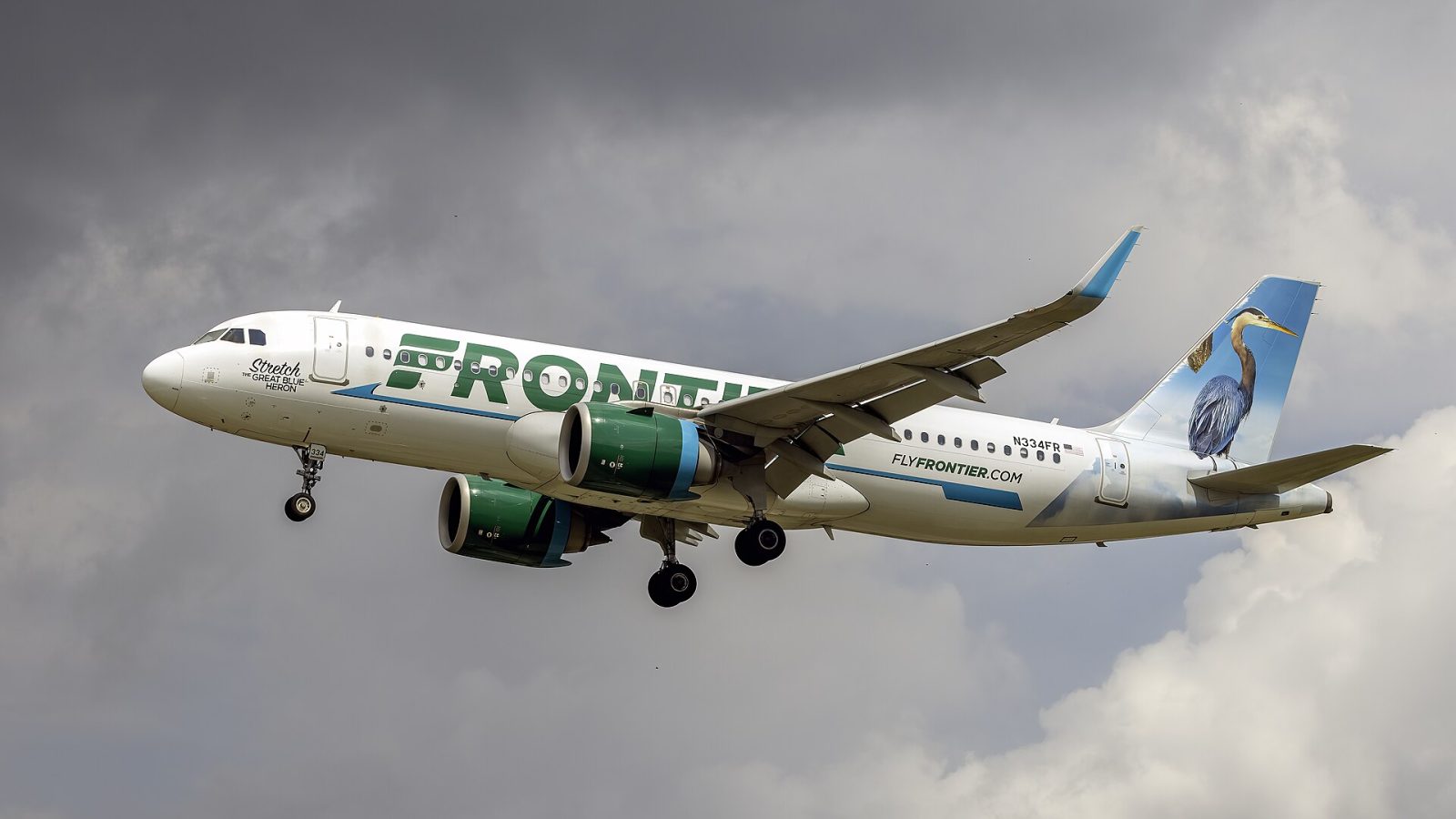
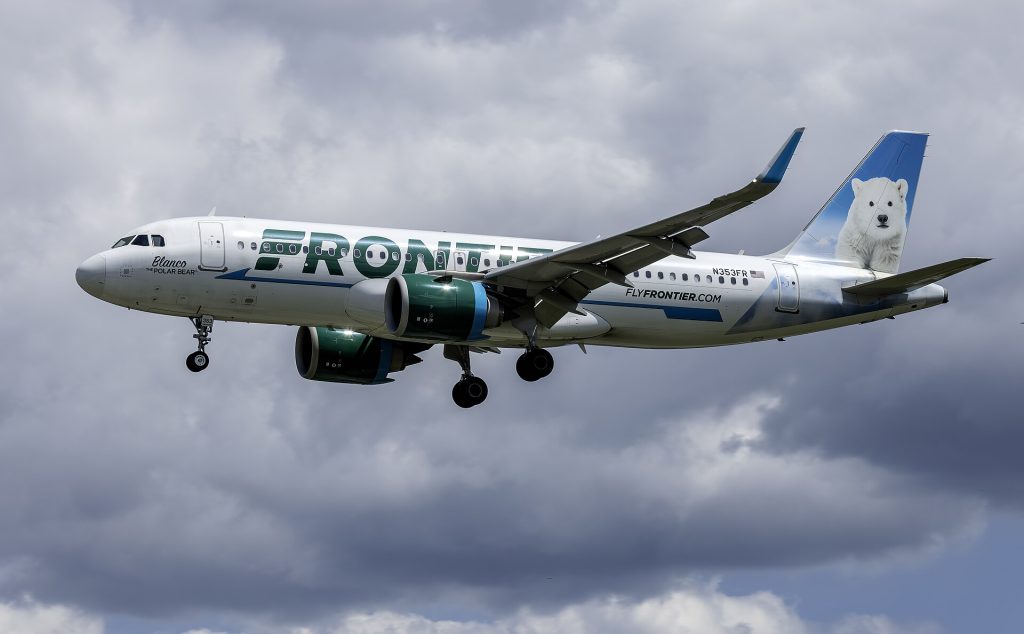
Frontier Airlines reported a net loss of $104 million for the third quarter of 2026, a result that worsened considerably on the $77 million adjusted loss the carrier posted in the same period a year earlier, according to Live and Let's Fly. The headline figure arrived despite Frontier achieving record third-quarter revenue.
The gap between that revenue milestone and the bottom line tells the story of Q3 2026 for the entire US airline industry. As Aviation Week reports, persistently high fuel costs have tempered results across American carriers and prompted caution about the year ahead.
What the Fuel Bill Did to the Numbers
Fuel costs at Frontier reached $425 million in Q3 2026, up from $234 million in the equivalent period of 2025. The principal driver was an average price of $3.96 per gallon, a figure that sat $0.26 ahead of the airline's own guidance assumption and represented a 56 per cent rise on the year-ago rate, pushing the absolute increase to roughly $150 million. All figures are drawn from Live and Let's Fly.
To put that in context: Frontier's adjusted pretax margin for the quarter was 2.9 per cent, and the carrier still managed an adjusted profit of $40 million once special items were stripped out. The fuel overshoot alone was the single largest force pulling the reported result into deep loss.
Fleet Changes Added a Heavy One-Off Charge
The early return of 13 Airbus A320neos gave rise to $134 million in charges during the quarter, as reported by Live and Let's Fly. The total encompassed lease-return costs, accelerated depreciation of maintenance assets, and amounts written off against prepaid maintenance balances that could no longer be recovered, though a portion was clawed back through the reversal of accruals made in prior periods.
Further items comprised a $3 million charge relating to a prior aircraft-return agreement and a $6 million ratification incentive paid out to aircraft technicians. When a $1 million tax adjustment is included, the aggregate gap between the reported and adjusted earnings figures reaches $144 million.
The 13 returned A320neos are to be replaced by 10 Airbus A321neos taken on through direct leases. The switch to larger jets suggests Frontier is pursuing better unit economics on its remaining flying rather than simply cutting capacity. You can explore the Airbus A320neo and A321neo families further using our Aircraft Search.
Adjusted Profit, Reported Loss: Reading the Two Frontier Airlines Numbers Together
The $40 million adjusted profit and the $104 million net loss are not contradictory; they reflect different views of the same quarter. The adjusted figure removes the fleet-return charges and the technician incentive payment, which are genuine cash costs but ones that relate to strategic decisions rather than the day-to-day operation.
Frontier's management clearly chose Q3 2026 as the moment to absorb those fleet restructuring costs in one go. Whether the accounting treatment flatters or fairly represents the underlying business is a judgement readers can draw for themselves, but the adjusted pretax margin of 2.9 per cent at least confirms the core operation was marginally profitable before those charges landed.
What Q4 Guidance Signals
Looking to the fourth quarter of 2026, Frontier has set out guidance spanning a range from an adjusted loss of $0.15 per share at one end to an adjusted profit of $0.05 per share at the other, according to Live and Let's Fly. Underpinning those numbers is a fuel price assumption of around $4.75 per gallon, which would represent a meaningful step up even from Q3's already elevated average.
That assumption matters. Q3's fuel price came in $0.26 above guidance and turned a manageable quarter into a heavily loss-making one. If Q4 prices track similarly above the carrier's assumption, the midpoint of that guidance range will shift. The broader picture, noted by Aviation Week, is that US airlines as a group are approaching the coming year with caution precisely because fuel costs show no sign of relenting.
The Bottom Line
Frontier Airlines enters Q4 2026 having taken its fleet-restructuring pain in a single quarter, which clears the balance sheet of those one-off charges going forward. The underlying adjusted profit of $40 million shows the network can generate a positive return when fuel cooperates. The problem is that fuel has not cooperated, and the carrier's own Q4 assumption of $4.75 per gallon suggests it does not expect that to change quickly.
Record revenue is a genuine achievement for an ultra-low-cost carrier operating in a competitive domestic market, but revenue records mean little if the fuel line continues to expand faster than yields can absorb it. The transition from 13 A320neos to 10 A321neos may improve seat-cost economics over time, but the fleet reshaping itself cost $134 million in a single quarter, which underlines just how expensive strategic flexibility can be.
For readers tracking Frontier's competitive position in the US low-cost sector, our Airline Search is a useful starting point for background on the carrier and its network.
Continue to follow The Aviation Hub for more analysis and insight.
Advertise with us Your brand, in front of an aviation audience Home page and in-article placements, sold directly, one advertiser per slot. From £250 a year. See the rates