Jet fuel costs across the industry rose sharply in 2026 following a major geopolitical shock, and the central question for investors, passengers and airline strategists alike is a blunt one: how much of that cost could carriers actually push back through the fare box and ancillary revenue? The answer, it turns out, depends almost entirely on which business model a carrier runs.
The Shock That Triggered the Surge
To understand the scale of the disruption, consider what happened to jet fuel prices. Following the start of Operation Epic Fury on 28 February 2026, spot prices rose from around $96 a barrel to a peak of $197, according to Aerotime Hub. That represents more than a doubling within a matter of weeks. The shock to refining margins was sharper still: Aerotime Hub reports that Asian margins moved from approximately $21 per barrel ahead of the conflict to a peak of $144 per barrel, tightening supply across global networks. In northwest Europe, the Platts assessment for jet fuel reached $1,840 per metric ton on 3 April 2026, a record high, Aerotime Hub reports.
For airlines whose cost base runs from 20 to 35 percent fuel, an increase of that magnitude leaves very little room for a tidy response.
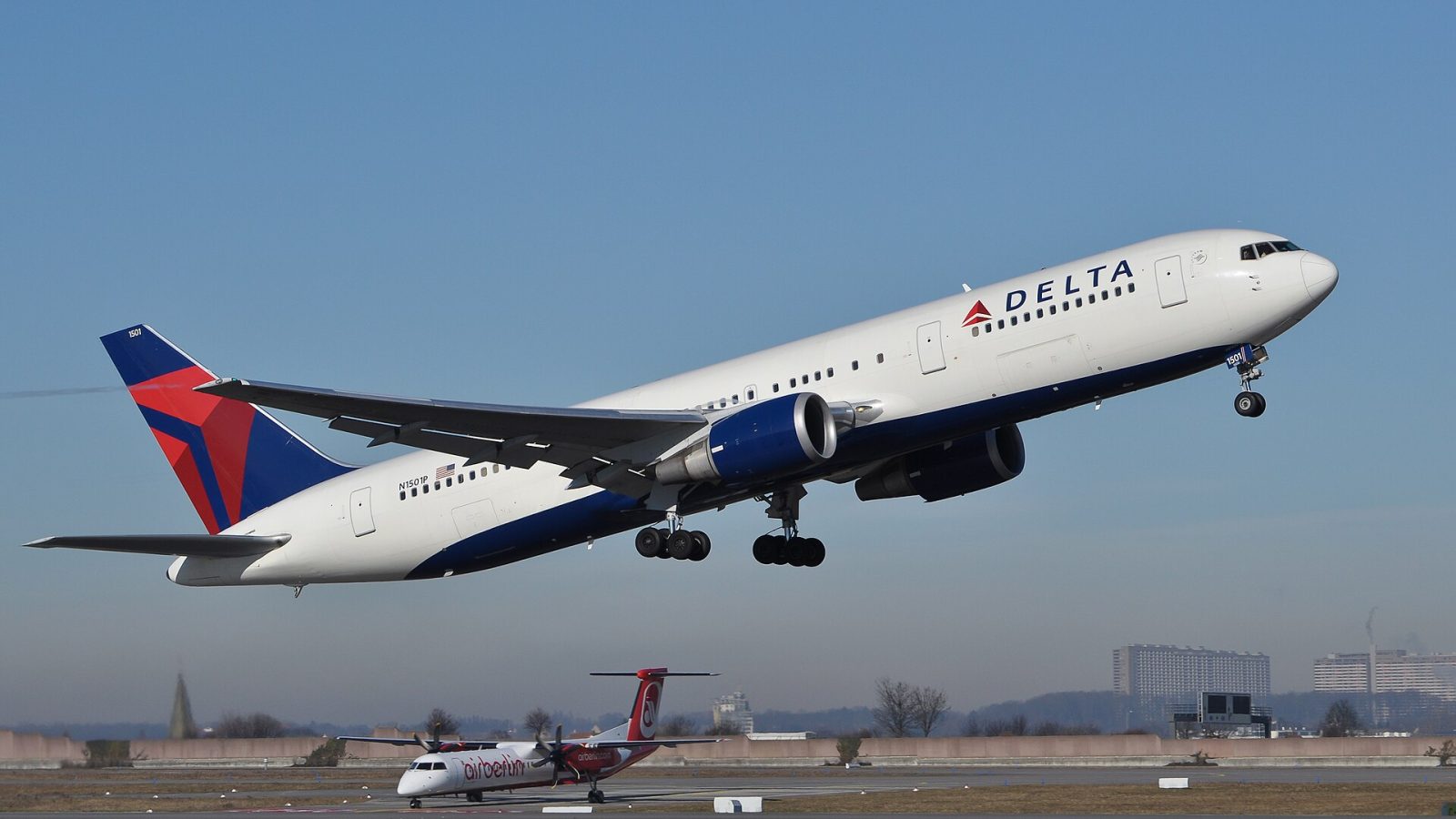
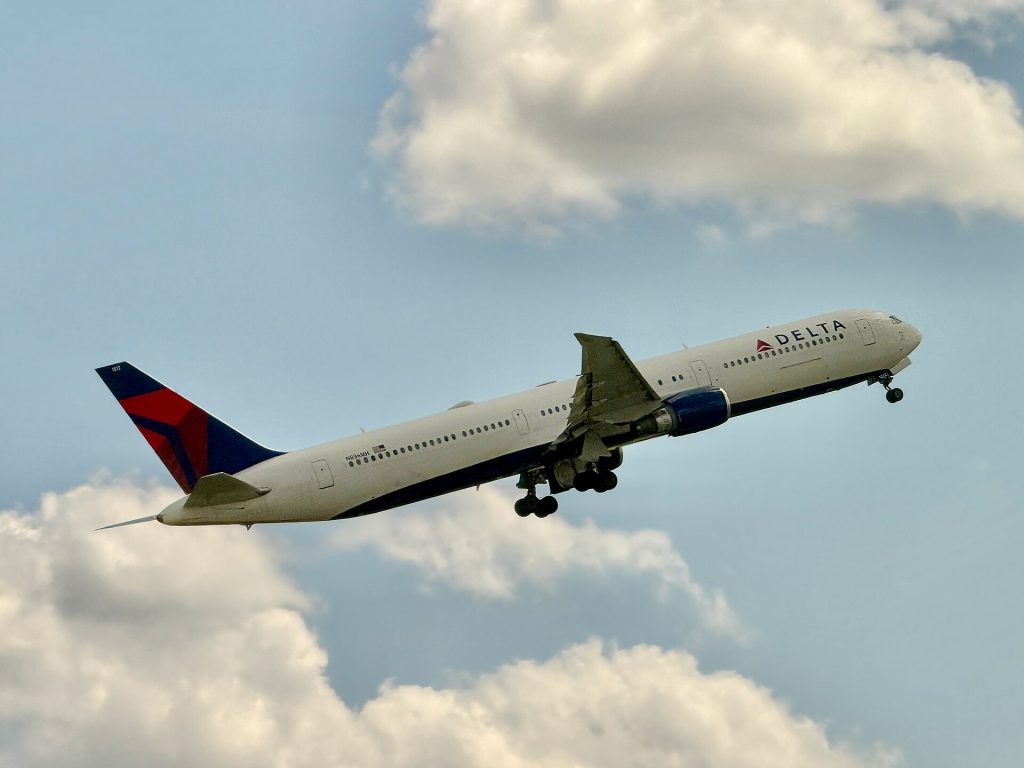
Delta's Numbers: Brutal Fuel Costs, Resilient Revenue
OPIS (Dow Jones) reports that Delta Air Lines spent $4.351 billion on fuel and related expenses in Q3 2026, up 69 percent from $2.57 billion in Q3 2025. The average cost per gallon reached $3.61, against $2.25 a year earlier, a 60 percent rise. Fuel consumption itself grew only 1 percent year on year to 1.146 billion gallons, according to OPIS (Dow Jones), meaning the cost explosion was almost entirely price rather than volume.
Against that backdrop, the operating outcome for Delta is particularly striking. Delta Air Lines posted a pre-tax profit of $1.4 billion for the June quarter, with an operating margin of 8.8 percent; revenue grew 14 percent, surpassing the prior year by more than $2 billion. Chief Commercial Officer Joe Esposito pointed to "broad demand strength" as the driver of the performance. Chief Financial Officer Erik Snell stated: "Delta delivered June quarter results above guidance, with an operating margin of 8.8 percent and earnings of $1.56 per share."
For the first half of 2026, Delta reported operating cash flow of $4.1 billion and free cash flow of $1.4 billion. The airline also confirmed a 15 percent rise in its dividend, effective from the September quarter. Full-year guidance was maintained, covering adjusted earnings per share of $6.50 to $7.50 and free cash flow of $3 to $4 billion across the year.
CEO Ed Bastian framed the outlook directly: "For the full year, we are affirming the guidance we set at the start of the year to grow earnings by 20 percent, overcoming a multi-billion dollar fuel headwind."
The September quarter projection gives some sense of where fuel costs are expected to settle. Delta said the all-in fuel price for Q3 2026 is forecast at approximately $3.15 per gallon, with a 5-cent benefit from its own refinery included. That implies the worst of the price spike may have passed at the spot level, though the absolute cost base remains far above where it stood a year ago.
You can track Delta's fleet and route activity through our Airline Search tool.
European Low-Cost Carriers: Hedges, Volume and Pain
The picture across the Atlantic looked materially different, and the contrast between the three main European ultra-low-cost carriers is instructive.
Of the carriers caught in the crisis, Ryanair had the most robust hedge position going in. According to Aerotime Hub and GP Aviation Intelligence, CEO Michael O'Leary disclosed in January 2026 that 84 percent of the current quarter's fuel had been secured at $77 per barrel, with around 80 percent of the next financial year's needs covered at approximately $67 per barrel. With cover at those levels, the explosion in spot prices translated into a considerably smaller cash impact for Ryanair than its competitors had to absorb.
The result showed in the margins. GP Aviation Intelligence reports that in the April to June 2026 quarter Ryanair achieved a 13.1 percent operating margin, while easyJet managed 3.5 percent. Wizz Air, by contrast, lost 12.2 percent of revenue over the same period.
Revenue per passenger, however, declined across all three carriers. According to GP Aviation Intelligence, Ryanair saw average revenue per passenger slip by 5 percent, easyJet recorded a 3 percent fall in total airline revenue per available seat kilometre, and Wizz Air's RASK declined by 8.1 percent. At the unit level, none of the three managed to fully recover the increase in fuel costs through fare rises or ancillary income.
The most exposed position in the peer group belongs to Wizz Air. GP Aviation Intelligence reports that the airline expanded capacity by 14.9 percent and grew its passenger numbers by 25.1 percent during the quarter, yet total revenue climbed by only 5.5 percent. Pursuing aggressive expansion while facing structurally elevated costs, with neither a meaningful hedge position nor a premium revenue base to fall back on, left Wizz Air with the weakest result among the group.
What the Models Tell Us
Taken together, the data points to three factors that separated the resilient from the pressured: hedging depth, revenue diversification and brand pricing power.
Delta's revenue mix, encompassing a sizeable premium cabin, a loyalty programme and a transatlantic joint venture, provided tools unavailable to carriers built around the lowest possible fare. Bastian acknowledged that the airline had absorbed "the highest quarterly fuel expense in our history" and still produced $1.4 billion in pre-tax profit, crediting "broad demand strength, growing brand preference and momentum across our diversified revenue base." That degree of insulation simply does not exist for operators whose model rests entirely on low-price volume.
Ryanair's hedge was the difference between a manageable quarter and a damaging one. easyJet sat in the middle: some hedge benefit, some premium ancillary income, but not enough of either to fully absorb the shock. Wizz Air, with the weakest hedge position and the most volume-led model, bore the sharpest unit revenue dilution.
What to Watch Next
Several questions remain open. It is not yet clear how far the fuel spike has unwound, and whether fares will track downward if spot prices continue to ease. Carriers that locked in hedges at elevated levels in the spring could face a different kind of problem if spot prices fall significantly below their hedge rates.
Wizz Air's capacity growth strategy, undertaken into a period of sharply higher costs and falling unit revenue, will take more than one quarter to assess. Ryanair's forward hedge at roughly $67 per barrel for the next financial year represents a meaningful bet that prices will not fall significantly below that level.
For passengers, the most relevant fact is that RASK fell across all three European low-cost carriers even as costs rose. That suggests the carriers did not, in aggregate, succeed in passing the full cost increase to travellers. Whether that holds in subsequent quarters will depend on how quickly costs normalise and whether demand remains firm enough to support a recovery in unit revenue.
The Bottom Line
The 2026 fuel shock was severe enough to produce the largest quarterly fuel bill in Delta's history and a loss-making quarter for Wizz Air, yet it did not break the network model. Delta's combination of revenue diversification, strong demand and refinery assets provided a buffer that purely price-led carriers could not replicate. Hedging strategy proved the single most decisive variable among European low-cost operators, with Ryanair's early cover giving it a quarter that rivals would have welcomed. What remains genuinely uncertain is whether the cost relief now implied by Delta's Q3 fuel guidance will arrive quickly enough to help the carriers that entered the shock with the thinnest protection.
This article draws on information from Delta Air Lines Investor Relations and reporting by OPIS (Dow Jones), Aerotime Hub and GP Aviation Intelligence.
Continue to follow The Aviation Hub for more analysis and insight.
Advertise with us Your brand, in front of an aviation audience Home page and in-article placements, sold directly, one advertiser per slot. From £250 a year. See the rates