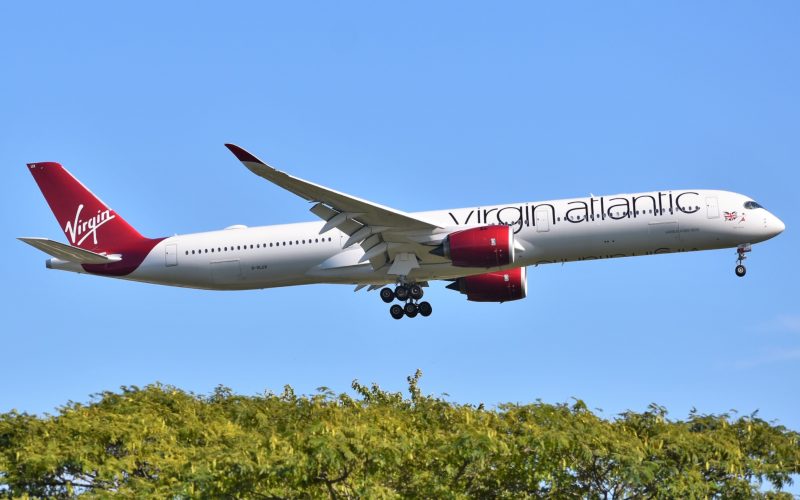
With the legal battles over, Gatwick is about to start talks with airlines about using its £2.2 billion second runway. Here is what the Gatwick second runway will add, when it could open, who pays for it and why airlines from as far as Brazil are already queuing for slots.
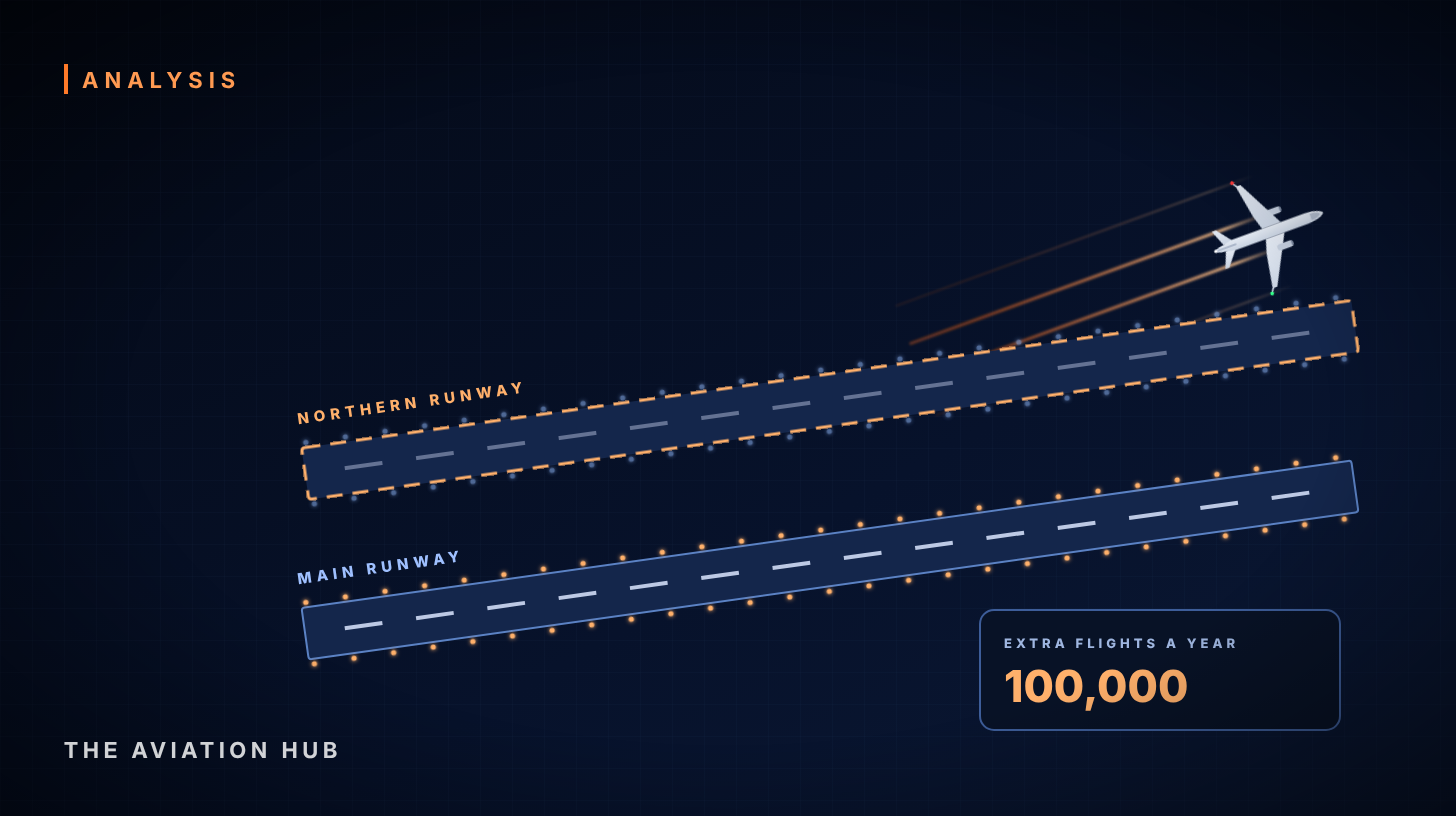
For years, the runway that will become the Gatwick second runway was a standby strip used only when the main runway was closed. Within a few years, it could be handling 100,000 extra flights a year.
The project has now moved from planning into design and delivery. Gatwick’s operator will approach current and prospective airline customers within weeks, the airport’s chair Stewart Wingate told the Airlines 2026 conference, according to FlightGlobal. He pitched the airport as a viable alternative to Heathrow.
How the Gatwick Second Runway Got Here
Approval came in stages. The Transport Secretary granted development consent in September 2025, and campaigners then challenged the decision in the courts.
In August, the Court of Appeal refused permission for the final appeals by campaigner Peter Barclay and the group Communities Against Gatwick Noise Emissions. The judges found each ground of appeal “unarguable”, according to Aviation Week.
What It Will Add
The plan moves the existing northern runway 12 metres north so it can be used at the same time as the main runway. Transport Secretary Heidi Alexander has said it will bring around 13 million more passengers and 100,000 more flights a year.
Gatwick handled 42.8 million passengers in 2025. With both runways in routine use, capacity could rise to as many as 80 million passengers a year, according to Aviation Week.
When It Could Open
The government says routine flights on both runways could begin in 2030. Gatwick has previously said it hopes to use the new runway before then, according to LBC.
That would put Gatwick years ahead of Heathrow, whose third runway is not expected until the 2030s at the earliest.
Who Pays
The £2.2 billion project will be privately financed. Gatwick has pledged to pay for it without raising charges to airlines, according to LBC.
That promise matters for fares. Airport charges are passed on to passengers through ticket prices, so a runway funded without higher charges should not add directly to the cost of flying from Gatwick.
Airlines Are Already Queuing
Demand for Gatwick slots is strong. Brazilian low cost airline GOL secured 372 of the 434 slots it requested at Gatwick this week, enough for up to six flights a week, according to CAPA. It received none of the slots it requested at Heathrow.
That pattern is likely to continue. Heathrow is full, and new airlines wanting to serve London increasingly look to Gatwick as the realistic option. A second runway would give it room to grow.
The Opposition Has Not Gone Away
Campaigners have lost in court, but local concerns remain. Opponents argue that more flights will mean more noise and higher emissions for the region.
The government concluded that the expansion would have moderately adverse effects but would not materially affect the UK’s net zero targets, according to LBC.
The Bottom Line
The Gatwick second runway is moving from approval to construction, and talks with airlines will start within weeks. If it opens by 2030, it will add up to 100,000 flights a year and transform Gatwick’s ability to compete with Heathrow.
For passengers, the benefits could include more routes, more competition and, if Gatwick keeps its promise on charges, no direct increase in fares to pay for it.
Continue to follow The Aviation Hub for more analysis and insight.
Advertise with us Your brand, in front of an aviation audience Home page and in-article placements, sold directly, one advertiser per slot. From £250 a year. See the rates