Willie Walsh, who became IndiGo chief executive in August, held his first in-person media briefing in Delhi on Monday 2 November, according to livemint and Skift. The session covered two topics that matter most to the airline's long-haul ambitions: when its Airbus A350s will arrive, and whether IndiGo will begin hedging its fuel costs.
IndiGo A350 Deliveries Locked In for 2028
IndiGo expects the first of its Airbus A350s to enter service in the second quarter of 2028, as livemint and Skift both reported from the briefing. That puts the airline roughly two and a half years away from operating widebody aircraft for the first time, a significant step for a carrier built on short-haul, point-to-point flying within India.
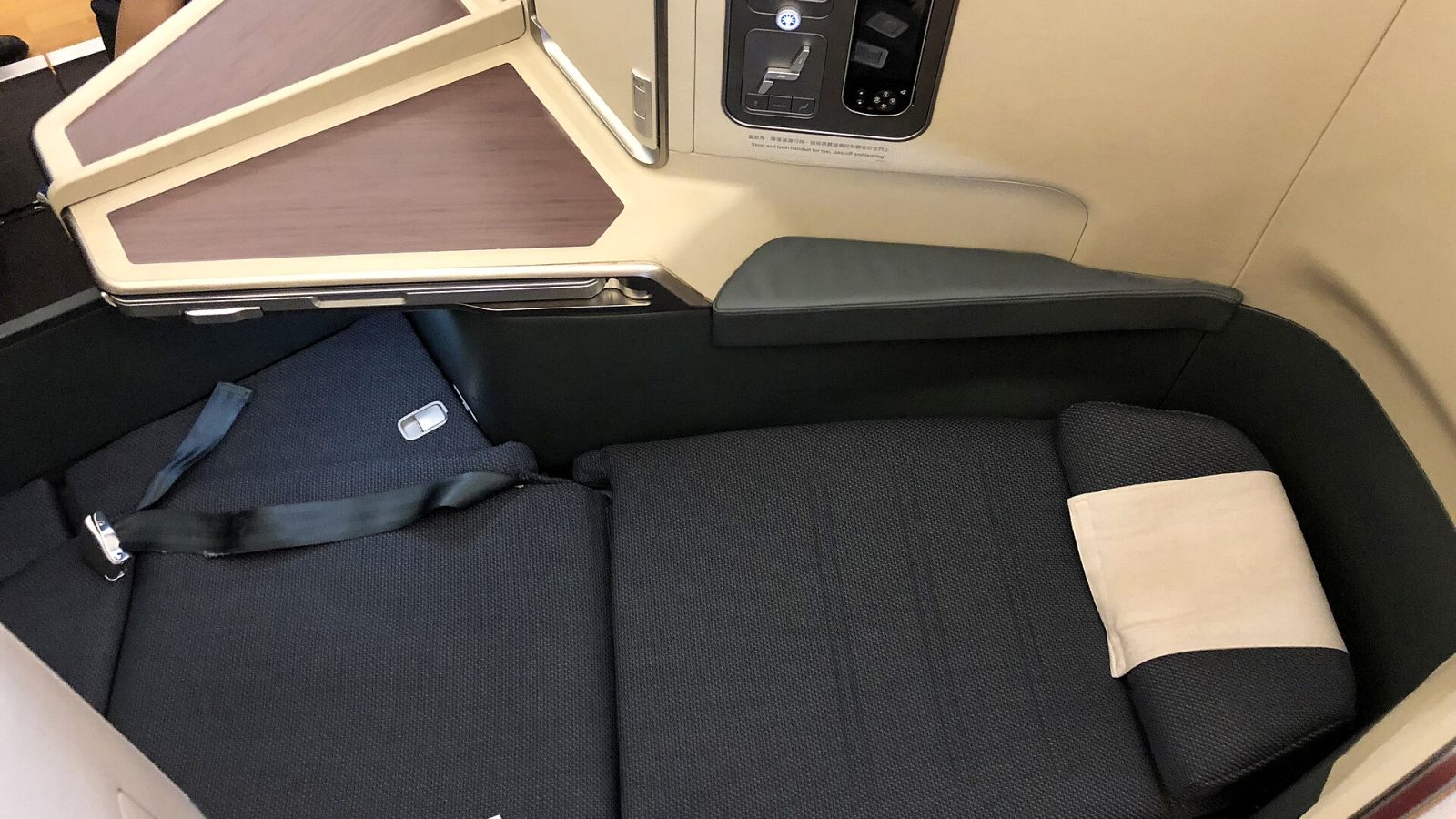
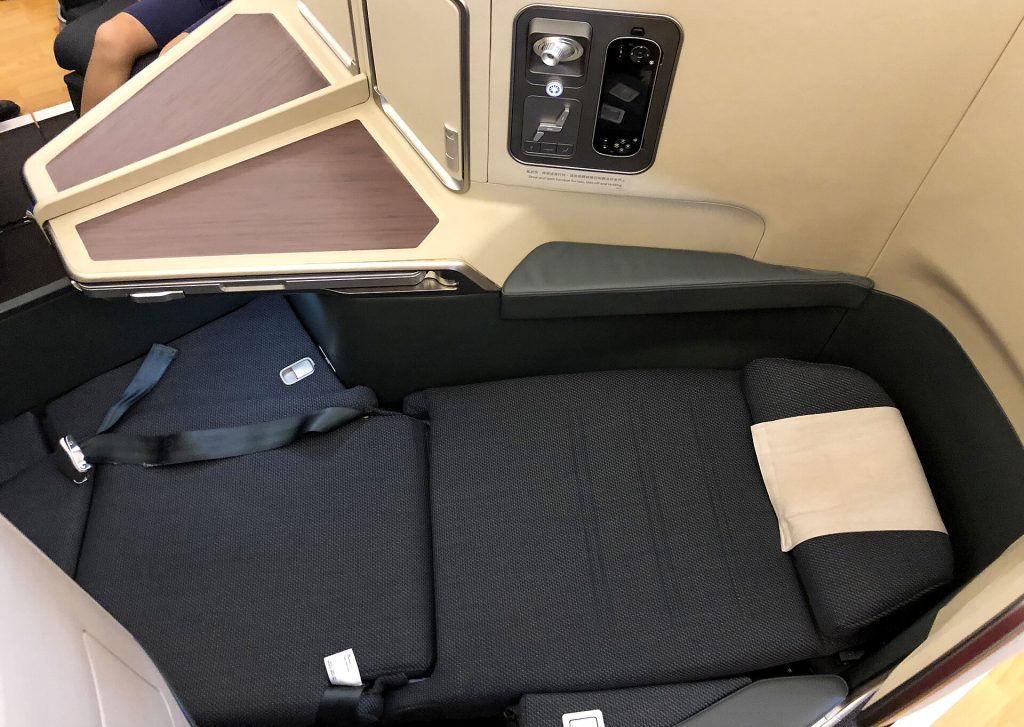
Livemint reports that the cabin configuration for the first 10 A350 aircraft has already been finalised. Those jets will carry three classes: 16 flat-bed business class seats, a premium economy cabin and economy. Livemint also reports that IndiGo may increase the number of flat-bed business class seats on aircraft delivered beyond that initial batch of ten, though no firm commitment was given.
Readers wanting background on the A350 programme and its operators can explore further through our Aircraft Search.
Fuel Hedging: A Review Before Any Decision
Walsh was equally direct on the fuel hedging question. IndiGo has no plans to begin hedging until a full policy review has been completed, according to livemint and Skift. Walsh told the briefing: "Hedging is about managing risk, it's not about taking a bet on what price fuel will be," and added, "We're not planning to hedge until we've completed that comprehensive review."
Skift reports that Walsh has taken the hedging question to the board, signalling that the review is a formal process rather than a holding position. Many Indian carriers have historically approached fuel hedging cautiously, and Walsh's framing suggests he wants a structured framework in place before committing the airline either way.
A Difficult Quarter in the Background
The briefing came against a challenging financial backdrop. Skift reports that IndiGo posted a loss of approximately INR 19 billion (around $197 million) in the September quarter. Walsh did not arrive at the top job in easy conditions: the airline is managing cost pressures and a fleet that is still growing, while planning the leap into long-haul flying that the A350 order represents.
For readers tracking IndiGo's progress and comparing it with other airlines building out long-haul networks, our Airline Search is a useful starting point.
The Bottom Line
The two headline points from Walsh's first briefing are clear enough. The A350s are on schedule for mid-2028, the three-class cabin is set for the first ten jets, and there is scope to expand the premium offering after that. On fuel, the airline will not act until its review is done, and that review now sits with the board.
What the briefing established, above all, is a CEO who is willing to give firm answers in public. After months in which IndiGo's direction on long-haul and cost management has been questioned, that clarity is itself news.
This article draws on reporting by livemint and Skift.
Continue to follow The Aviation Hub for more analysis and insight.
Advertise with us Your brand, in front of an aviation audience Home page and in-article placements, sold directly, one advertiser per slot. From £250 a year. See the rates