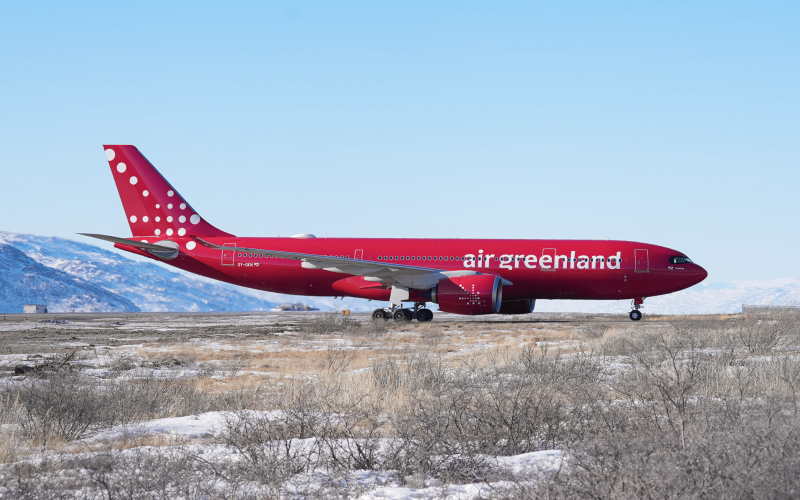
Perched on a ridge above the Aire valley, between the cities of Leeds and Bradford, Leeds Bradford Airport is the main air gateway for a county of more than five million people. It is the birthplace and headquarters of Jet2, and it sits higher than any other airport in England. Passenger numbers passed 4.2 million in 2024. Yet the airport has long punched below its catchment, held back by poor road access and an ageing terminal that has been the focus of a major refurbishment.
Leeds Bradford Airport at a Glance
The IATA code is LBA and the ICAO code is EGNM. The airport sits at Yeadon, about 7 miles (11 km) northwest of Leeds city centre and 9 miles (14 km) northeast of Bradford. Its elevation is 208 m (681 ft). There is one runway and a single terminal with two check in halls. Leeds Bradford Airport handled 4,222,487 passengers and 37,093 aircraft movements in 2024, according to the Civil Aviation Authority, making it the 13th busiest airport in the UK. Jet2 is the dominant airline, with Ryanair, TUI and Wizz Air also significant. Spain’s Aena took a 51 per cent stake from InfraBridge, formerly AMP Capital, in May 2026.

How Yorkshire’s Airport Came to Be
Leeds and Bradford councils bought the Yeadon site jointly in 1930. Leeds and Bradford Municipal Aerodrome opened on 17 October 1931, and for its first years it served mainly flying training and private aircraft. Scheduled flights began in April 1935. Locals still often call it Yeadon.
The Second World War transformed the site. Avro built a vast shadow factory beside the field, reportedly at the time the largest free standing structure in Europe. Its workers turned out Ansons and Lancasters, which flew straight off the airfield to RAF units. Earlier, in the 1930s, the airship Hindenburg had flown over the aerodrome on a flight later linked to espionage.
Peacetime growth was gradual. A Concorde charter in 1986 drew an estimated 70,000 people. Jet2 launched its first flights from Leeds Bradford Airport in 2003 and has grown into one of Britain’s largest leisure airlines. The old crosswind runway, 09/27, closed in October 2005.
Runways at Leeds Bradford Airport
One concrete runway, 14/32, handles all flights. It measures 2,250 m (7,381 ft) long and 46 m wide. That is adequate for Boeing 737s and Airbus A321s on European routes, but heavy long haul departures are restricted by the length and the hilltop elevation. The A658 Bradford to Harrogate road runs through a tunnel beneath the runway, a legacy of an earlier extension.
Weather is the big operational challenge. The exposed ridge is prone to low cloud, fog and strong crosswinds, and go arounds are not unusual in winter storms. In October 2023 a TUI Boeing 737 ran off the runway in heavy rain during Storm Babet, closing Leeds Bradford Airport for a short period. Night flights are capped, and in summer 2022 the airport breached its limit by 747 flights, drawing criticism from residents.
Terminals and Airlines
The single terminal has two check in halls. Hall B is used only by Jet2, and Hall A serves every other airline. There are just two air bridges, so most passengers walk or take a bus to their aircraft. The building suffered badly from congestion in 2022, when long security queues drew national criticism.
Jet2 runs a major base at Leeds Bradford Airport, with a large based fleet of Boeing 737s. Ryanair is the other major carrier, while TUI and Wizz Air expanded here after Doncaster Sheffield Airport closed in 2022. KLM links Yorkshire with Amsterdam Schiphol, giving business travellers onward connections worldwide.
Routes and Destinations
The network is overwhelmingly European and leisure focused. Spain, Portugal, Greece, Turkey and the Canary Islands dominate summer timetables, with Alicante, Malaga, Palma, Tenerife and Dalaman among the staples. Winter brings ski charters and more Canaries flying.
Wizz Air adds routes to Central and Eastern Europe, serving the region’s growing Central European communities. Dublin and Amsterdam are the key business links, and domestic routes are limited. There is no scheduled long haul service at present, although Bradford’s large Pakistani heritage community creates obvious demand. The airport’s 2030 vision aims to bring long haul flying back. Leeds Bradford Airport handles only a small volume of freight through two cargo sheds.
Getting to and from Leeds Bradford Airport
There is no rail station at the airport. Transdev’s Flyer buses, routes A1, A2 and A3, link the terminal with Leeds, Bradford, Harrogate and Otley. They connect with Leeds railway station, Bradford Interchange and Bradford Forster Square, and the Flyer to Leeds usually takes around 35 to 40 minutes. This is the cheapest sensible option.
The nearest station is Horsforth on the Harrogate line, a short taxi ride away. A parkway station near the airport has been proposed but not yet built. Road access relies on the A658 and A65, and there is no direct motorway link, so allow plenty of time at peak hours. About 7,000 parking spaces surround the terminal. Booking ahead usually saves money, and prices are listed on the airport’s official website.
Spotting and Photography
The hilltop setting makes for dramatic photographs, especially when aircraft climb out against the Yorkshire Dales. Public footpaths and lanes around the perimeter of Leeds Bradford Airport give good views of both runway ends. Runway 32 tends to be in use when the wind is from the west, which is the most common direction.
Jet2’s colourful red and white fleet is the mainstay, with Ryanair, Wizz Air and TUI adding variety. Light aircraft and business jets fill the gaps. Stay on public rights of way, do not park in field gateways or on narrow lanes, and respect any request from airport police.
What Comes Next
A new £150 million terminal was approved in 2021 but withdrawn in March 2022. In its place came LBA:REGEN, a scheme worth more than £100 million that began in autumn 2023. It refurbishes and extends the existing building rather than replacing it, and its new extension opened to passengers in 2025.
Ownership has also changed. In December 2025 the Spanish operator Aena agreed to buy a 51 per cent stake from InfraBridge, and the deal completed in May 2026. The 2030 vision targets seven million passengers a year. With Aena’s backing and Jet2’s loyalty, Leeds Bradford Airport finally has a realistic path to growth. See where it fits on the Airports of the World map.
Continue to follow The Aviation Hub for more analysis and insight.
Advertise with us Your brand, in front of an aviation audience Home page and in-article placements, sold directly, one advertiser per slot. From £250 a year. See the rates