
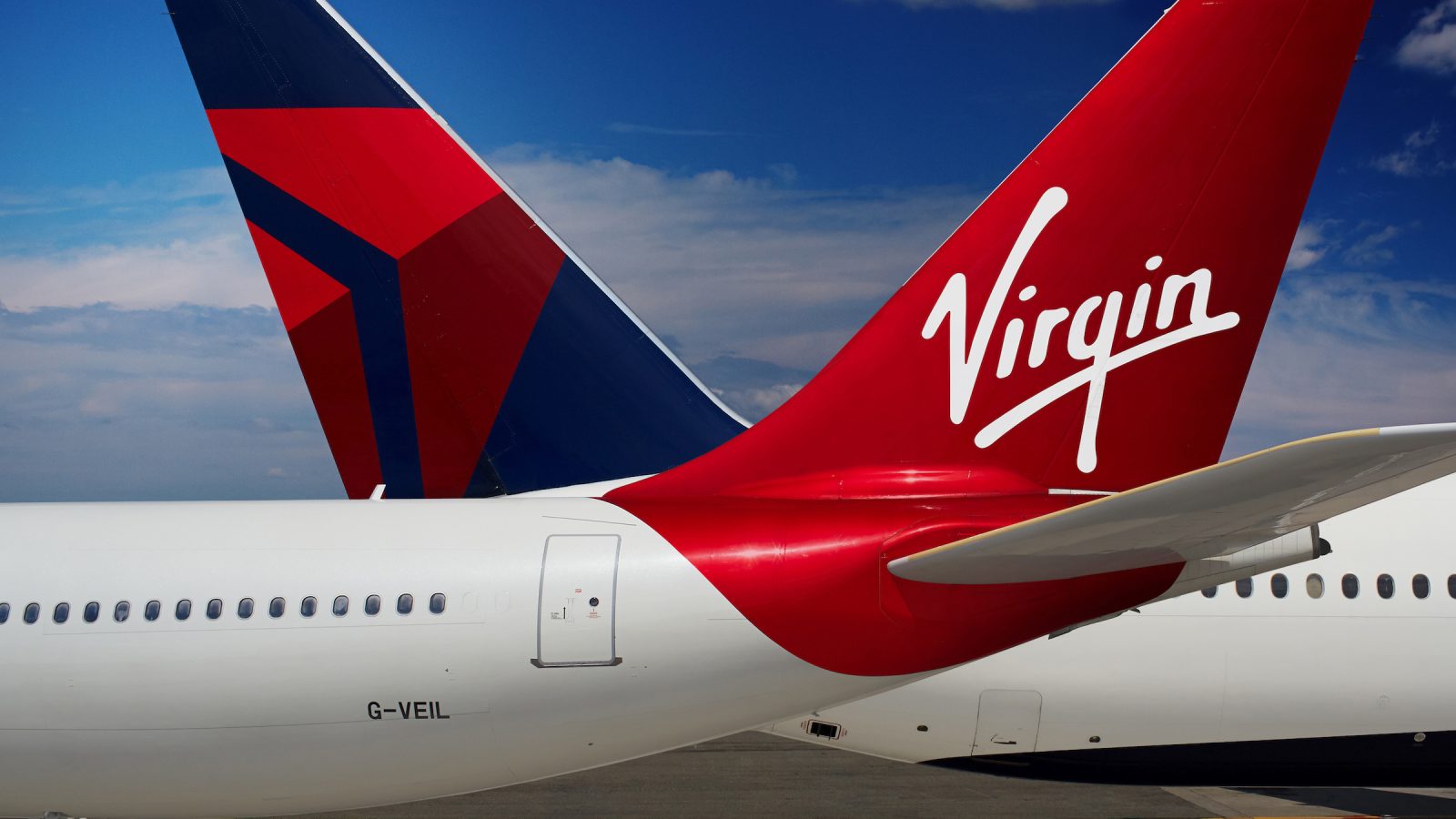
London Heathrow has decided to move Delta Air Lines out of Terminal 3 in 2028, separating the American carrier from its joint venture partner Virgin Atlantic.
The decision ends a decade of shared ground operations. It has also sparked a fierce public row between an airline and its home airport.
Heathrow shared the outcome of its terminal occupancy review with airlines on Tuesday 27 October, AeroCorner reports, after Sky News first broke the story.
Since then, Virgin Atlantic has gone on the offensive. Meanwhile, the airport insists the plan is about capacity rather than competition.
What London Heathrow Has Decided
Five airlines will change terminals in 2028. Delta, Finnair and Japan Airlines will move from Terminal 3 to Terminal 4. LATAM will relocate from Terminal 3 to Terminal 2. In addition, China Southern will leave Terminal 4 and join British Airways in Terminal 5.
The plan broadly follows alliance lines. Terminal 2 houses Star Alliance carriers, Terminal 3 is largely home to oneworld airlines, Terminal 4 hosts SkyTeam and Terminal 5 belongs to British Airways. As a result, Delta will sit alongside Air France and KLM, its other transatlantic joint venture partners. ADS Advance, citing Head for Points, reports that consultation on the changes has been running since 2023.
Virgin Atlantic, however, stays in Terminal 3. That leaves the partners in separate buildings for the first time since Delta completed its move into Terminal 3 in 2016, a brief pandemic detour aside, as View from the Wing recalls.
Why London Heathrow Says the Moves Are Necessary
Heathrow presents the reshuffle as a fix for chronic congestion. A spokesperson told The Times that the five moves will free up capacity across the terminals, ease crowding, improve passenger flow and help keep costs down, according to ADS Advance.
Airport sources also told Sky News that the chosen option required the fewest airline moves and the least capital spending. Furthermore, they claimed that airlines representing 81% of passengers supported it, as Live and Let’s Fly reports.
Those are serious arguments. Terminal 3 is crowded, and London Heathrow has no spare terminal to absorb future growth. Still, support weighted by passenger numbers tells us little about how fairly smaller carriers have been treated.
Virgin Atlantic Comes Out Fighting
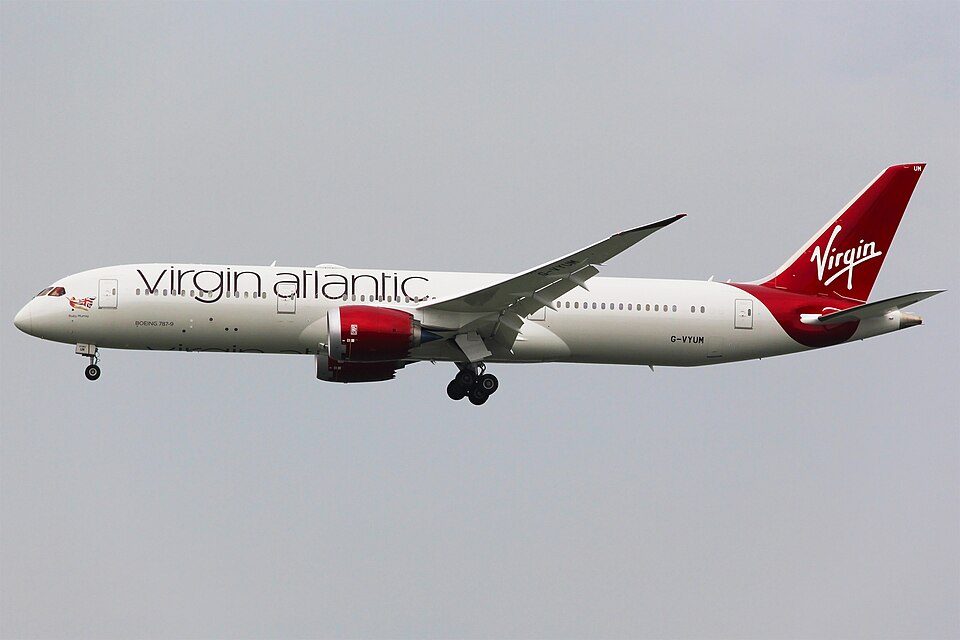
Virgin Atlantic has rejected the decision outright. Chief executive Corneel Koster said the split would “create friction for customers, weaken competition and reduce choice.” He also argued that no other major hub would force apart two closely integrated partners that already share a terminal.
Sir Richard Branson then joined Koster in The Sunday Times, describing the plan as “ill-judged and short-sighted” in comments reported by ADS Advance. Branson also warned that holding back the partnership could reduce customer choice and push fares higher.
Both carriers are now reviewing their legal options to appeal, Paddle Your Own Kanoo reports, citing Sky News. At the same time, SkyTeam has criticised Heathrow for leaving its 14 member airlines scattered across three terminals.
What Passengers Stand to Lose
The most visible casualty is the Virgin Atlantic Clubhouse. Today, eligible Delta passengers can use Virgin’s flagship lounge in Terminal 3, along with its Upper Class Wing. From 2028, that access disappears unless the airlines find a workaround.
Connections will also become harder. Delta operates 64 weekly flights into London Heathrow this month from seven US gateways, according to Cirium data published by ADS Advance. These include three daily flights from Atlanta, up to two daily from New York JFK and daily services from Detroit, Minneapolis and Seattle, with Boston and Salt Lake City completing the schedule.
Crucially, Delta times many of those arrivals to feed Virgin’s departures to Asia and Africa. Most connections should remain possible. However, passengers will need to take a bus between terminals and clear security again, which adds valuable time. Turning Left for Less notes that Terminal 4 sits roughly a mile from Terminal 3.
The biggest cost may sit behind the scenes. Live and Let’s Fly points out that the partners currently share staff for check in, gates and baggage. Splitting those teams will be expensive. Furthermore, rebooking passengers during disruption will soon mean a terminal change too.
Is London Heathrow Favouring British Airways?
Virgin’s strongest argument concerns China Southern. British Airways and China Southern run a joint business, and the reshuffle brings them together in Terminal 5. Meanwhile, Delta and Virgin lose the colocation they already enjoy.
That looks inconsistent. Yet scale matters. Delta runs 10 to 11 daily Heathrow flights, Live and Let’s Fly notes, while China Southern operates only two or three. Fitting a small operation into Terminal 5 is far simpler than relocating Delta.
The wider picture is also less one sided than it first appears. American Airlines flies from Terminal 3, while British Airways uses both Terminal 3 and Terminal 5. Consequently, many passengers on the rival transatlantic joint venture already change terminals. Finnair and Japan Airlines, both oneworld partners of British Airways, will also lose their Terminal 3 neighbours.
Terminal 4 Is Not the Whole Story
Terminal 4 carries a poor reputation, but it has improved. Air France opened a new lounge there in July with almost 150 seats, Live and Let’s Fly reports. Delta passengers will therefore have a credible premium option, even if it falls short of the Clubhouse.
There was also an alternative. According to View from the Wing, Heathrow apparently considered moving Virgin Atlantic to Terminal 4 alongside Delta. That would have kept the partners together. Even so, Virgin would have had to abandon its established Terminal 3 facilities.
What Happens Next at London Heathrow
Nothing changes for passengers before 2028. Nevertheless, the dispute is far from settled. Virgin Atlantic now faces a choice between a legal battle, a negotiated compromise or an expensive move of its own.
For London Heathrow, the stakes are reputational as well as operational. The airport needs to prove that it can allocate scarce capacity fairly. Virgin, by contrast, wants to show that the split hands an advantage to its largest rival.
In our view, both sides have a point. London Heathrow faces a genuine capacity problem, and every option creates losers. However, the airport has not yet clearly explained why one partnership gains colocation while another loses it. Until it does, accusations of favouritism will persist.
Continue to follow The Aviation Hub for more analysis and insight.
Advertise with us Your brand, in front of an aviation audience Home page and in-article placements, sold directly, one advertiser per slot. From £250 a year. See the rates