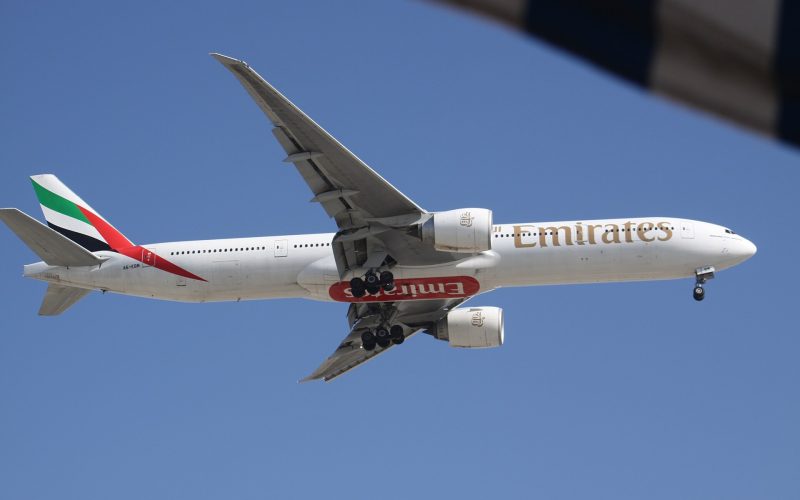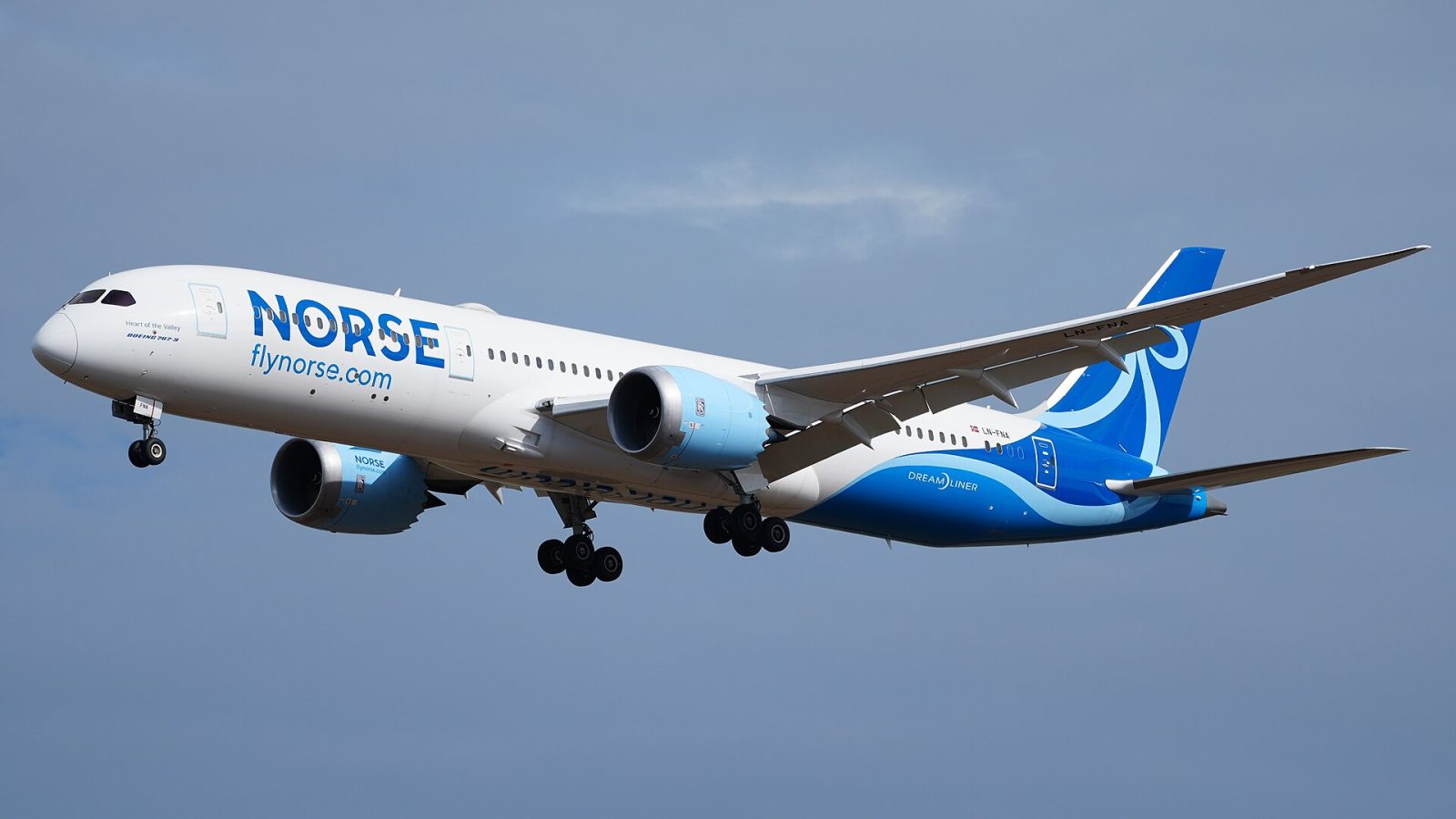
The long-haul low-cost model on the North Atlantic is entering its toughest winter in years. By late October 2026, Norse Atlantic will operate just one scheduled transatlantic route to the United States, and LEVEL will have suspended its Barcelona to San Francisco service. The question the industry is now asking is whether this represents a seasonal adjustment or something more structural.

What Norse and LEVEL Have Actually Done
The broad picture is not in dispute. TravelMole reports and Travelers Today confirms that Norse Atlantic will halt services on London Gatwick to New York JFK and Rome Fiumicino to New York JFK between 25 October and 27 March 2027. Each of those routes had been running three times a week aboard Boeing 787-9s. Once the suspensions come into force, TravelMole notes, the only scheduled transatlantic US service Norse will maintain through the winter is London Gatwick to Orlando.
LEVEL's situation is different in character but similar in outcome. Aerospace Global News reports that LEVEL, an IAG subsidiary operating long-haul low-cost services from Barcelona, is suspending its Barcelona to San Francisco flights because of an engine shortage. The airline's own statement attributed the move to operational pressures: "The suspension of the route Barcelona-San Francisco is due to an operational adjustment aimed at ensuring more consistent service for our customers in a context marked by a shortage in engine supply." Aerospace Global News also reports that LEVEL currently counts a fleet of seven Airbus A330 aircraft, and that the engine shortage limits the airline's options when capacity is unavailable.
The Financial Pressure Behind the Retreat
Norse's withdrawal from two North American routes does not happen in isolation from its financial position. Travelers Today reports that the carrier posted Q2 2026 revenue of $132 million alongside a net loss, with EBAR of negative $8.4 million. In response, Travelers Today also reports, Norse has launched a $50 million cost-reduction programme called Project Falcon.
Fleet management lies at the heart of that cost strategy. Travelers Today reports that six of Norse's 787-9s were placed with IndiGo under an ACMI arrangement, with those aircraft due back on 1 November. Leasing aircraft out brings in revenue, yet it simultaneously restricts which routes a carrier can operate. Focusing transatlantic flying on Orlando while pushing into Asian leisure markets represents a sensible answer to those limitations, even if it reveals how considerably the original budget transatlantic vision has been scaled back.
Where Norse Is Choosing to Fly Instead
Set against that Atlantic withdrawal is a purposeful push in a different direction. TravelMole and Travelers Today both confirm that Norse is increasing frequencies on London Gatwick to Phuket, bringing the route up to three times weekly, and lifting Manchester to Bangkok to four times weekly from December. Services from Oslo to Bangkok and Stockholm to Bangkok will climb to as many as five per week, with each of those cities also seeing extra flights to Phuket.
The pattern is telling. Long-haul leisure routes to South and South-East Asia carry a different cost and demand profile from transatlantic flying. Winter sun traffic from Northern Europe to Thailand is predictable and price-sensitive in a way that suits the low-cost model. The Atlantic in winter is more contested, with legacy carriers able to deploy loyalty programmes, corporate contracts and connecting traffic that an independent budget carrier cannot easily match.
What the A321XLR Changes, and What It Does Not
Any serious examination of long-haul low-cost's future on the Atlantic has to account for the Airbus A321XLR, now in early service. Aviacion al Dia reports that Iberia, the launch operator of the A321XLR, holds eight examples of the type and had logged more than 400 flights covering distances in excess of 5,000 km by July 2026. The aircraft carries a range of 4,700 nautical miles and, Aviacion al Dia reports, burns up to 30 per cent less fuel than the Boeing 757, a type whose production line closed in 2004.
Those economics carry real weight. A narrowbody capable of linking secondary European cities with the eastern seaboard of North America at markedly lower unit costs reshapes the thinking for carriers whose cabins hold 180 to 220 seats rather than the 300-plus a 787 demands. United Airlines Senior Vice President of Global Network Planning and Alliances Patrick Quayle set out his airline's view of the type's reach in plain terms: "The routes we are focusing on are Spain and France, which we consider comfortably within the aircraft's operational envelope."
The A321XLR is not, in itself, a rescue plan for the widebody low-cost model that Norse and LEVEL represent. Readers who want to track which carriers are taking the type can use our Aircraft Search to follow developments by aircraft type. The XLR suits network carriers and hybrid operators more naturally than pure long-haul low-cost widebody specialists, at least at this stage of its deployment.
Who Bears the Cost of the Long-Haul Low-Cost Contraction
For passengers, the retreat is most visible at the airports most exposed to budget transatlantic flying. London Gatwick loses two Norse routes for five months. Barcelona loses a key North American budget service. Travellers who built itineraries around low-cost transatlantic fares will either switch to legacy carriers at higher prices or reroute entirely.
Airports that positioned themselves as long-haul low-cost hubs face a harder question. Gatwick's transatlantic proposition rests partly on the argument that budget carriers can bring price-sensitive traffic that Heathrow does not serve. A thinner Norse schedule weakens that case, at least temporarily. The geopolitical and structural forces that shape which routes survive and which do not are themes we have examined before, including in our piece on aviation and Venezuela's closing sky.
The Bottom Line
The long-haul low-cost sector on the Atlantic is not dead, but winter 2026-27 is a moment of genuine consolidation. Norse is responding to financial pressure with Project Falcon and a strategic shift toward Asian leisure markets. LEVEL is constrained by fleet size and engine supply. Neither carrier is growing its North Atlantic footprint right now.
What to watch: whether the six Norse 787-9s returning from IndiGo in November are redeployed on Atlantic routes for summer 2027, and whether LEVEL names a date for resuming San Francisco. The A321XLR's early performance with Iberia will also matter, though its impact on the widebody low-cost market is likely to be gradual rather than immediate. The facts at this point support caution about declaring the model finished, and equal caution about declaring it recovered.
This article draws on reporting by Aerospace Global News, TravelMole, Travelers Today and Aviacion al Dia.
Continue to follow The Aviation Hub for more analysis and insight.
Advertise with us Your brand, in front of an aviation audience Home page and in-article placements, sold directly, one advertiser per slot. From £250 a year. See the rates