Update, 28 October 2026, 20:32
Update, [date]: One previously unreported operational detail is that boarding staff can issue gate announcements centrally from their tablets, without needing a fixed PA console, Future Travel Experience reports. That capability sits alongside the seat reservation, upgrade and rebooking functions already described, and means the tablet is the single point of control for both passenger transactions and gate communications.
On the question of what shapes any future rollout, Future Travel Experience adds a detail not previously reported: it is passenger feedback specifically, gathered during the live trial, that will determine which innovations are carried forward to other gates and other airport locations. That framing gives travellers using Gate A16 a more direct role in the outcome than earlier reporting suggested.
Fraport Chief Operating Officer Dietmar Focke has now extended his earlier public remarks. Future Travel Experience quotes him as saying: "Together with Lufthansa, we're demonstrating how a strong partnership can generate specific innovations that noticeably enhance the travel experience." The second half of that statement had not appeared in previous coverage.
Update, 28 October 2026, 16:23
Two named executives have now spoken publicly about the Gate of the Future project. Fraport Chief Operating Officer Dietmar Focke said, according to Aerospace Global News, "The future of travel is emerging not in the laboratory but in actual operation." Francesco Sciortino, Lufthansa Airlines board member and hub manager for Frankfurt Airport, is also identified by Aerospace Global News as a principal in the partnership.
One physical detail not previously reported is the inclusion of enclosed work cubes at Gate A16, alongside the sofas and flexible workstations already noted, giving passengers a greater range of seating environments within the redesigned area, Aerospace Global News reports.
On the question of what happens after the trial, Aerospace Global News reports that the findings from Gate A16 will determine which features are carried over to other gates at Frankfurt and potentially to other airports entirely, giving the trial a scope that extends well beyond Terminal 1.
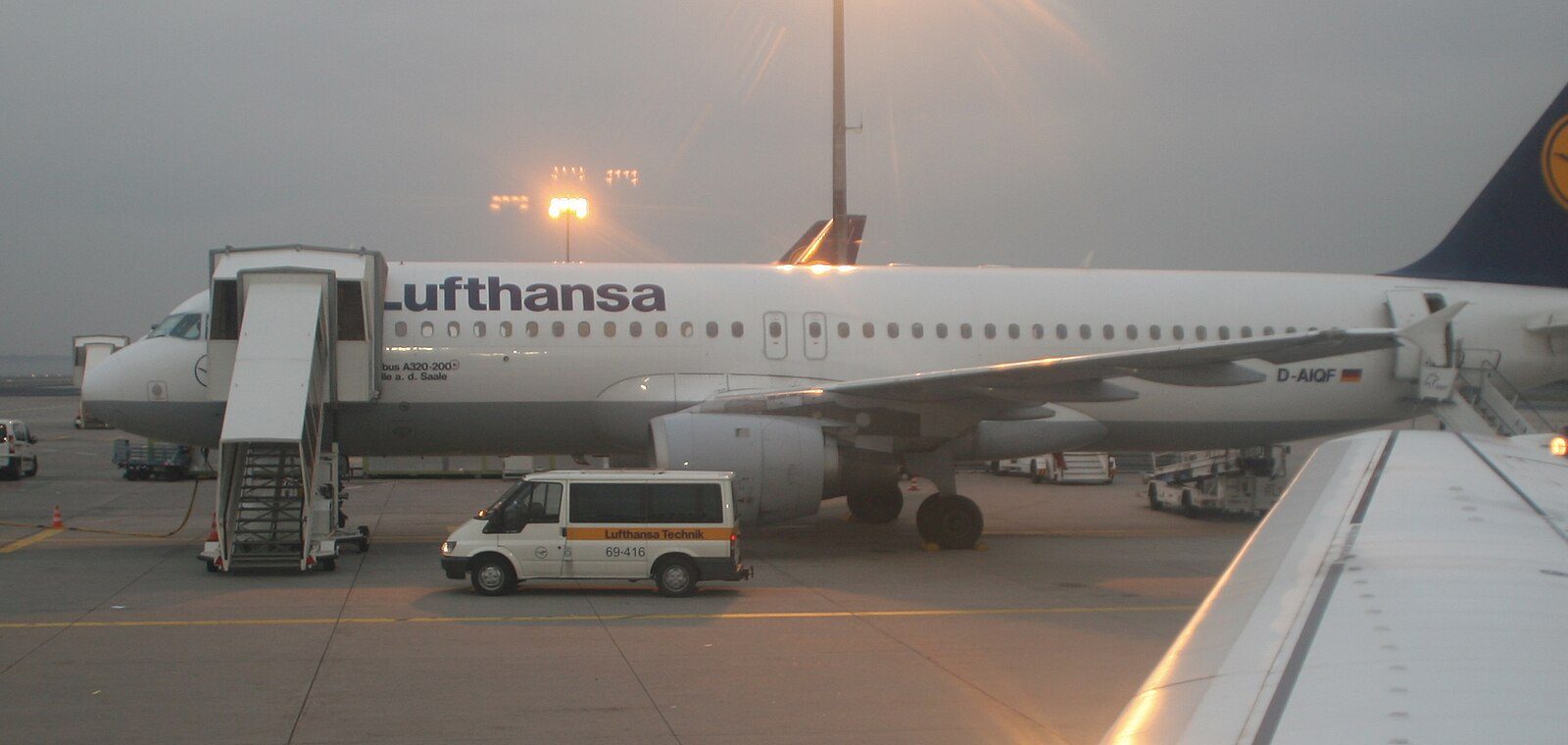
Lufthansa and Fraport have opened a redesigned departure gate at Frankfurt Airport (FRA) that removes fixed service counters entirely, replacing them with mobile staff equipped with tablets and a refurbished passenger waiting area at Terminal 1, Gate A16.
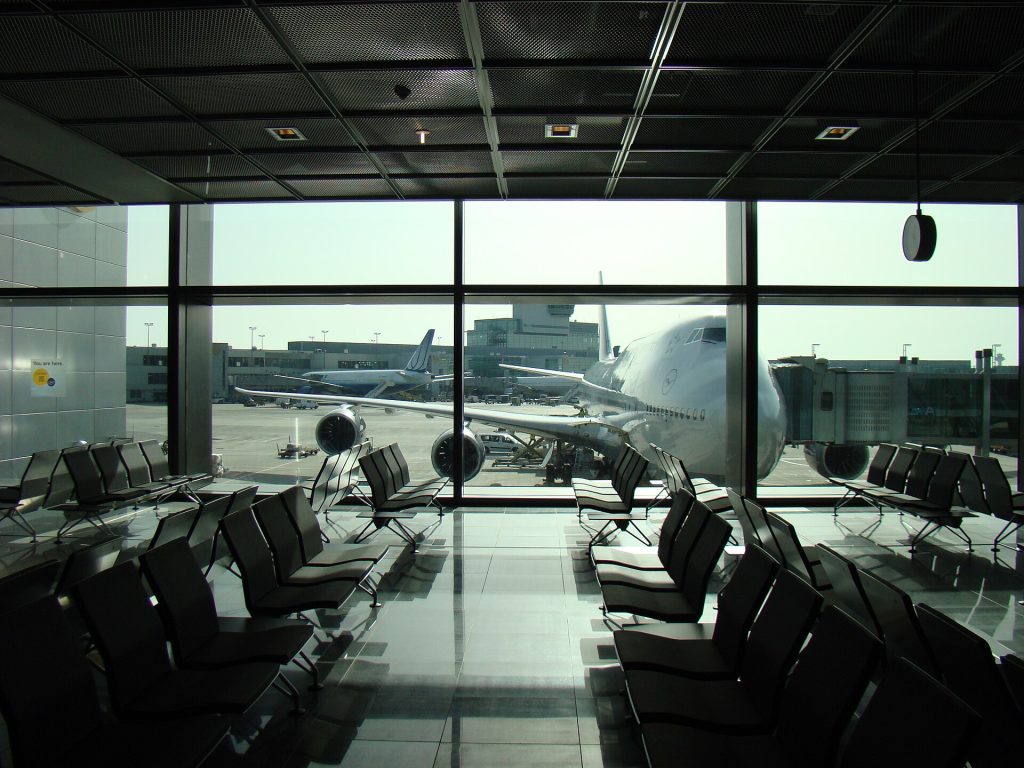
The concept, which the two partners have named Gate of the Future, represents a meaningful shift in how ground handling is delivered at one of Europe's busiest hubs. Rather than directing passengers to a fixed desk, staff circulate through the gate area and approach travellers directly.
What Has Changed at Frankfurt Airport's Gate A16
The physical layout has been overhauled alongside the service model. According to Aviation24.be, the waiting area now includes sofas, artwork and individual work spaces, moving away from the standard rows of fixed seating that characterise most airport departure gates.
Oversized wall screens and 360-degree displays keep travellers informed of flight times, boarding progress, carry-on baggage rules and any changes to gate assignments, ensuring a steady stream of updates without the need to queue at a staffed desk.
How the Tablet System Works
Each member of staff carries a single tablet that connects to boarding systems and gate announcement functions. Aviation24.be reports that the interface allows ground crew to handle seat assignments, upgrades and rebooking on the spot, wherever a passenger happens to be sitting.
For passengers who prefer to handle their own travel arrangements rather than speak to an agent, QR codes positioned throughout the gate area offer a straightforward route into digital self-service tools, among them the Lufthansa app.
[SHOP]
What This Means for Passengers
The practical effect is that passengers who need help no longer have to queue at a desk. A staff member can come to them, carry out the transaction and move on. For those who do not need assistance, the digital displays and QR-linked self-service tools are intended to reduce the need for interaction altogether.
Whether the redesigned seating and workspace environment meaningfully improves the experience during delays or long boarding waits is something the trial period should reveal. The gate currently handles normal scheduled operations, which means the concept is being tested under real conditions rather than in isolation.
The Evaluation Ahead
Lufthansa and Fraport will assess the concept through live operations before reaching any conclusions about rolling it out more broadly across the terminal or the wider Frankfurt Airport network. No evaluation timeline or measurable performance benchmarks have been made public.
The absence of a rollout schedule is deliberate. Both parties appear to want operational evidence before committing to further investment, which is a sensible position given the scale of change a full terminal conversion would involve.
The Bottom Line
The Gate of the Future trial is a small but tangible test of whether the traditional airport service counter still has a place at a major hub. Frankfurt Airport is an appropriate setting: it handles significant connecting traffic, and gate congestion is a familiar frustration for passengers transiting through Terminal 1.
The outcome of the trial at Gate A16 will matter beyond Frankfurt. If Lufthansa and Fraport conclude that mobile staff and digital displays perform as well as fixed counters, other carriers and airport operators will take note. For now, the evidence is still being gathered.
You can follow Lufthansa's wider network activity using our Airline Search tool.
Continue to follow The Aviation Hub for more analysis and insight.
Advertise with us Your brand, in front of an aviation audience Home page and in-article placements, sold directly, one advertiser per slot. From £250 a year. See the rates