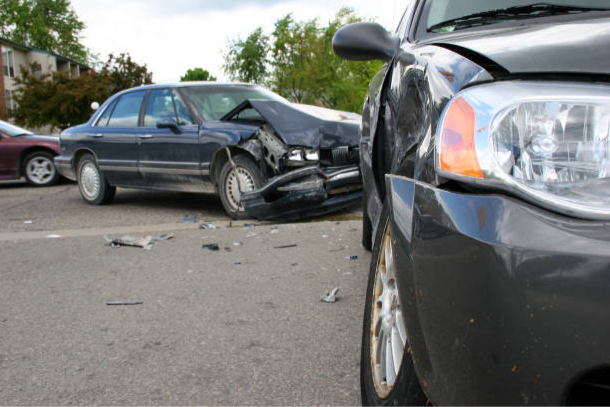

Manchester Airport traffic reached its worst levels of the year in September, with taxi firms and private hire drivers reporting waits of up to 30 minutes to reach the terminal forecourt, despite July and August carrying higher overall passenger numbers.
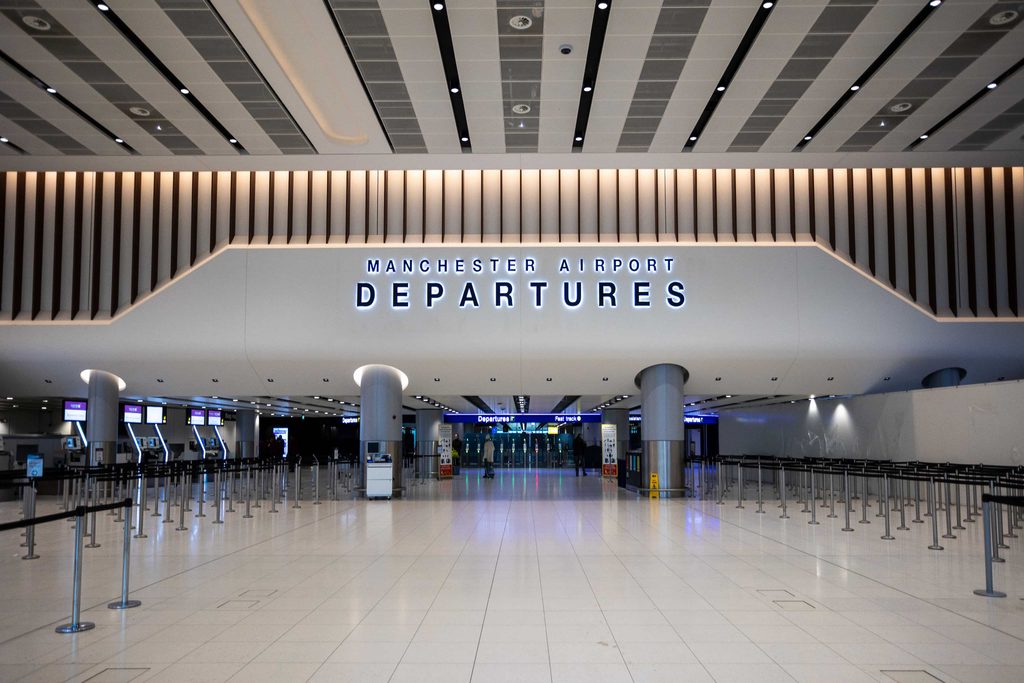
The congestion caught many drivers off guard. Summer is widely understood to be the peak travel season, so roads quietening down once schools return in early autumn might seem a reasonable expectation. According to the Manchester Evening News, that expectation turns out to be wrong.
Why September Generates More Cars Than Summer
The airport’s own explanation centres on passenger type rather than passenger volume. A spokesperson told the Manchester Evening News: “Although July and August are the busiest months at the airport in terms of passenger numbers, September is the busiest month for car park bookings and, as a result, traffic around the airport campus.”
The reason comes down to group size. In summer, the majority of travellers are families, typically arriving three, four or more to a car. Once schools return, the mix shifts sharply toward solo travellers and couples taking advantage of shoulder season deals.
As the airport puts it: “The ratio of people to cars goes down and increases the overall number of cars on site.” Fewer people per vehicle means more vehicles overall, even when total passenger numbers are lower.
The Shoulder Season Effect
September marks the start of what the travel industry calls shoulder season, the period in autumn and spring when prices are lower and popular European destinations offer pleasant weather without the extreme heat of July and August. Demand during this window surges among couples, solo travellers and anyone without school-age children.
That combination of competitive fares and agreeable conditions makes September one of the most popular months for a certain type of traveller. The result, as Manchester Airport has now acknowledged, is a predictable spike in car traffic that the road network struggled to absorb.
What Drivers Experienced in Manchester Airport Traffic
Blackpool-based taxi firm Mark’s Taxis posted images of the congestion on TikTok on 25 September with the caption: “Another day another complete shambles at Manchester Airport. It has taken 20 minutes to get out of the T2 drop area due to the traffic.” The post was one of several that circulated on social media during the period.
A Manchester Airport spokesperson said there had been traffic issues caused by “a range of factors” and confirmed that measures were taken to help traffic flow, which has since returned to normal.
How the Airport Responded
Once the scale of the problem became clear, Manchester Airport deployed extra traffic marshals and worked alongside Transport for Greater Manchester to adjust the timing of traffic lights in the surrounding area.
The airport subsequently analysed data from automatic number plate recognition (ANPR) cameras to measure journey times from the M56 motorway spur to Terminal 2. According to the airport’s spokesperson, as reported by the Manchester Evening News, the average time from the M56 spur to the Terminal 2 forecourt dropped significantly after the first two weeks of September and now stands at around four minutes and thirty seconds.
The ANPR data shows that at no point has the journey time to the upper forecourt exceeded 820 seconds (13.5 minutes), or 500 seconds (8.3 minutes) to the lower forecourt. Current averages are 350 seconds (5.8 minutes) to the upper forecourt and 150 seconds (2.5 minutes) to the lower.
Alternatives the Airport Is Urging Passengers to Use
Manchester Airport says passengers can reduce pressure on the forecourt by using a free drop-off area next to JetParks 1 off Thorley Lane. The airport also points out that it is the only airport in the UK with a train, tram and bus station on-site, and that the Bee Network has made public transport a more practical option for many travellers.
The spokesperson added: “We also urge passengers to look at ways in which they can avoid having to use our forecourt drop off areas.” Planning a transfer by rail or tram rather than a private hire vehicle would reduce both congestion and journey uncertainty.
You can use our Airline Search tool to check which carriers operate from Manchester and explore public transport connections for your next departure.
What Happens Next
The airport has committed to a full review of its road network and traffic arrangements across the campus. It also plans to continue working with Transport for Greater Manchester and said it is “carrying out an extensive review of the system to identify ways of mitigating these issues in future.”
Looking further ahead, the airport said it is working with government and rail providers to see that promised improvements to rail connectivity across the North are delivered. Better rail links would, in theory, reduce the proportion of passengers arriving and departing by private car.
The Bottom Line
Manchester Airport traffic is at its heaviest in September not because more people are flying, but because more of them are travelling alone or in pairs, each in their own vehicle. The mismatch between public expectation and operational reality caught both drivers and the airport off guard this year.
The measures taken after the first two weeks of September appear to have brought journey times down to manageable levels. Whether next September sees a repeat will depend on how effectively the airport can translate its review into lasting changes to road management and passenger behaviour.
Continue to follow The Aviation Hub for more analysis and insight.
Advertise with us Your brand, in front of an aviation audience Home page and in-article placements, sold directly, one advertiser per slot. From £250 a year. See the rates