Every nervous flyer knows the feeling. The engines change note, the seatbelt sign pings on and the stomach tightens.
However, the data tells a very different story from the one that fear tells.
This analysis examines why fear of flying persists while aviation keeps getting safer, and what actually helps.
Why A Nervous Flyer Is Far From Alone
Fear of flying is common.
In fact, a YouGov survey found that it affects nearly one in six people across the UK.
As a result, most full flights carry dozens of anxious passengers.
Some grip the armrest in silence. Others avoid flying altogether, and therefore miss holidays, weddings and job opportunities.
A nervous flyer is therefore not unusual, irrational or weak. The fear is real. However, the danger it points to is not.
What The Safety Data Shows
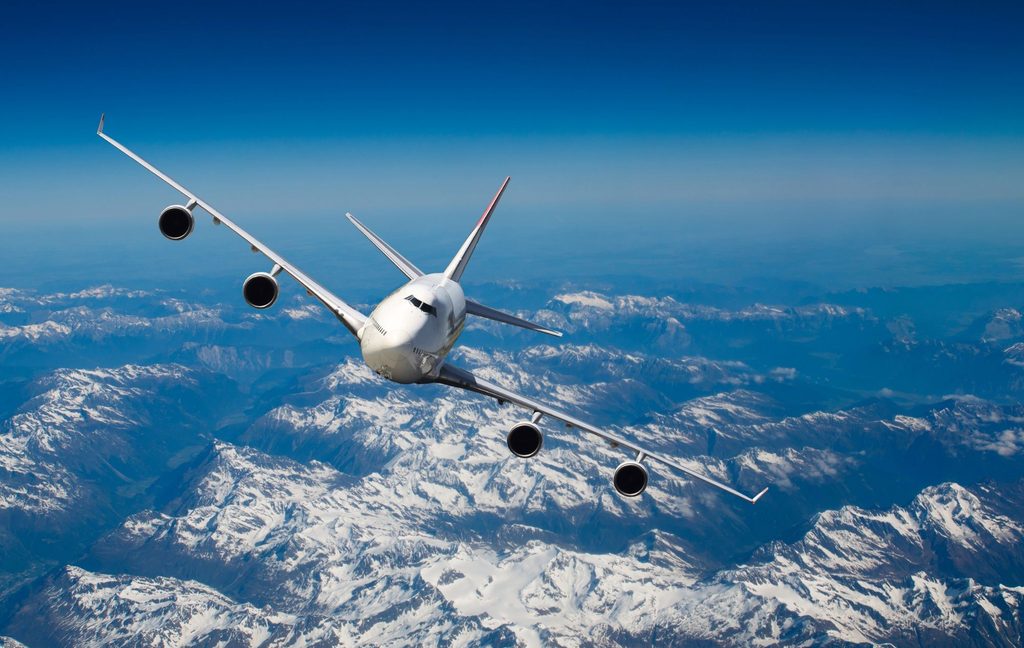
The International Air Transport Association publishes a safety report every year.
Its report for 2025 recorded 38.7 million flights and 51 accidents of all kinds. However, only eight of those accidents involved loss of life.
Over the five years from 2021 to 2025, the industry recorded one fatal accident for every 5.6 million flights.
By comparison, a decade earlier the figure stood at one for every 3.5 million.
Put another way, a passenger could take one flight every day for more than 15,000 years before expecting to board a flight that suffers a fatal accident.
Similarly, researchers at the Massachusetts Institute of Technology measured the risk from the passenger’s seat.
Their study put the worldwide risk of death at one in 13.7 million boardings between 2018 and 2022.
For the UK, the European Union, the United States and countries with similar records, the figure was about one in 80 million.
In addition, the same study found that the risk has halved roughly every decade since the 1960s.
A Difficult Year Did Not Change The Trend
Honest analysis must include the bad news.
First, the 2025 figures were worse than those for 2024.
IATA recorded 394 deaths on board, and the year included fatal accidents in Washington and Ahmedabad that led news bulletins around the world.
Those events matter, and investigators study every one of them. However, a single year does not reverse six decades of improvement.
Instead, the five year average still shows a safer industry than at any earlier point in its history.
Meanwhile, the road to the airport remains the riskier part of the journey.
The Department for Transport recorded 1,602 deaths on roads in Great Britain in 2024 alone.
Why Statistics Rarely Calm A Nervous Flyer
Friends and family often quote these numbers to a nervous flyer.
They mean well. However, they rarely succeed.
Fear does not read statistics.
Instead, it responds to signals, and an aircraft cabin sends several at once.
Passengers sit high above the ground, enclosed, with no control over what happens next.
Psychologists also point to the availability heuristic.
The brain judges risk by how easily it can picture an example. Accidents produce vivid images that lead the news for days.
In contrast, the roughly 100,000 flights that land safely every day produce none.
The Aviation Hub sees this from the inside.
Our incident reports attract far more readers than any story about a routine arrival.
As a result, the anxious mind holds a library full of things going wrong and nothing going right.
The Noises That Trigger The Fear
For many passengers, the trigger is not a statistic at all. It is a sound.
For example, the engines go quieter about a minute after takeoff.
That change feels alarming, but it simply marks the crew reducing power once the aircraft has climbed away.
Similarly, a barking noise beneath the floor of an Airbus A320 is a hydraulic unit balancing pressure.
A thump after takeoff is the landing gear folding into its bay.
Turbulence causes the most worry of all.
Pilots, however, treat it as an inconvenience.
In the United States, regulators recorded 34 serious turbulence injuries to passengers between 2009 and 2022, and investigators found that most of those passengers were not wearing a seatbelt.
Fear thrives in these gaps, because when a noise has no explanation, the mind supplies the worst one available.
How A Nervous Flyer Can Close The Gap

Knowledge closes those gaps. That is why The Aviation Hub has published The Nervous Flyer’s Guide To What’s Actually Happening.
The 100 page digital guide follows a normal flight in order, from the gate to the gate.
Eleven chapters explain every sound, sensation and decision along the way, including what the crew are doing and what protects passengers at each stage.
It also deals honestly with the events that worry people most.
For example, readers learn why go arounds, diversions and emergency calls show the safety system working instead of failing.
A dedicated chapter sets out the safety numbers, and every figure carries a named source.
Furthermore, the guide includes quick reference pages called What Was That Noise, a printable calm flight checklist and practical techniques for before, during and after the flight.
Readers can keep those pages on a phone or print them for hand luggage.
The guide costs £0.99 as an instant download from The Aviation Hub shop.
For any nervous flyer with a trip in the diary, it offers a low cost way to replace guesswork with explanation.
When Information Is Not Enough
Knowledge helps most anxious passengers a great deal.
For some, however, the fear runs deeper than information can reach.
Anyone whose fear of flying causes panic attacks or stops them travelling should speak to a GP.
In addition, cognitive behavioural therapy and fear of flying courses help many people. The guide informs, but it does not replace medical advice.
What This Means For Your Next Flight
The evidence points in one direction.
Commercial aviation is the safest form of long distance travel, and it keeps improving.
However, the gap between that record and the way flying feels explains why so many people struggle.
After all, feeling unsafe and being unsafe are two different things.
A nervous flyer cannot switch the alarm off with willpower.
Understanding each stage of the flight, however, gives that alarm less to react to. As a result, the journey becomes calmer.
Continue to follow The Aviation Hub for more analysis and insight.
Advertise with us Your brand, in front of an aviation audience Home page and in-article placements, sold directly, one advertiser per slot. From £250 a year. See the rates