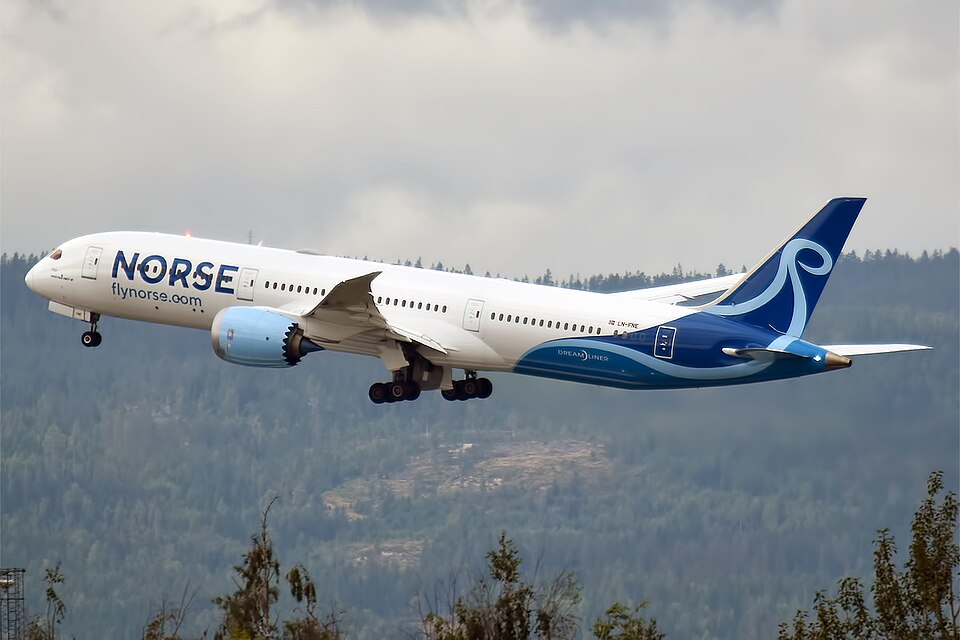
Norse Atlantic Airways has filed for bankruptcy in Norway and cancelled every flight. Passengers in London, Orlando and Thailand are now searching for a way home. Here is how the Norse Atlantic bankruptcy unfolded, why the airline ran out of money and what passengers can do now.
The Norse Atlantic bankruptcy became official on Friday 27 November. The board of Norse Atlantic Airways AS, the Norwegian operating company, filed with the Agder District Court, the company announced. The court will now appoint a trustee to run the process.
All Norse flights are cancelled, and ticket sales have stopped. However, the listed parent company, Norse Atlantic ASA, and its UK subsidiary are not part of the filing. Both are still looking for a way to keep the remaining business alive.
Chief executive Eivind Roald said the board took the difficult decision despite extensive efforts to find a solution. He said the airline was “deeply sorry” for the impact on passengers, employees and partners.
How the Norse Atlantic Bankruptcy Unfolded
The collapse behind the Norse Atlantic bankruptcy took just three days. On Wednesday 25 November, Norse warned investors that its financial situation was critical, Travelers Today reports. Its shares fell 54%, and Pakistan International Airlines cancelled two flights that Norse was operating on its behalf.
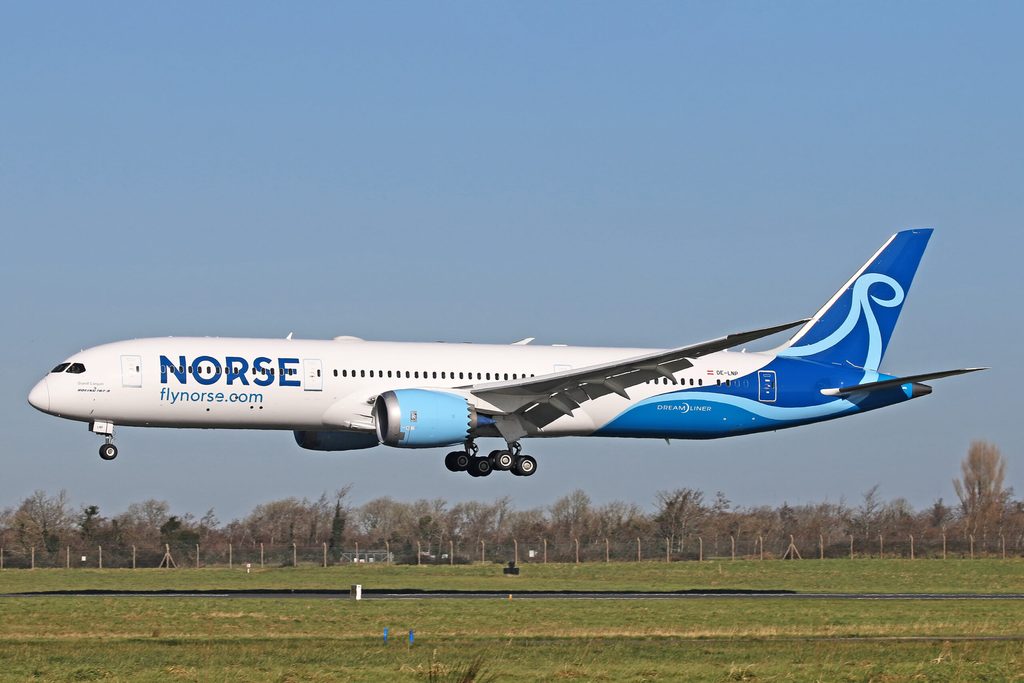
On Thursday, Norse suspended all flights while it tried to find a workable financing solution. Then, on Friday morning, its lessors terminated the leases on all 12 of its Boeing 787s and demanded their return, a move the company disputes. The board filed for bankruptcy that afternoon.
The UK Civil Aviation Authority told passengers not to go to the airport, TTG reports. Flights from London Gatwick to Orlando, Bangkok, Phuket and Cape Town are all cancelled.
Five Years Without an Annual Profit
Norse launched with a simple idea. Founder Bjørn Tore Larsen set up the airline in February 2021, with Norwegian founder Bjørn Kjos among its minority shareholders, according to Wikipedia. It leased Boeing 787s from AerCap and BOC Aviation, many of them previously flown by Norwegian.
The first flight left Oslo for New York JFK on 14 June 2022. The airline later added Gatwick, Paris, Rome, Athens, Los Angeles, Orlando, Bangkok and Cape Town.
Yet profits never followed, and that is where the Norse Atlantic bankruptcy really began. Norse lost NOK 1.27 billion in 2022, and in 2023 it lost US$168.6 million on revenue of US$439.4 million. In total, it built up accumulated losses of more than US$540 million and never reported an annual profit, Travelers Today reports.
The founder kept the airline going. In November 2024, a vehicle linked to Larsen injected about US$15 million in new shares and loans, FlightGlobal reported.
Why the Norse Atlantic Bankruptcy Happened
Fuel delivered the final blow. Jet fuel prices more than doubled after the Iran conflict began, Airways Magazine reported in April, citing Reuters.
For a low cost airline flying long routes, fuel is one of the biggest costs. In the second quarter, Norse’s fuel costs rose 92% year on year, and it cut its scheduled flying by 64%, Aviation News reported. Even with cabins 94% full, the airline lost US$94.6 million in the first half.
Norse also borrowed heavily to stay afloat. In April, it announced a US$110 million rights issue and a US$70 million bridge loan, and withdrew its 2026 outlook. Then, in August, it secured a further US$52 million facility at a fixed interest rate of 15%.
The Leasing Plan That Fell Apart
Norse had tried to change its business model. In 2024, Larsen set out a new goal, FlightGlobal reported. By 2026, he wanted an even split between Norse’s own routes and flying for other airlines.
At first, the plan worked. Norse leased six 787s, with crews, to India’s IndiGo. That put about half its fleet on long term contracts, which the airline said reduced its exposure to fuel prices and swings in demand.
However, the IndiGo deal ended early, with airspace disruption and higher fuel prices linked to conflict in the Middle East cited as reasons. The aircraft returned just as Norse was cutting its own network. It suspended Los Angeles in April, and dropped New York for the winter from 25 October, AeroRoutes reported.
By November, Orlando was its only US route. Meanwhile, a search for a buyer or merger partner, launched with a target of completing by the end of 2026, failed to produce money in time. That failure made the Norse Atlantic bankruptcy almost inevitable.
What the Norse Atlantic Bankruptcy Means for Passengers
If the Norse Atlantic bankruptcy has cancelled your flight and you paid by credit card, ask your card provider about Section 75 of the Consumer Credit Act. It covers qualifying purchases between £100 and £30,000. If you paid by debit card, ask about a chargeback instead.
The CAA also advises passengers to check whether they bought airline failure insurance, Travel PR News reports. Anyone who booked through a travel agent or ABTA member should contact that company first.
Passengers without card or insurance protection must claim through the Norwegian insolvency process. Unfortunately, ticket holders are unsecured creditors, so they are usually paid last, TheStreet reports.
Keep every booking confirmation and receipt, including for replacement flights. One traveller stranded in Bangkok found alternative fares home to Oslo costing NOK 7,000 to 20,000, Travelers Today reports.
Is Low Cost Long Haul Doomed?
The Norse Atlantic bankruptcy is the latest in a long line of failures. WOW air collapsed in 2019, and Norwegian abandoned long haul flying in 2021. More recently, Iceland’s Play Airlines shut down in September 2025.
The pattern is familiar. Widebody jets are expensive to lease whether they fly full or not. Transatlantic demand drops sharply in winter, and low fares leave little room to absorb a spike in fuel prices. As a result, one bad shock can wipe out years of progress.
What Happens Next
Following the Norse Atlantic bankruptcy, a trustee will now take control of the Norwegian operating company. Meanwhile, Norse Atlantic ASA says talks continue with several parties about the UK business, although with all flights cancelled, a rescue looks difficult.
The 787s are unlikely to stay parked for long. With Boeing and Airbus both behind on widebody deliveries, AerCap and BOC Aviation should find new operators for them quickly.
The Bottom Line
The Norse Atlantic bankruptcy ends a five year attempt to make low cost transatlantic flying pay. Heavy losses, a fuel price shock, a failed leasing deal and an unsuccessful search for a buyer left the airline without enough cash.
For passengers, the priority is claiming money back through cards, insurers or agents. For the industry, Norse is another reminder that low fares and long routes rarely mix for long.
This article is for information only and is not investment advice.
Continue to follow The Aviation Hub for more analysis and insight.
Advertise with us Your brand, in front of an aviation audience Home page and in-article placements, sold directly, one advertiser per slot. From £250 a year. See the rates