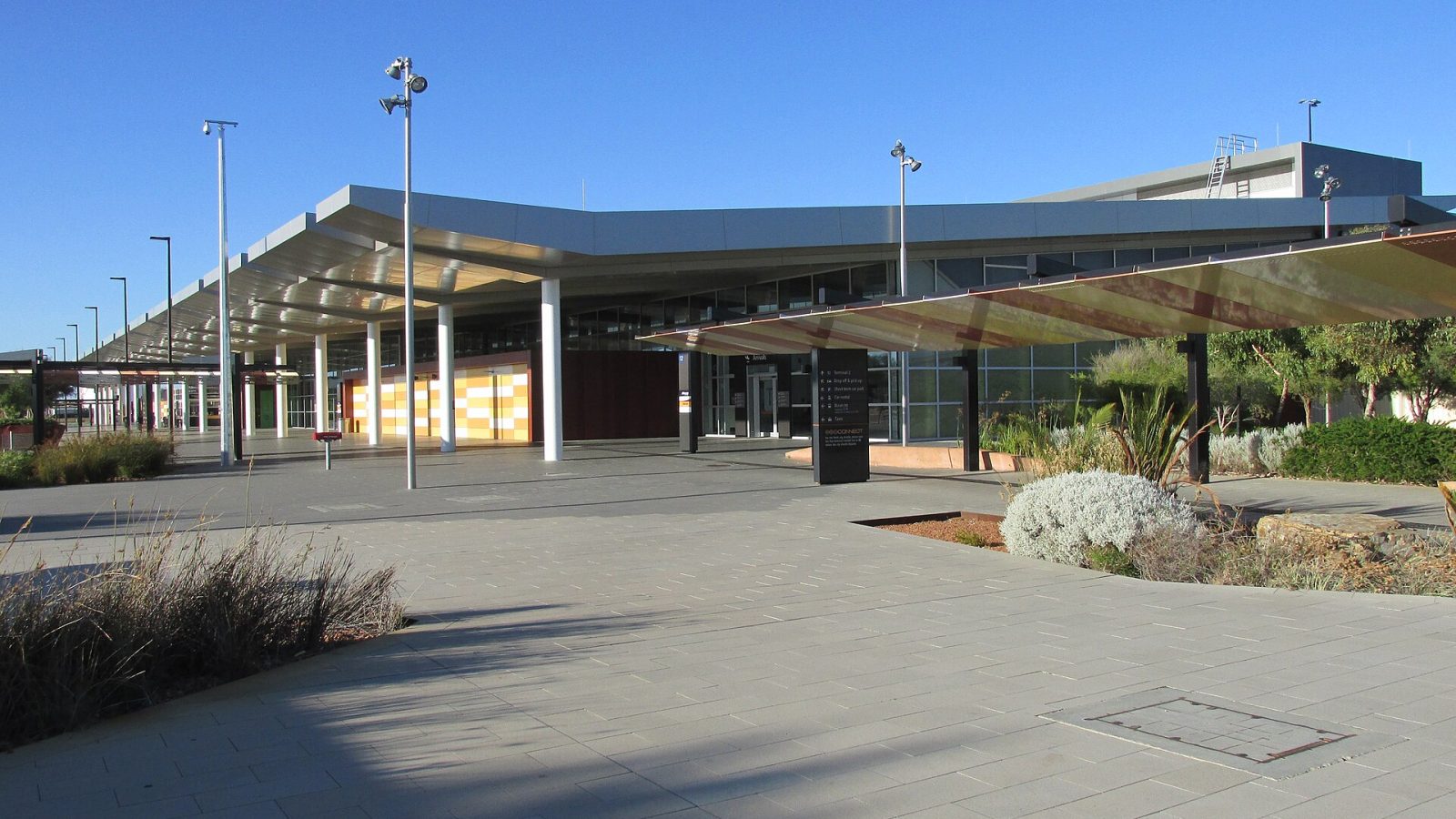
Perth Airport has published concept designs for a new terminal building of 159,000sqm, the centrepiece of what it describes as a multi-billion-dollar One Airport transformation programme. At nearly triple the combined floor area of the existing Terminals 3 and 4, the scale of the project marks a step-change in the airport's ambitions as a gateway for Western Australia.
What the 'Big Sky/Deep Earth' Design Proposes
The architectural concept, named 'Big Sky/Deep Earth', was developed in partnership with Australian firm Woods Bagot and draws directly on Western Australia's landscape and the heritage of Whadjuk Noongar Country. A central landscaped courtyard sits at the heart of the design, giving the building an identifiable sense of place rather than the generic airport aesthetic travellers often encounter.
The new terminal will be approximately 25% larger than Terminals 1 and 2 combined, according to Future Travel Experience. Its purpose is to consolidate flight services into a single central precinct, ending the spread across multiple separate buildings that currently defines the Perth Airport experience.
Gates, Security and the Passenger Journey
A total of 22 new contact gates will be created as part of the terminal, with capacity for both narrow-body and wide-body aircraft. A proportion of these will function as swing gates, meaning they can alternate between domestic and international use as demand dictates. This built-in adaptability reflects the straightforward reality that passenger flows vary across seasons and airline schedules.
Domestic and international security checkpoints will be co-located within the building, a layout that simplifies the passenger journey considerably for those connecting between services. Call-to-gate initiatives are also planned, with the stated aim of cutting queue time at gates and improving the flow through the terminal in the periods before departure.
According to Future Travel Experience, the plans incorporate a high-tech baggage handling system offering reclaim on demand and courier services, as well as automated self-service check-in and bag drop facilities that extend to oversized items. The breadth of these technology proposals points to an ambition for a genuinely faster ground experience, not merely a bigger building.
Retail, Dining and Passenger Wellbeing
Around 10,000sqm of retail, dining and hospitality space is incorporated into the design. That figure reflects an industry-wide understanding that dwell time, managed well, is a revenue opportunity as much as a passenger comfort consideration.
Sensory rooms, parent rooms, a playground and multi-faith rooms are all included in the proposals, Future Travel Experience reports. While such amenities have become more common in major new-build terminals, the fact that they appear at the concept design stage indicates they are being treated as a genuine priority from the outset rather than added later.
CEO Jason Waters set out the strategic case for the project: "The New Terminal will strengthen Perth's position as Australia's western gateway and generate new opportunities for the state."
Perth Airport's Place in Australia's Terminal Investment Wave
Perth is not the only Australian airport committing serious capital to terminal infrastructure. Melbourne Airport is progressing a $4.5 billion international terminal expansion that sits within a broader $17 billion privately funded infrastructure programme. Five additional airline gates will be introduced, and the expanded terminal will offer enlarged check-in and baggage claim areas benefiting from greater ceiling height and increased natural light.
The closure of a 56-year-old Departures ramp is enabling Melbourne's expansion, Future Travel Experience reports, with delivery structured in phases running alongside construction of a third runway. As part of that wider programme, revised passenger drop-off and pick-up facilities serving Terminals 1, 2 and 3 have already been brought into use. Melbourne Airport CEO Lorie Argus is overseeing the project.
The two programmes, taken together, indicate that Australia's major airports are in a sustained period of capital investment aimed at increasing both capacity and the quality of the passenger experience. Whether that investment keeps pace with passenger growth over the coming decade is a question the industry will be watching closely.
What This Means for Passengers
For travellers using Perth today, the most immediate implication of the concept release is that major change is coming, though construction timelines are not detailed in the published brief. The consolidation of services into a single precinct will matter most to connecting passengers, who currently navigate a campus-style layout across multiple terminals.
The swing-gate model is worth watching. Airports that can redirect the same physical infrastructure between international and domestic operations have a structural advantage when airline networks shift, as Perth's have done repeatedly in response to demand from resources industries and leisure markets alike. You can explore which airlines currently operate into Perth using our Airline Search tool.
The Bottom Line
The concept designs position Perth Airport's new terminal as a significant piece of national infrastructure, not simply a capacity upgrade. A 159,000sqm building with 22 new contact gates, co-located security, flexible swing gates and a clear design identity rooted in Western Australian culture is an ambitious brief. The partnership with Woods Bagot and the naming of the 'Big Sky/Deep Earth' concept suggest the airport is serious about the design as well as the numbers.
The next milestones to watch are planning approvals, a confirmed construction programme and the first firm commitments from airlines on gate use. Until those details emerge, the concept phase is exactly that: a well-developed vision rather than a building under construction.
Continue to follow The Aviation Hub for more analysis and insight.
Advertise with us Your brand, in front of an aviation audience Home page and in-article placements, sold directly, one advertiser per slot. From £250 a year. See the rates