Philippine Airlines has agreed to adopt IBS Software's iCargo cargo management system, covering the full span of its cargo business across both domestic and international routes, according to Air Cargo News.
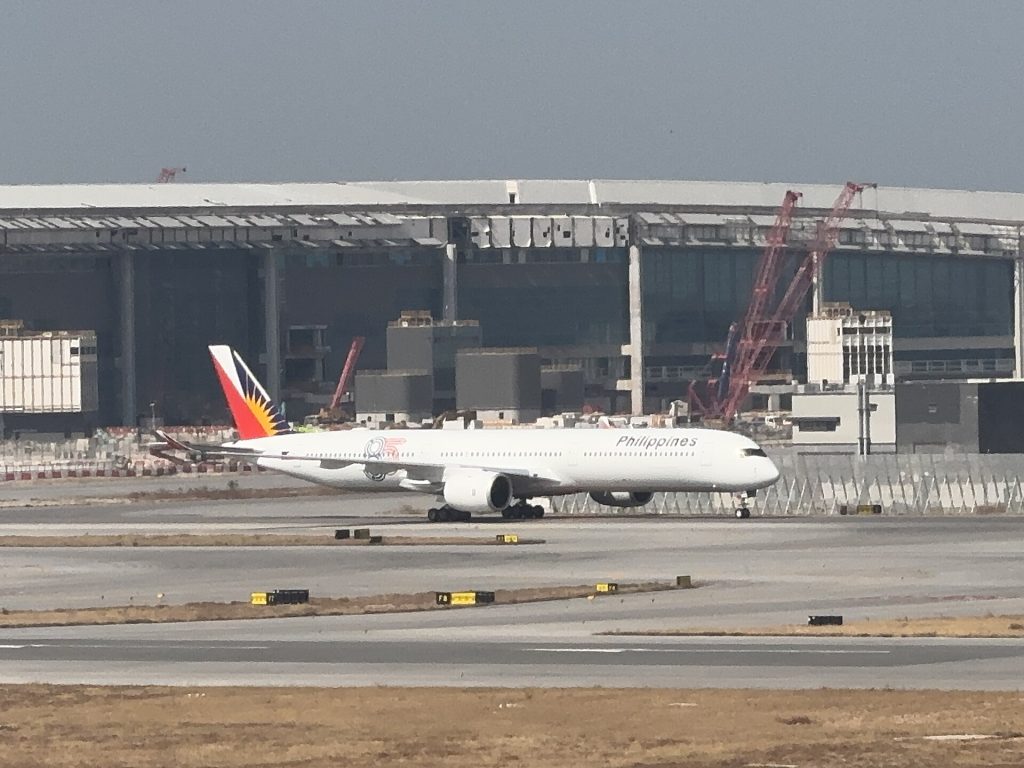
The deal arrives as the carrier pursues one of the more ambitious fleet expansion programmes in South-East Asia, giving the new platform a growing network to serve from day one.
What the Philippine Airlines iCargo Deal Covers
The rollout covers a wide range of functions. Philippine Airlines will implement iCargo across ground handling operations, cargo sales and back-office accounting, with the platform taking on responsibility for regulatory compliance, customs reporting, and the settlement of duties and taxes.
That breadth is deliberate. PAL frames the adoption as part of a wider digitalisation programme rather than a standalone procurement. Jason Siy, the airline's vice president for cargo business, said: "As we grow across our domestic and international network, we need a system that increases visibility, improves operational efficiency and enables us to deliver a better experience for our customers."
The choice of a single platform to span commercial operations, ground handling and back-office compliance reflects a preference for integration over point solutions. For a carrier operating both domestic and international cargo services, a unified view of inventory, accounting and regulatory data carries obvious operational value.
A Fleet That Will Need the Capacity
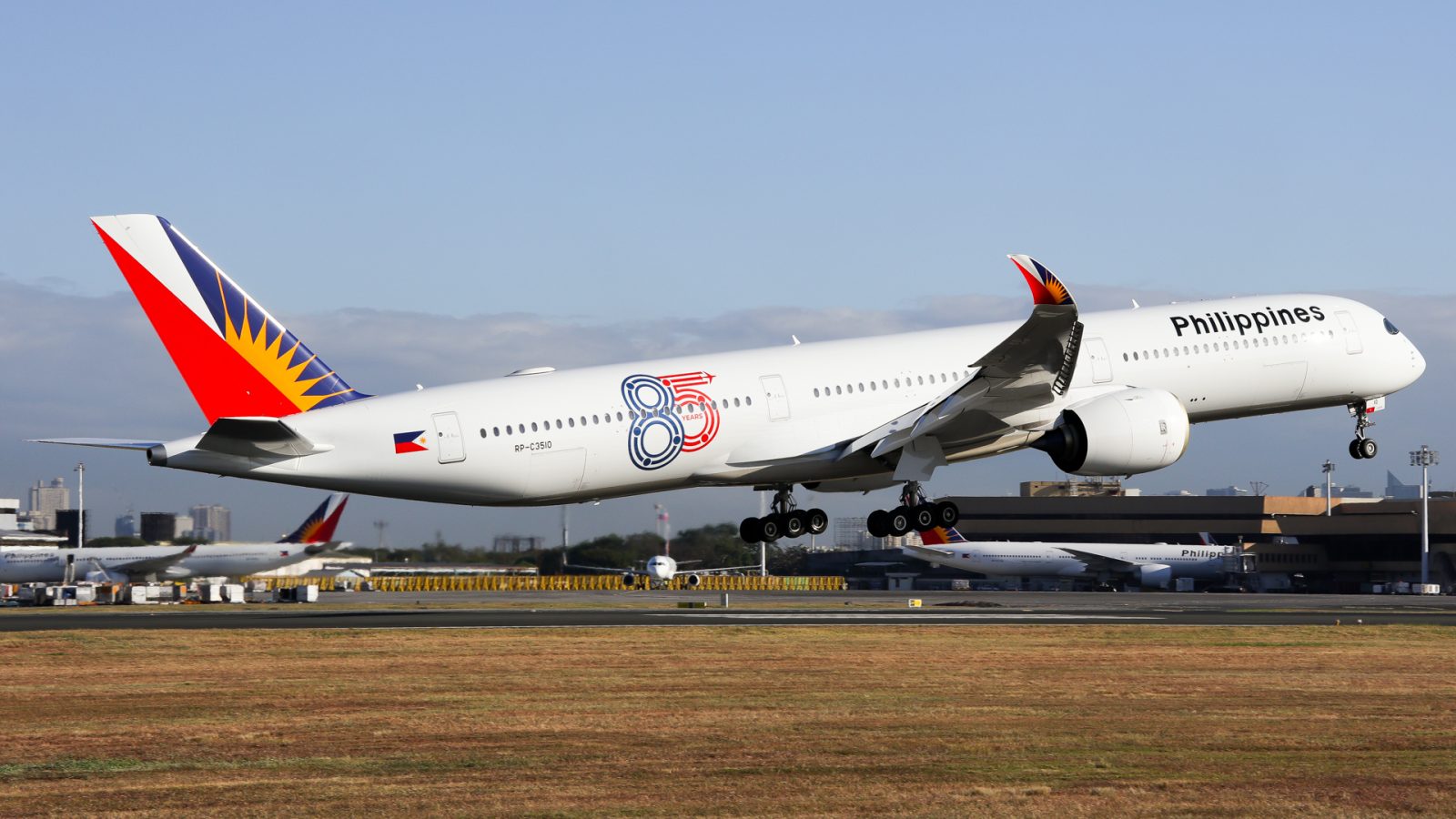
The iCargo agreement is no coincidence in its timing. Air Cargo News reports that PAL has placed an order for nine additional Airbus A350-1000s, alongside purchase rights on a further five, with those deliveries due in the early 2030s. The airline is also adding as many as 20 Boeing 787-10s to grow its long-haul operation.
Widebody aircraft carry meaningful belly-freight capacity alongside passengers. As PAL adds A350-1000s and 787-10s to its network, the volume and complexity of its cargo operations will grow in step. Deploying a modernised cargo management system ahead of those deliveries gives the airline time to embed new processes before the capacity arrives.
Readers wanting to explore Philippine Airlines' current network and fleet can use our Airline Search tool.
The Bottom Line
Philippine Airlines is threading two strands of growth together: a larger long-haul fleet and a digitalised cargo operation to make the most of it. The iCargo platform will need to prove itself across a wide functional scope, from sales through to regulatory settlement, and the airline will be watching whether it delivers the visibility and efficiency Siy described.
What the carrier builds between now and the early 2030s, when the first A350-1000s arrive, will determine whether the cargo business grows in proportion to the fleet or lags behind it.
Continue to follow The Aviation Hub for more analysis and insight.
Advertise with us Your brand, in front of an aviation audience Home page and in-article placements, sold directly, one advertiser per slot. From £250 a year. See the rates