Qantas Grounds Boeing 787 in Rome After Bedbug Infestation Found on Board
Qantas cancelled its Rome to Perth service on 10 October after bedbugs were discovered in the economy cabin of a Boeing 787 Dreamliner.
 By The Aviation Hub
4 min read
By The Aviation Hub
4 min read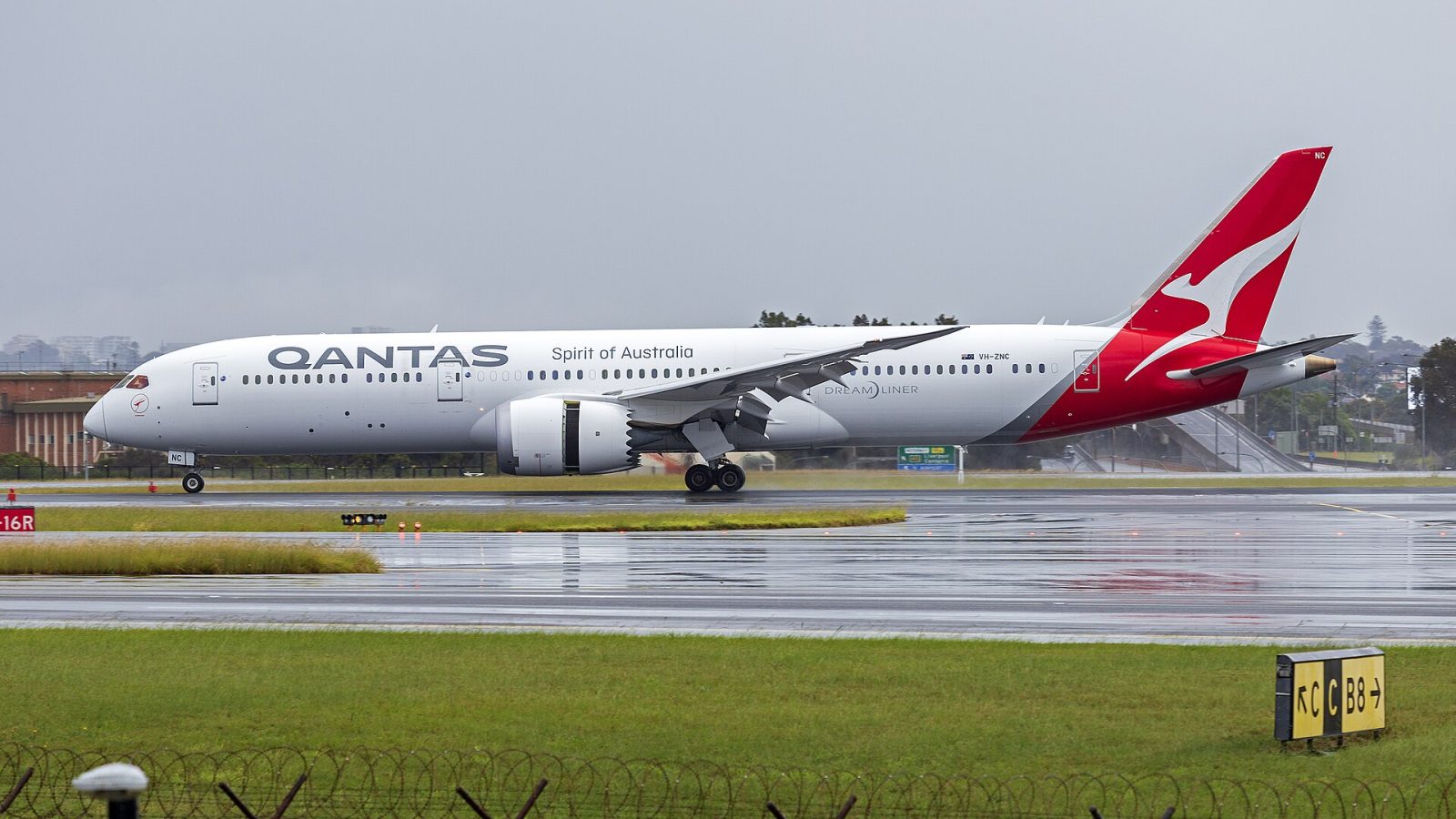
Qantas bedbugs have forced the airline to ground a Boeing 787 Dreamliner in Rome and cancel the return service to Perth, after parasitic insects were discovered in the economy cabin during flight QF5 on 9 October 2026. One outbound flight and one return service were disrupted as a result.
What Happened on Flight QF5
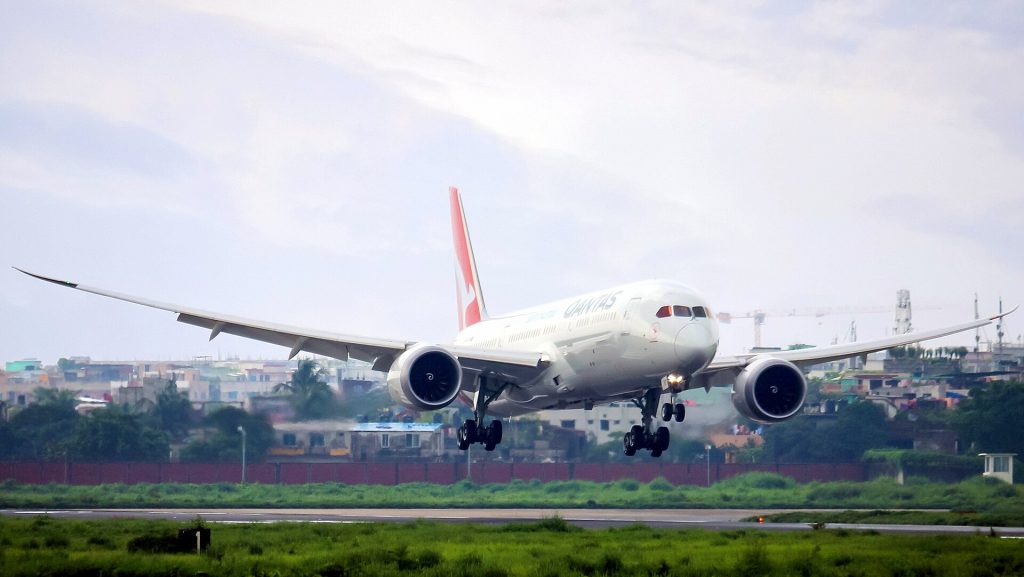
According to The Guardian, bedbugs were found in the forward section of the economy cabin of the Boeing 787 Dreamliner as it made its way from Perth (PER) to Rome Fiumicino (FCO) on the nearly 17-hour journey. Passengers complained to cabin crew that insects were biting them during the flight.

Aviation A2Z reports that affected passengers were given antihistamines on medical advice to relieve itching, though supplies eventually ran out during the flight.
The Cancellation of QF6
Once the aircraft arrived in Rome, Qantas took it out of service for a deep clean. That decision meant the return service, flight QF6 from Rome Fiumicino to Perth on 10 October, had to be cancelled.
A Qantas spokesperson said the cancellation was necessary to allow engineers and maintenance teams to carry out a deep clean after "an issue identified on a small number of economy seats," as The Guardian reported. The airline offered a "sincere apology" to customers affected by the disruption.
Qantas arranged accommodation for passengers whose travel plans were affected and rebooked them on alternative flights within 48 hours of their original departure, according to both sources.
How Bedbugs Get on to Aircraft
Prof Michelle Power, a parasitologist at Macquarie University, told The Guardian that the insects had "more than likely" been brought on to the plane in someone's luggage or on a passenger's clothes before escaping into the cabin.
"They're associated with travel," she said. "People may go to a hotel that's infested and because they like dark spaces and are attracted to the smell of human clothes, they make their way into someone's luggage."
Power noted that bedbugs are not dangerous, even though their bites can be itchy and irritating. They are, however, very difficult to eradicate and can hide in bedsheets and crevices for a long time without needing to feed.
Why Qantas Bedbugs Are a Particular Problem in Aviation
Bedbugs can hide in seat materials, narrow gaps and fabric, making them hard to detect and remove in an aircraft cabin. Aviation A2Z notes that their resistance to some insecticides means thorough inspection and specialised pest-control treatment are important when an infestation is found.
The UK's National Health Service says bedbug bites can cause itching but do not usually lead to serious health problems, according to Aviation A2Z. Some people may experience more pronounced irritation, swelling or discomfort.
Qantas said its aircraft cabins are cleaned regularly and treated with disinfectant every 50 days as a standard precautionary measure, as reported by both The Guardian and Aviation A2Z.
Other Airlines Have Faced Similar Issues
Qantas is not the first carrier to deal with a bedbug report. Aviation A2Z notes that British Airways apologised in 2017 to a Canadian family who reported being bitten on a flight from Vancouver to London, and that Turkish Airlines faced questions following a January 2025 New York Times investigation describing passenger accounts on several flights.
Closer to home, Aviation A2Z also reports that Southeastern Railway in England removed trains from service in October 2026 after bedbugs were identified in drivers' cabs, though the insects were not found in passenger areas.
You can track Qantas and other carriers through our Airline Search tool, and our Squawk 7700 hub carries the latest incident reports and archive coverage.
The Bottom Line
A bedbug infestation on a single long-haul aircraft caused two flights to be disrupted, with affected passengers facing waits of up to 48 hours before being rebooked. Qantas acted to clean the aircraft before returning it to service, but the episode illustrates how difficult cabin pest control can be on routes where an aircraft is expected to turn around quickly for a return service.
The aircraft registration has not been publicly identified, and Qantas has not released detail on what specialised treatment was used. We will update our coverage if the airline releases further information about the deep-clean process or the aircraft's return to service.
Continue to follow The Aviation Hub for more analysis and insight.
Advertise with us Your brand, in front of an aviation audience Home page and in-article placements, sold directly, one advertiser per slot. From £250 a year. See the rates