RAF Typhoons and French Rafales Fly First Joint Nuclear Deterrence Exercise
RAF Typhoons and French Rafales have completed Exercise RUMMY, the first-ever joint nuclear deterrence drill between Britain and France, over the Mediterranean.
 By The Aviation Hub
4 min read
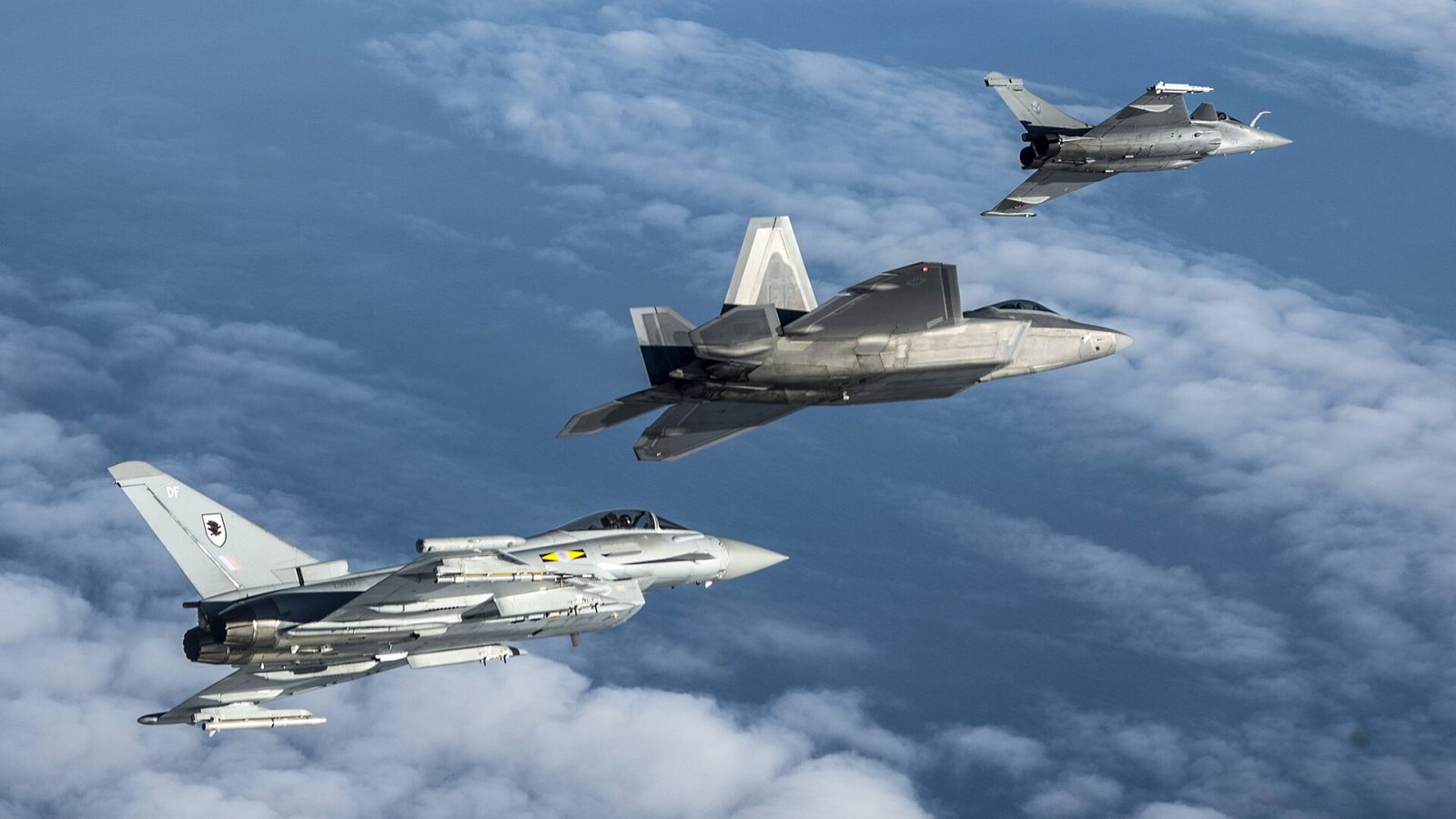
RAF Typhoons joined French Rafale fighters over the Mediterranean on the evening of 20 October 2026, escorting a simulated nuclear strike in Exercise RUMMY, the first time British aircraft have taken part in a French nuclear deterrence exercise. The joint statement confirming the drill was issued on 23 October 2026.
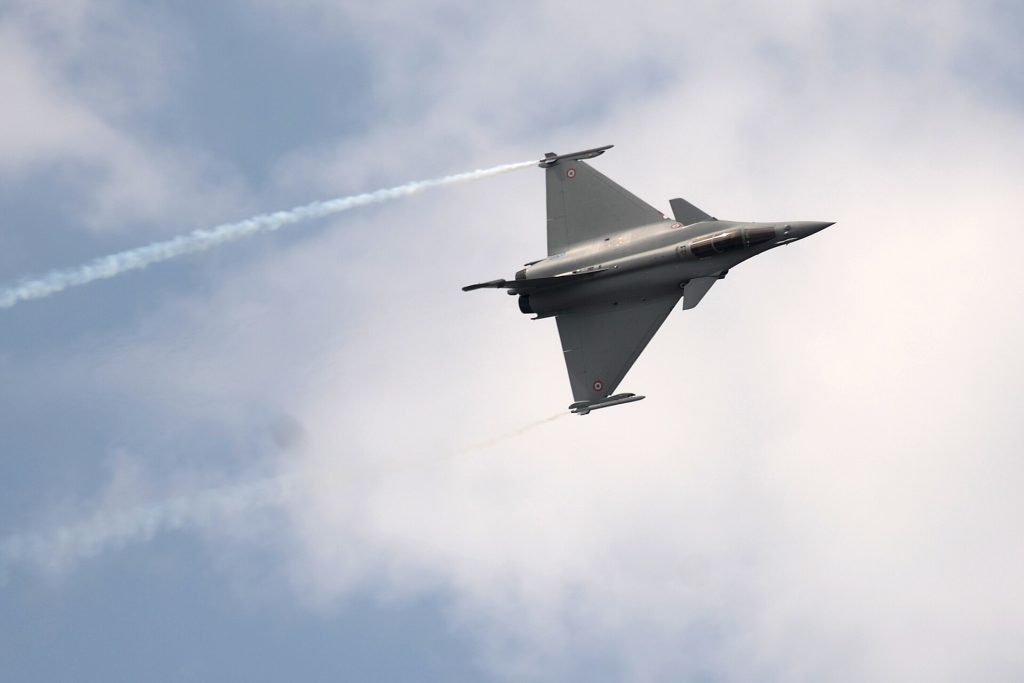
The exercise marks a significant step forward in Anglo-French nuclear cooperation, moving Britain's role from observer to active participant in less than a year.
What Happened in Exercise RUMMY
According to AeroTime, the French Rafales departed Saint-Dizier Air Base in northeastern France before conducting a simulated strike under escort from Royal Air Force Eurofighter Typhoons. No nuclear weapons were involved at any stage. The number of aircraft taking part and the specific RAF units assigned to the exercise were not disclosed.
French Armed Forces Minister Catherine Vautrin confirmed on Friday that the British aircraft had participated on the evening of 20 October. "Having independent nuclear forces does not preclude coordination," she said, adding: "Our nuclear cooperation with the United Kingdom continues to deepen."
How RAF Typhoons Have Evolved Britain's Role
Exercise RUMMY follows the Northwood Declaration, signed by French President Emmanuel Macron and British Prime Minister Keir Starmer on 10 July 2025. AeroTime reports that the declaration established that the two countries' nuclear forces remain independent but can be coordinated, and created a bilateral Nuclear Steering Group.
When that group first met in December 2025, British officials were invited to observe Operation Poker, the recurring French exercise that rehearses a nuclear air raid. It was the first time foreign officials had been granted access to the drill. Less than a year on, British fighters have moved from watching to actively supporting a simulated strike.
What Conventional Support for Nuclear Operations Means
AeroTime explains that RUMMY provided a concrete example of conventional support for nuclear operations (CSNO), an established NATO concept whereby conventional forces support nuclear missions without carrying nuclear weapons themselves. Beyond fighter escort, such support can include aerial refuelling, electronic warfare, and suppression of enemy air defences.
France retains exclusive control over its nuclear weapons and any decision over their potential use. The RAF Typhoons were performing a conventional escort role throughout the exercise.
The Broader Picture for European Nuclear Cooperation
The drill also comes as France seeks greater European involvement in its nuclear deterrent. AeroTime notes that in July 2026 French Rafales and German Eurofighters conducted a joint air activity, while Berlin confirmed plans to participate in a French nuclear exercise before the end of the year.
The Daily Mail reports that last summer France and the UK agreed to reinforce cooperation over their respective atomic arsenals in response to growing threats to Europe. France spends roughly £4.69 billion a year to maintain its stockpile of 290 submarine- and air-launched weapons, the world's fourth-largest arsenal. Britain holds 225 nuclear warheads, launched from its four Vanguard-class submarines.
Britain's Defence Secretary Wes Streeting said: "In an increasingly dangerous world, our adversaries should be in no doubt: the United Kingdom and France stand together in their commitment to European security and to maintaining the deterrence that has helped preserve peace for generations."
What It Means for the RAF's Nuclear Future
AeroTime reports that the RAF is preparing to regain a nuclear strike role for the first time since Britain retired its WE177 nuclear bombs in 1998. London plans to acquire 12 F-35A fighters for NATO's nuclear-sharing mission, with deliveries expected from the early 2030s. Unlike France's sovereign airborne deterrent, that future RAF nuclear mission would rely on weapons under US custody and control.
RUMMY is separate from that NATO mission. It demonstrates, however, how British combat aircraft can already support nuclear operations through conventional fighter escort, even without carrying nuclear weapons themselves. You can find full specifications and background on the aircraft involved using our Aircraft Search.
The Bottom Line
Exercise RUMMY represents the most substantive step yet in Anglo-French nuclear cooperation. In under a year, Britain has moved from being granted observer access to French nuclear drills to putting its own jets into the air alongside French nuclear-capable aircraft.
France and Britain are western Europe's only two nuclear powers, and both are responding to the same pressures: growing uncertainty over US commitments to European security, and continued threats from Russia. The exercise signals that the two countries intend to deepen that coordination further, and Germany's planned participation in a French nuclear drill before the end of 2026 suggests the framework may broaden still.
Continue to follow The Aviation Hub for more analysis and insight.
Advertise with us Your brand, in front of an aviation audience Home page and in-article placements, sold directly, one advertiser per slot. From £250 a year. See the rates