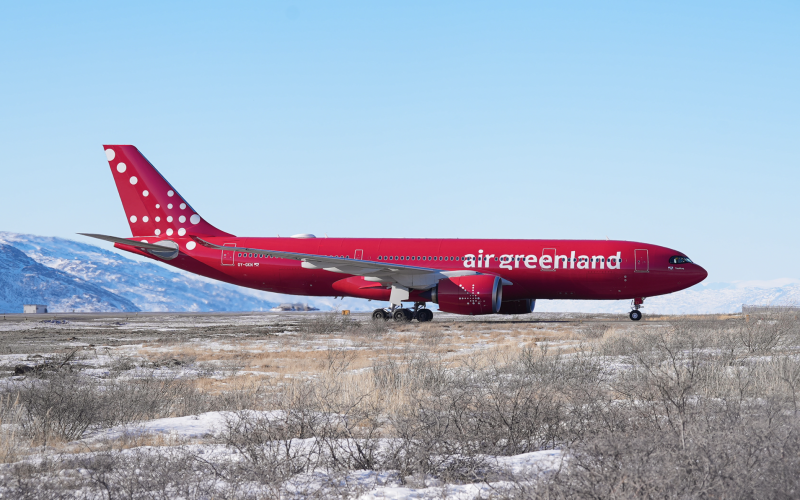
Reno sits in a high desert valley at the foot of the Sierra Nevada, an hour’s drive from the shores of Lake Tahoe. Reno Tahoe Airport is the main gateway to both, serving casino visitors, skiers, outdoor enthusiasts and a fast growing logistics economy. It handled more than 4.9 million passengers in 2025. The field has a colourful past, including a walk on part in the D.B. Cooper story, and a billion dollar rebuild is now under way.
Reno Tahoe Airport at a Glance
The IATA code is RNO and the ICAO code is KRNO. The airport lies about 3 miles (5 km) southeast of downtown Reno, at an elevation of 1,346 m (4,415 ft). It has three runways and a single terminal with two concourses, B and C, offering 23 gates with jet bridges. Reno Tahoe Airport recorded 4,912,900 passengers in 2025. Southwest carries about 40 per cent of passengers, with American, United and Delta next in line. The Reno Tahoe Airport Authority runs the site, and the Nevada Air National Guard flies C-130s from its own base on the airfield.

How Reno’s Airport Came to Be
Boeing Air Transport built the field in 1929 as Hubbard Field. It was named after Eddie Hubbard, an air mail pioneer and Boeing partner. United Airlines, which grew out of the Boeing transport operation, acquired the airport in 1936, and the City of Reno bought it in 1953.
The airport later took the name Cannon International, honouring Nevada senator Howard Cannon, whose name still sits on the terminal. In 1971 a hijacked Northwest Orient Boeing 727 landed here with its rear airstair still lowered, after the man known as D.B. Cooper had jumped somewhere over the Pacific Northwest. The worst accident came in 1985. Galaxy Airlines Flight 203, a Lockheed Electra, crashed shortly after take off, and only one of the 71 people aboard survived.
Reno Air made the airport its hub from 1992 until it was absorbed by American in 1999. The current name, reflecting the pull of Lake Tahoe, arrived in 1994.
Runways at Reno Tahoe Airport
Three concrete runways serve the field. The main pair run north to south: 17R/35L at 3,353 m (11,001 ft) and 17L/35R at 2,743 m (9,000 ft), both 46 m wide. A crosswind runway, 08/26, measures 1,860 m (6,102 ft) and sees mainly general aviation and smaller aircraft.
The parallel layout follows the valley, which runs north to south between mountain ranges. Mountains ring the valley on every side, and approaches demand close attention to terrain. Elevation is the key operational factor at Reno Tahoe Airport. At more than 4,400 ft, hot summer afternoons reduce engine and wing performance, so the long main runway matters for heavy departures. Gusty winds spilling off the Sierra can also make for lively landings, especially in winter and spring. Air traffic control falls under Northern California TRACON and Oakland Center.
Terminals and Airlines
All passengers use one terminal, named after Howard Cannon. Concourses B and C fan out from a central ticketing hall that was expanded in April 2024 at a cost of 35 million dollars. Baggage claim and rental car counters sit on the ground floor.
Southwest is the dominant carrier at Reno Tahoe Airport, connecting the city with Las Vegas, Phoenix, Denver, Los Angeles and other western points. American serves its hubs at Dallas Fort Worth and Phoenix, while Delta links Reno with Salt Lake City and Minneapolis. United flies to Denver, San Francisco and Houston. Alaska and JetBlue add West Coast and seasonal New York services. A route to Guadalajara gives the airport an international link.
Routes and Destinations
Most flying from Reno Tahoe Airport is short haul within the western United States. Las Vegas, Los Angeles, Phoenix, Denver and Seattle are among the busiest destinations, with several daily departures on each. Hub routes to Dallas, Houston, Chicago and Atlanta open up onward connections across the country.
Seasonal patterns are strong. Ski season brings seasonal flights such as JetBlue’s New York service, while summer fills flights with visitors bound for Tahoe and the Sierra. Guadalajara serves a sizeable Mexican community in northern Nevada. In 2015 Thomas Cook planned a London Gatwick service, but it was cancelled because border control facilities could not handle an Airbus A330 load. Cargo is significant, with integrators serving the warehouses that have sprung up east of the city.
Getting to and from Reno Tahoe Airport
The drive downtown takes about ten minutes via Interstate 580, which passes the airport’s western edge. Taxis, limousines and hotel shuttles collect from the curb outside the D Doors, just north of baggage claim. Many casino hotels run their own courtesy shuttles.
The cheapest option is RTC Ride Route 12, a local bus that stops on Terminal Way and links the airport with Downtown 4th Street Station and Meadowood Mall. Eastern Sierra Transit runs a long distance bus south along Highway 395 to Lone Pine in California. Nine car hire firms have counters in baggage claim, with vehicles collected from the parking structure opposite. Incline Village on the north shore of Lake Tahoe is about 45 minutes by car, and South Lake Tahoe roughly an hour and a quarter. Up to date travel advice is on the airport’s official website.
Spotting and Photography
Reno offers mountain backdrops that few airports can match. The snow capped Sierra rises to the west, and arrivals from the south over the valley floor can be photographed against brown hills and big skies. Public roads and parking areas around the perimeter of Reno Tahoe Airport give reasonable views of both parallel runways.
Morning light favours positions on the eastern side of the field, while afternoon sun suits the western side. The Air National Guard C-130s add military interest, and freighters arrive in the evening. Stay on public land, do not stop on airport roads or block access points, and follow any instruction from airport police without argument.
What Comes Next
The More RNO programme is a huge undertaking for an airport of this size, with an estimated budget of around one billion dollars and a target completion in 2028. It covers ground transport improvements and new concourse development to replace ageing facilities. Construction of a central utility plant and a new police and airport authority headquarters began in August 2025.
Northern Nevada’s economy keeps growing, driven by data centres, battery plants and distribution hubs. That gives the airport a strong base for further growth in both passengers and freight. Expect Reno Tahoe Airport to emerge from the building work as a far more modern gateway. For more airports, explore the Airports of the World map.
Continue to follow The Aviation Hub for more analysis and insight.
Advertise with us Your brand, in front of an aviation audience Home page and in-article placements, sold directly, one advertiser per slot. From £250 a year. See the rates