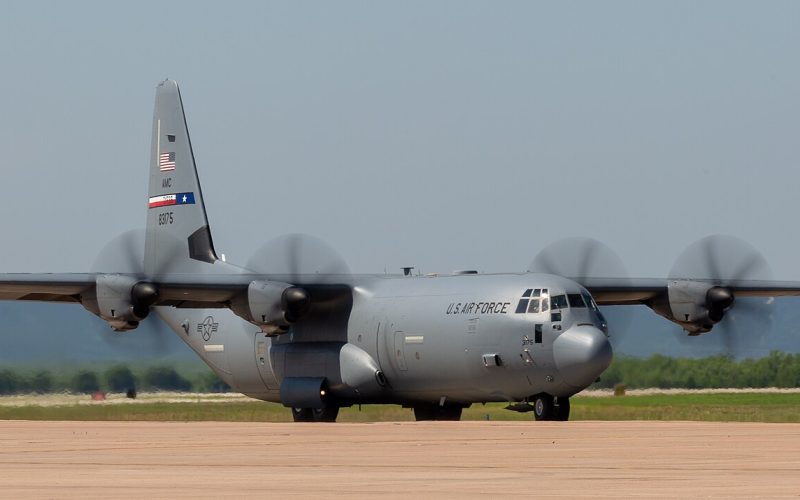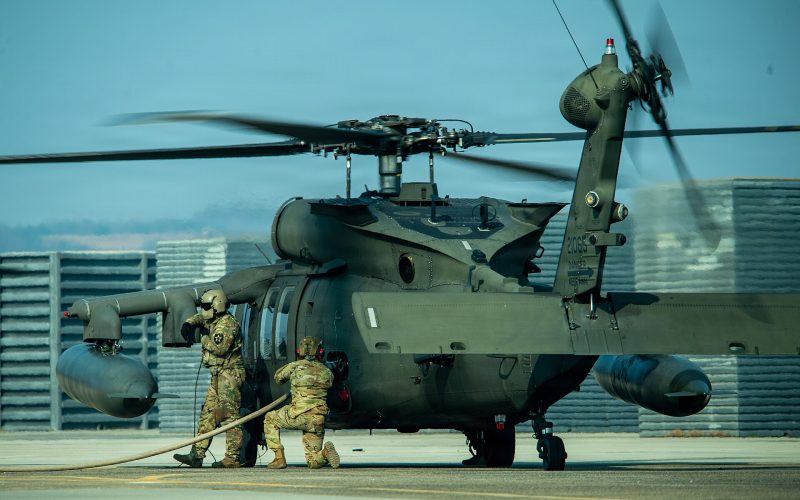

Canadian aviation technology company Ribbit autonomous aircraft systems have been demonstrated with fixed-wing and rotary aircraft operating together on a search-and-rescue exercise near Ottawa, with AVweb reporting that the trial took place in May through the National Research Council of Canada's Drone Innovation Hub.
The exercise brought together an autonomous Cessna 150 and an NRC-operated Bell 412 helicopter, along with several virtual drones, all directed by a single human mission commander rather than individual pilots at the controls of each aircraft.
What the Exercise Involved
Search patterns for a simulated missing person were carried out by the Cessna 150, its flight plan revised in real time as data passed between the aircraft taking part in the exercise. With the target located, the Bell 412 moved in to carry out a simulated casualty evacuation.
The Cessna 150 did not then stand down. According to AVweb, it continued orbiting overhead during the evacuation phase, supplying situational awareness to the broader mission. The two aircraft effectively divided the task between them without separate human operators managing each one.
Safety pilots were aboard both aircraft throughout the exercise, as required under current regulations.
Ribbit and the NRC's Shared History
The demonstration has its roots in a substantial working relationship. Ribbit and the NRC have been collaborating on autonomous systems across public safety, defence and other applications for over three years, with the recent exercise carried out under the NRC's Drone Innovation Hub framework.
The May exercise represented a progression Ribbit had been working towards for some time. A hands-free round-trip flight, completed by the company in 2023, established the foundations that made the more complex, multi-platform coordination seen this year possible.
The NRC's program director for Aurora Shield, Derek Gowanlock, put it simply: "By combining research with technology, we successfully demonstrated autonomous aircraft working together toward a shared mission."
Why Ribbit Autonomous Multi-Aircraft Operations Are the Harder Problem
Getting a single aircraft to fly itself is a well-established engineering challenge, and progress there has been steady. Getting two dissimilar aircraft, a fixed-wing type and a helicopter, to share data and coordinate their roles under a single commander is a different order of difficulty entirely.
The Cessna 150's role in this exercise, adjusting its own flight plan based on information flowing from other aircraft in the network, is a meaningful step beyond simple pre-programmed automation. It suggests the system is designed to respond to what the mission actually finds rather than what planners anticipated.
For readers interested in the broader landscape of autonomous aircraft development, our Aircraft Search tool lets you explore individual types and their operators.
Where This Sits in the Wider Autonomy Picture
Multi-aircraft coordination of this kind is rare in public demonstrations. The exercise near Ottawa is notable precisely because it involved two piloted aircraft categories, not just small uncrewed drones, operating together toward a common goal.
For context, AVweb also reported that a modified Cessna Caravan operated by Joby Aviation covered 3,199 miles across the country in September, autonomously managing taxiing, takeoffs, navigation and landings throughout, with the onboard safety pilot providing no control inputs. That flight showed what a single autonomous platform can achieve in terms of range and endurance. The Ribbit exercise points toward something complementary: coordination across multiple autonomous platforms working as a team.
Public safety and defence applications are the obvious near-term use case, particularly for search-and-rescue in remote or challenging terrain where the communication and coordination burden on human crews is already high.
The Bottom Line
Ribbit's May demonstration is a concrete step toward operational multi-aircraft autonomy rather than a laboratory concept. The combination of a fixed-wing search platform and a rotary evacuation aircraft, sharing data and operating under a single commander, maps directly onto real-world rescue scenarios.
The involvement of the NRC, which brings both the Bell 412 and its Drone Innovation Hub infrastructure to the partnership, gives the programme institutional weight. Three years of joint work between Ribbit and the NRC suggests this is a sustained programme rather than a one-off event, and further exercises or expanded trials would be the natural next step to watch for.
Continue to follow The Aviation Hub for more analysis and insight.
Advertise with us Your brand, in front of an aviation audience Home page and in-article placements, sold directly, one advertiser per slot. From £250 a year. See the rates