
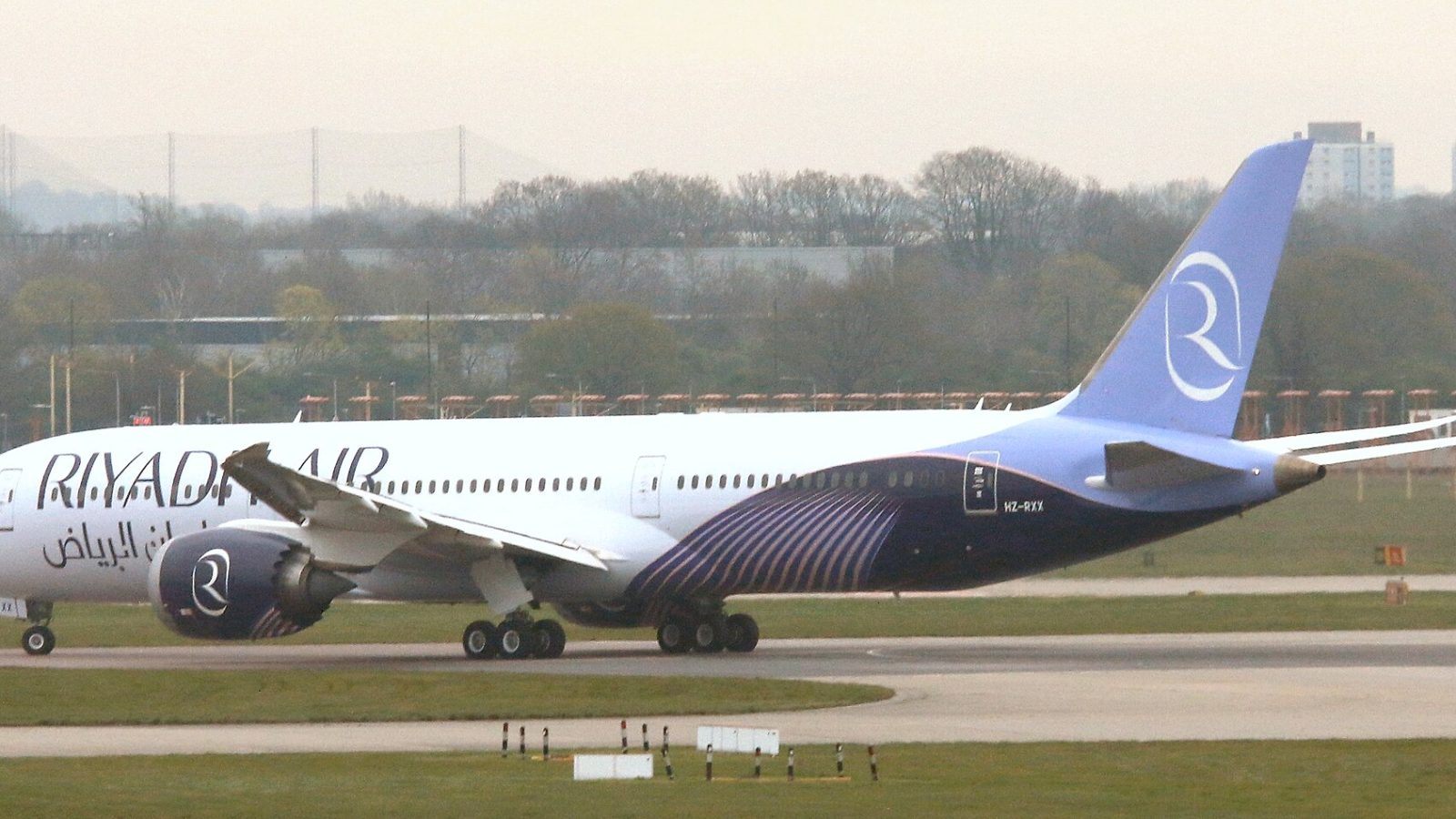
Riyadh Air has made its position on global alliances plain: it wants no part of oneworld, Star Alliance or SkyTeam. Simple Flying reports that the carrier is instead signing bilateral partnerships with airlines across all three blocs. That choice is now moving from policy to practice, and the question it raises is whether a bilateral-only network can deliver the connectivity and loyalty scale that a long-haul carrier needs to compete.
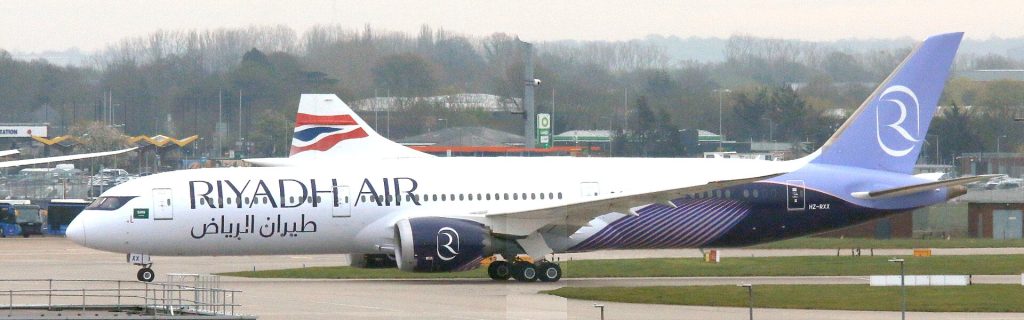
What Riyadh Air Has Actually Done So Far
The first concrete step came through the carrier's home market. Riyadh Air / TravelIndex reports that the airline, which is wholly owned by Saudi Arabia's Public Investment Fund (PIF), has implemented the first phase of a Strategic Cooperation Agreement with Saudia, underpinned by a memorandum of understanding the two carriers signed in November 2023. The cooperation makes Saudia Riyadh Air's first codeshare partner.
Vincent Coste, Chief Commercial Officer of Riyadh Air, described the significance of the technology work behind it: "Integrating different technology environments is a fundamental principle of our digital native model and this first major step in our collaboration with Saudia is a significant industry milestone."
Beyond the Saudia deal, Simple Flying also reports that Riyadh Air has signed a memorandum of understanding with Air India, adding a partner that sits outside any bilateral it might inherit from an alliance relationship. That pairing matters: Air India is a Star Alliance member, which means Riyadh Air is already reaching across alliance lines.
The Route Map Taking Shape
The bilateral strategy only holds if Riyadh Air can build a route network quickly enough to give those partnerships commercial substance. Aviation Week reports that the carrier has launched 3x-weekly Boeing 787-9 flights to Bangkok Suvarnabhumi from September 2, 2026, daily flights to Manila Ninoy Aquino International Airport from September 9, 2026, and 3x-weekly flights to Manchester Airport from September 19, 2026, its second UK destination.
Those three additions alone span Southeast Asia and Europe, which suggests the network is being assembled at genuine pace. Readers tracking the carrier's fleet and route developments can use our Airline Search tool to follow updates as they are confirmed.
Why the Alliance Question Is Not Straightforward
The alliance model offers a new entrant three things that bilateral deals do not automatically replicate: a ready-made interline framework, shared frequent-flyer recognition across dozens of carriers, and coordinated airport lounge access. Building those benefits one partnership at a time is slower and requires technology integration at every step, as Coste's own words acknowledge.
That said, the alliances themselves are not static. Simple Flying reports that ITA Airways joined Star Alliance on April 1, 2026, having previously been a SkyTeam member since 2021, and that Hawaiian Airlines joined oneworld on April 22, 2026, following its merger with Alaska Airlines. The reshuffling of members is a reminder that alliance membership is a commercial decision taken in a market context, not a fixed prerequisite for a viable network.
The deeper question is one of loyalty. A frequent flyer who accumulates miles across an alliance can redeem them on dozens of carriers. Riyadh Air will need either to build its own programme to a scale that makes it compelling in its own right, or to negotiate reciprocal earning and redemption with enough bilateral partners to replicate that breadth. Neither is impossible, but neither is straightforward for a carrier still in its first years of operation.
What the Saudia Relationship Tells Us
The Saudia codeshare is the most instructive development so far, not because of its commercial scope in the near term, but because of what it reveals about the method. Arved von zur Muehlen, Chief Commercial Officer of Saudia, said the milestone "reflects the strong collaboration between Saudia and Riyadh Air and our shared commitment to supporting the continued growth of Saudi Arabia's aviation."
The framing is national as much as commercial. Both carriers are rooted in Saudi state strategy, and the cooperation between them is as much about building Riyadh as an aviation hub as it is about connecting passengers efficiently. That context matters when assessing whether the bilateral model is a pure commercial calculation or partly a reflection of Saudi Vision 2030 objectives that alliances could complicate.
What to Watch
Three things will determine whether the bilateral-only model delivers at scale. First, how quickly Riyadh Air can sign and activate partnerships with enough carriers to give passengers genuine onward connectivity without the friction of separate bookings. Second, whether a Riyadh Air loyalty programme, if one is announced, can reach the earning and redemption depth that alliance membership provides by default. Third, whether the technology integration that Coste describes as a core principle proves replicable across a growing list of partners at acceptable cost and speed.
The route launches of autumn 2026 show ambition. The Saudia codeshare shows that the first bilateral deal can be made to work technically. What the evidence does not yet show is whether those two things together are enough to build the network depth a competitive long-haul carrier requires. The answer will come from the next wave of partnership announcements and from whether passengers on those routes find the experience as seamless as an alliance itinerary.
This article draws on reporting by Riyadh Air / TravelIndex (press release mirror), Aviation Week and Simple Flying.
Continue to follow The Aviation Hub for more analysis and insight.
Advertise with us Your brand, in front of an aviation audience Home page and in-article placements, sold directly, one advertiser per slot. From £250 a year. See the rates