Riyadh Airport Resumes Flights as Houthis Renew Safety Warnings
King Khalid International Airport has resumed operations, but Yemen's Houthis warn the airport remains a military target.
 By The Aviation Hub
3 min read
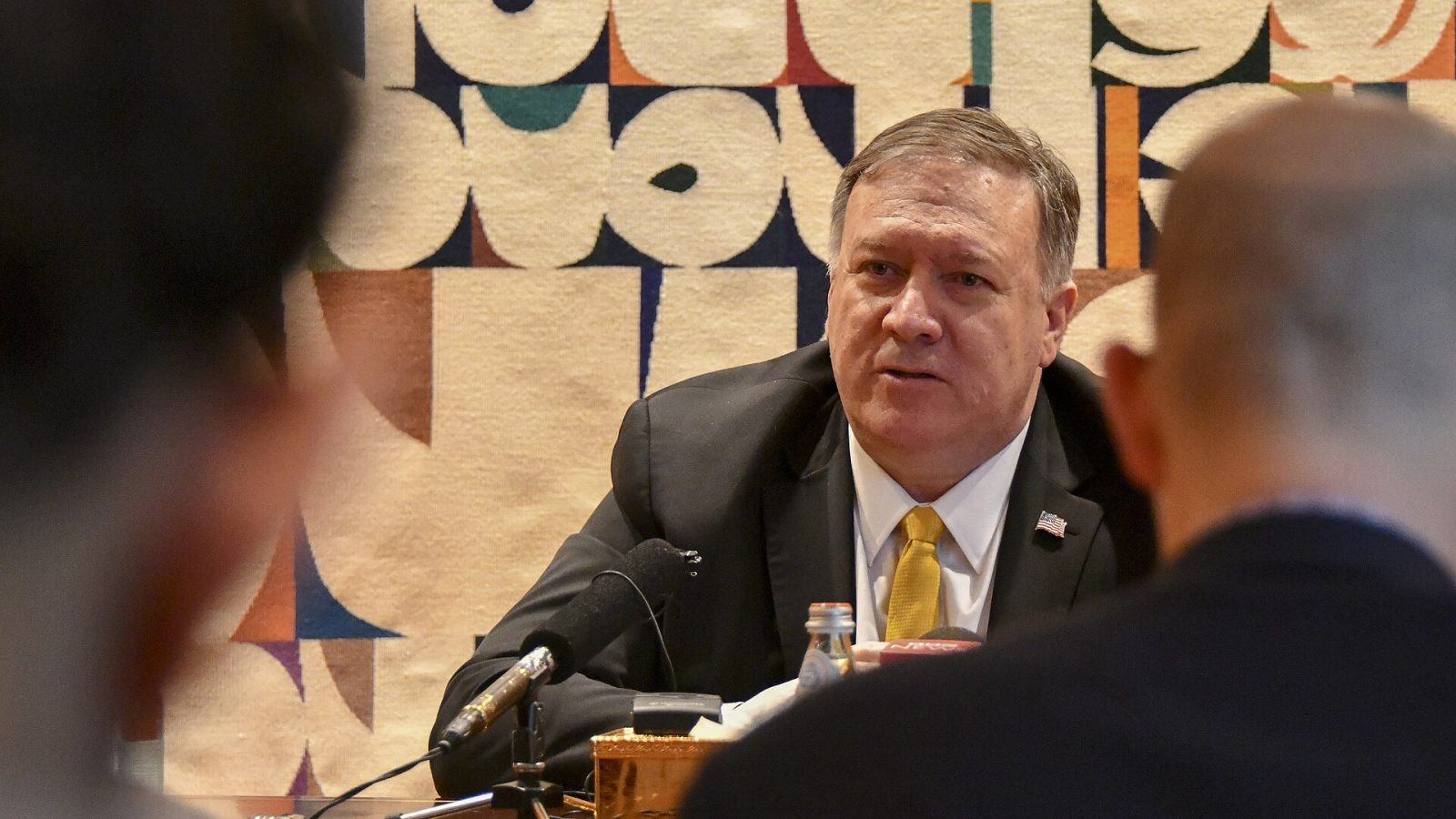
Riyadh airport resumed flight operations on 25 October 2026, weeks after a deadly strike on King Khalid International Airport. Yemen's Iran-aligned Houthis responded by renewing their warning that the airport is unsafe and remains a military target.
What the Airport Announced
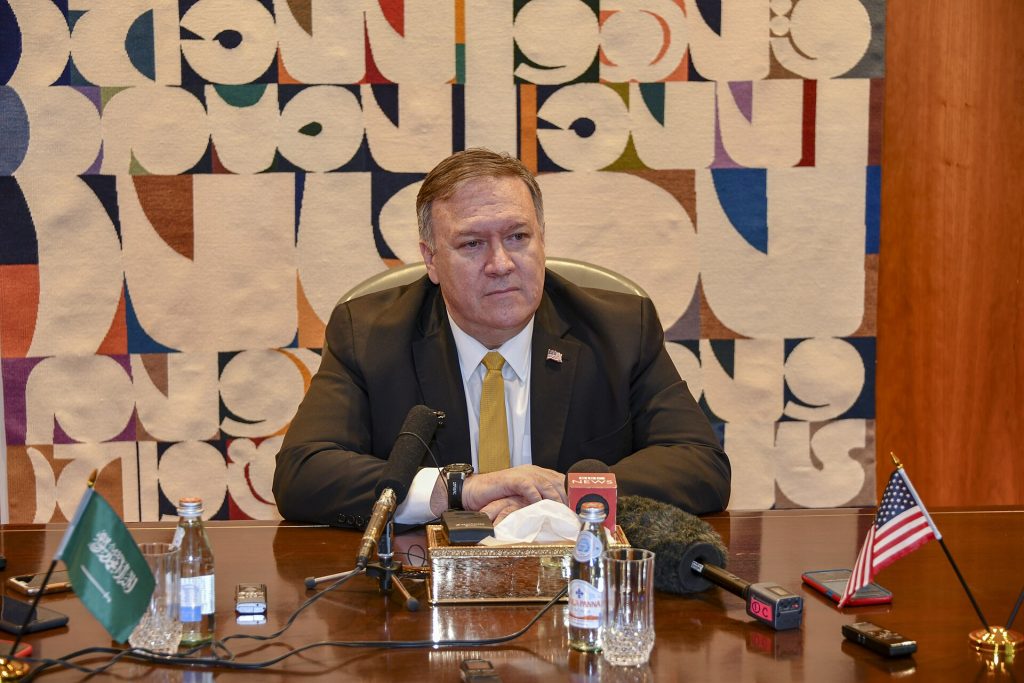
Late on 24 October, King Khalid International Airport announced on X, as reported by the Straits Times, that it would designate terminals for specific services from 25 October. Terminal 1 would handle domestic flights, and Terminal 2 would handle international flights operated by national carriers.
The announcement was formal and direct. "Please be advised that Terminal (1) will be designated for domestic flights and Terminal (2) for international flights operated by national carriers at King Khalid International Airport in Riyadh, effective Sunday, October 25, 2026," the airport stated.
The Attack That Closed the Airport
An attack on Riyadh's King Khalid International Airport on 10 October killed 12 people and wounded more than 300 others, according to the Straits Times. The scale of the casualties made it one of the most serious strikes on civilian aviation infrastructure in the region in recent years.
The airport's closure in the aftermath of the attack disrupted both domestic and international services out of the Saudi capital.
The Houthi Warning on Riyadh Airport
Hours after the airport announced its reopening, the Houthis renewed their threat. The Straits Times reports that a Houthi spokesman said in the early hours of 25 October that the airport was unsafe and remained a "military target."
Times of India reports that the Iran-aligned group made the warning hours before renewing their broader threats against the airport's operations.
The warning was directed at airlines, airport staff and travellers alike, according to the Straits Times.
What This Means for Airlines and Passengers
The reopening of Riyadh airport is a significant operational step, but the Houthi warning places airlines in a difficult position. Carriers must weigh the resumption of commercial services against the group's stated intention to treat the airport as a military target.
Passengers booked on services through King Khalid International Airport should monitor guidance from their airlines and from their governments' foreign travel advisories before travelling.
You can use our Airline Search tool to find information on carriers operating through Riyadh.
The Broader Context
The Houthis, who are aligned with Iran, have carried out a series of attacks on Saudi infrastructure throughout the ongoing conflict in Yemen. Civilian airports becoming targets represents a serious escalation in the threat environment for commercial aviation in the region.
The 10 October attack, which killed 12 people and wounded more than 300, demonstrated the lethal consequences that can result when an airport is struck. The group's decision to renew its warning on the day of the airport's reopening signals that it intends to keep the pressure on.
For a record of aviation emergencies and incidents, our Squawk 7700 hub tracks live emergencies and maintains an incident archive.
The Bottom Line
King Khalid International Airport has moved quickly to restore operations, with a clear terminal structure in place for domestic and international services from 25 October. The Houthi warning, renewed within hours of that announcement, means the security situation remains serious.
Airlines and aviation authorities will need to assess the risk carefully as services resume. We will update our coverage if airlines or Saudi authorities release further information on the security arrangements at the airport.
Continue to follow The Aviation Hub for more analysis and insight.
Advertise with us Your brand, in front of an aviation audience Home page and in-article placements, sold directly, one advertiser per slot. From £250 a year. See the rates