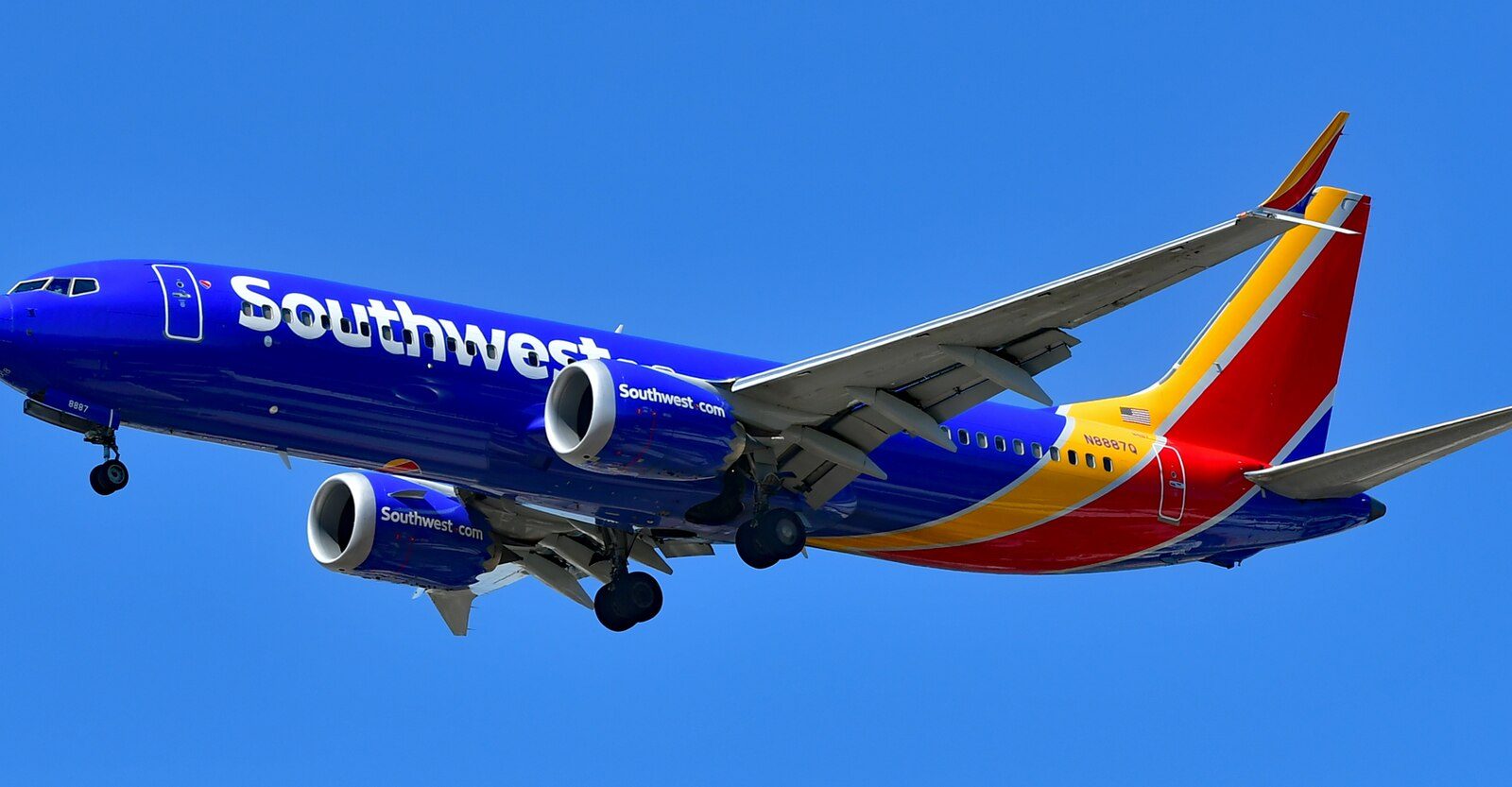
CFM International partner Safran has confirmed that its Leap engine production ramp-up is on track, with 1,565 units delivered across the first nine months of 2026 and a full-year target of 2,100 within reach, according to FlightGlobal.

The update matters because both Airbus and Boeing are pushing hard to increase narrowbody output, and engine supply has been a persistent constraint. As we explored in our piece on why Airbus has been struggling to deliver enough aircraft, powerplant shortages have been a central part of that problem.
What the Third-Quarter Numbers Show
FlightGlobal reports that Safran handed over 535 Leap engines in the third quarter of 2026 alone, bringing the nine-month total to 1,565.
Chief executive Olivier Andries addressed the figures during a briefing on 23 October. He said he was "very confident" of reaching 2,100 deliveries before the end of the year.
"We will deliver on our commitments to the airframers," Andries said.
The Leap Engine Path to 2,600 and Beyond
Safran's ambitions extend well beyond 2026. According to FlightGlobal, Andries said the company is aiming for 2,600 deliveries by 2028, with output expected to be "close to 3,000" by 2030.
"We have a strong confidence in our ability to ramp up our Leap deliveries," he said.
Those targets are tied directly to the production rates that Airbus and Boeing are chasing. Andries confirmed that Safran is working to support 75 aircraft per month for the Airbus A320neo family and 63 per month for the Boeing 737 MAX.
New Assembly Line and Parts Investment
To support the ramp-up, Safran has been investing across its manufacturing network. Andries highlighted a new assembly line in Morocco as part of that effort, as reported by FlightGlobal.
"We are also investing in our parts manufacturing everywhere, including forgings and casting," he added.
The breadth of that investment signals that Safran is treating the ramp-up as a supply chain challenge as much as an assembly one. Capacity at the component level has long been where narrowbody production programmes run into difficulty.
The Maverick Blade Delay for the 737 MAX
One note of caution in the update concerns the new high-pressure turbine blade, known internally as "maverick", for the Leap-1B engine that powers the Boeing 737 MAX.
FlightGlobal reports that introduction of the blade has been pushed back to early 2027 from the previously indicated 2026 date. The same blade was already introduced on the Leap-1A, which powers Airbus aircraft, in late 2024.
The delay will shift one-time profit recognition relating to rate-per-flight-hour contracts into next year for the 737 MAX variant. The commercial and financial implications will be watched closely.
Boeing's narrowbody programme has faced its own pressures of late. We recently covered the 150-aircraft 737 MAX deal with a Turkish carrier and the progress of the 737 MAX 10 towards FAA certification, both of which underline just how much is riding on this production ramp-up going smoothly.
CFM56 Production Continues to Wind Down
Away from the Leap programme, production of the older CFM56 engine is slowing markedly. FlightGlobal notes that only 12 CFM56 units were handed over in the third quarter, bringing the year-to-date total to 34.
The contrast with Leap volumes reflects where the market has moved. Narrowbody fleets are increasingly defined by A320neo and 737 MAX variants, and CFM56 demand is now largely a maintenance and aftermarket story rather than a new-build one.
Readers wanting to explore the broader landscape of aircraft manufacturers can use our Manufacturer Search to find related coverage and background.
The Bottom Line
Safran's update is broadly reassuring for airlines and airframers that have been waiting on engine deliveries. The 2,100 target for 2026 looks credible on current run rates, and the longer-term milestones of 2,600 by 2028 and close to 3,000 by 2030 give the supply chain a clear trajectory to plan around.
The maverick blade delay for the Leap-1B is the one moving part to monitor. It is a financial rather than an operational setback for now, but it serves as a reminder that even a programme running broadly on course can produce unexpected slippage at the component level.
Continue to follow The Aviation Hub for more analysis and insight.
Advertise with us Your brand, in front of an aviation audience Home page and in-article placements, sold directly, one advertiser per slot. From £250 a year. See the rates