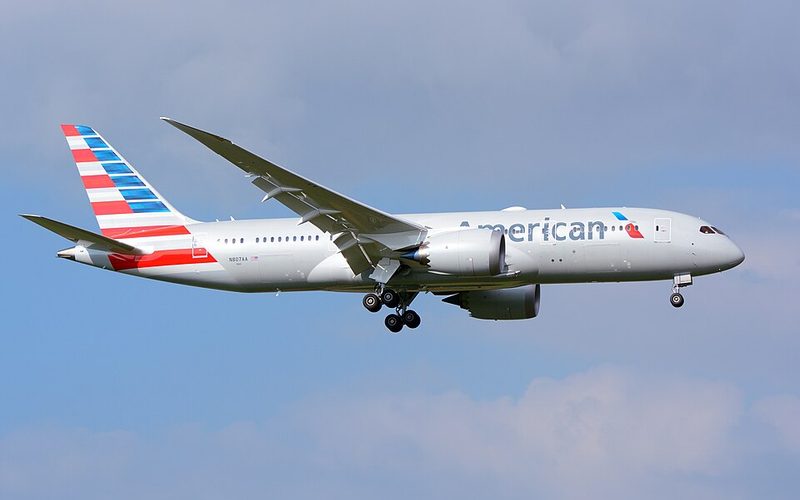
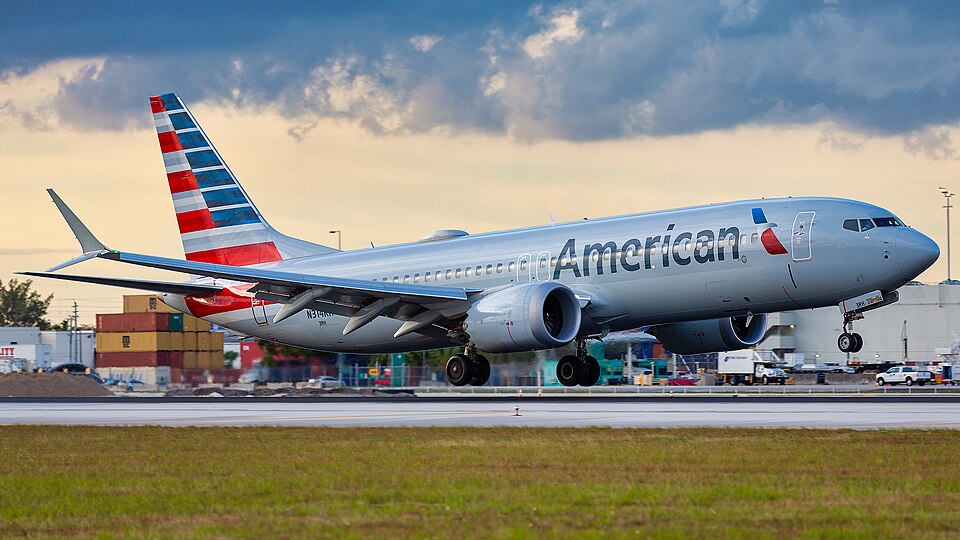
An American Airlines Boeing 737-8 MAX struck its tail on the runway at Santa Ana during a low go around. The incident occurred on 29 October 2026. Fortunately, the crew climbed away safely and landed on a second approach about 13 minutes later.
What Happened on Approach to Santa Ana
The aircraft, registered N335SN, was operating flight AA806 from Dallas Fort Worth to John Wayne Airport in Santa Ana. According to The Aviation Herald, the jet was on short final for runway 20R. The crew then initiated a go around at very low height.
However, the tail contacted the runway surface during the manoeuvre. Afterwards, the crew continued the climb to 3,000 feet.
FAA Confirms Tail Strike
The Federal Aviation Administration (FAA) also logged the Santa Ana event. In a brief report, the regulator confirmed that the aircraft experienced a tail strike during the go around.
The report does not state a cause. As a result, it remains unclear why the crew abandoned the approach so close to the runway.
Second Approach and Landing at Santa Ana
After the go around, the crew positioned the aircraft for another approach to runway 20R. The jet then landed at Santa Ana without further incident, about 13 minutes after the tail strike.
Runway 20R is the main runway at John Wayne Airport and measures just 5,700 feet, according to SkyVector. Consequently, it ranks among the shorter runways in regular airline use in the United States.
Readers can replay the full track of the flight on Flightradar24.

The Aircraft Involved
According to Planespotters.net, N335SN, the aircraft involved in the Santa Ana incident, is a Boeing 737 MAX 8 with manufacturer serial number 44481 and line number 7783.
Boeing built the jet at its Renton factory, where it carried three test registrations: N1786B, N1800B and N1787B. Planespotters lists the airframe as around seven years old, although it only joined American Airlines in January 2021.
American then ferried the jet from Boeing Field to Tulsa on 27 January 2021.
Today, it carries fleet number 3SN and seats 172 passengers, with 16 in first class and 156 in economy. In addition, two CFM International LEAP-1B engines power the jet.
Why Low Go Arounds Carry Tail Strike Risk
A go around close to the runway leaves very little margin for tail clearance. During the manoeuvre, pilots add thrust and raise the nose. However, the aircraft can continue to sink briefly before it starts to climb. Consequently, the tail can make contact if the main wheels are near the ground at that moment.
Aircraft Returns to Service After Santa Ana Incident
The Aviation Herald reports that the aircraft returned to service about 14 hours after landing at Santa Ana. Therefore, engineers appear to have found no significant damage during their inspection.
The Aviation Hub will update this story if the FAA or American Airlines releases further details. Meanwhile, readers can follow the latest emergencies, accidents and incidents on our Squawk 7700 page.
Continue to follow The Aviation Hub for more analysis and insight.
Advertise with us Your brand, in front of an aviation audience Home page and in-article placements, sold directly, one advertiser per slot. From £250 a year. See the rates