Seattle-Tacoma International Airport recorded over 52.7 million passengers in 2025, a record, according to its operator the Port of Seattle. That single figure goes a long way towards explaining why Alaska Airlines, Delta and United are collectively adding Seattle long-haul capacity at a rate that would have seemed implausible a decade ago.
A Hub That Has Outgrown Its Reputation
The Port of Seattle ranks Seattle-Tacoma (SEA) as the 11th busiest airport in the United States, served by 37 airlines flying to 96 nonstop domestic and 36 international destinations. Those are not the numbers of a minor regional gateway. Yet SEA has historically been treated as one, overshadowed by Los Angeles and San Francisco on the West Coast. The 2025 record passenger figure suggests the airport has quietly built a catchment and a connecting bank that now supports something more ambitious.
Alaska Airlines has been the primary architect of that ambition. The airline currently operates intercontinental routes from Seattle to Iceland, London, Rome, Seoul and Tokyo, a portfolio that did not exist in anything like its present form five years ago. Two more destinations arrive in 2027, and Alaska has stated plans for at least five additional intercontinental destinations by 2030.
How Alaska Built the Intercontinental Bank
The expansion has followed a clear sequence. Alaska began daily Seattle to Tokyo Narita flights in May 2025 using a Hawaiian-branded Airbus A330-200, as Aviation Week reported, following the closure of the Hawaiian Airlines acquisition in September 2024. That deal gave Alaska widebody aircraft it had not previously operated, which unlocked transoceanic flying at a stroke. Aviation Week also reported that Alaska transitioned the Tokyo Narita route to Boeing 787-9 equipment in January 2026, standardising the long-haul fleet. The airline opened Seattle to Seoul Incheon service in September 2025, according to Aviation Week, adding a second major Asian city within months.
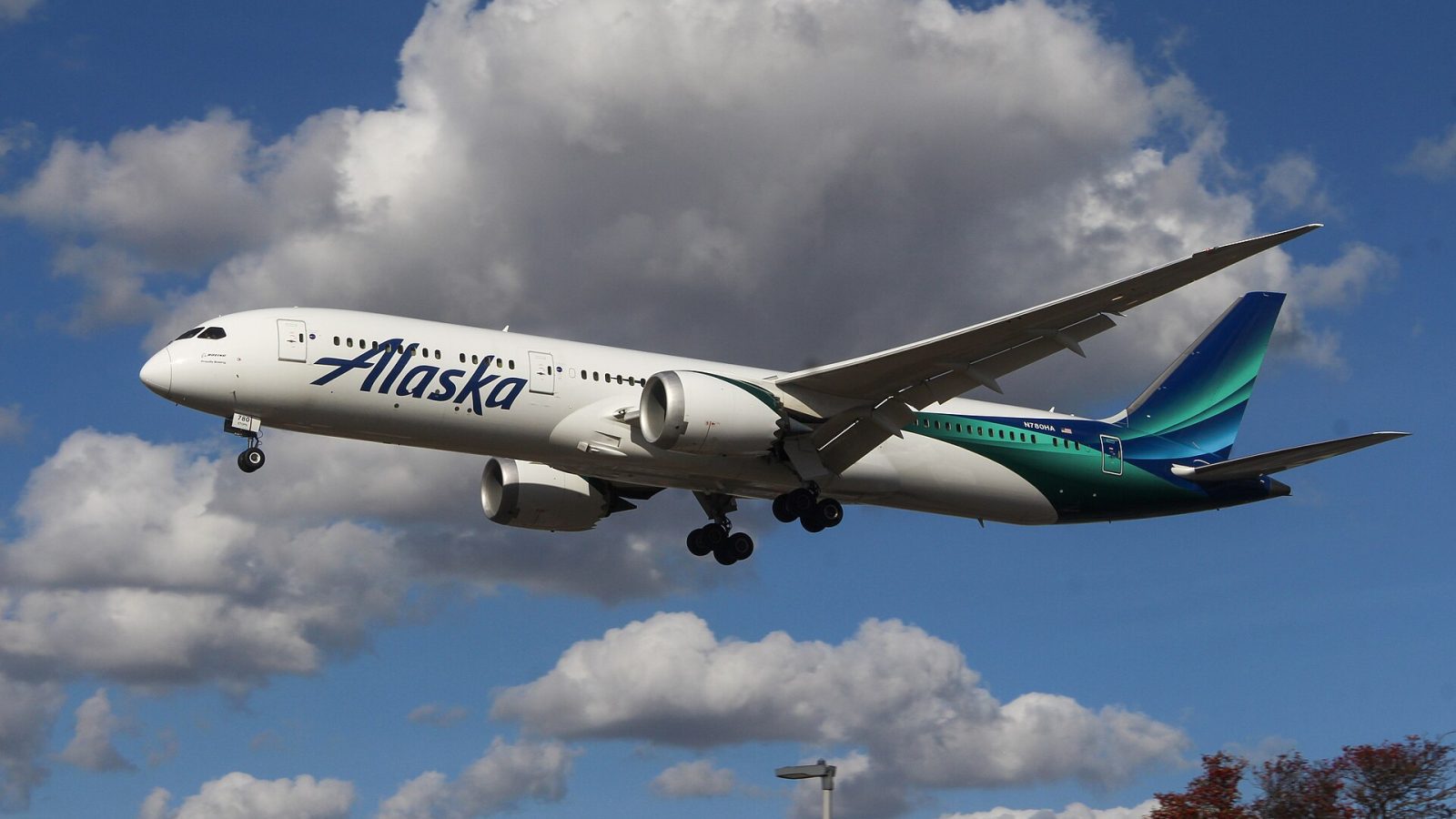
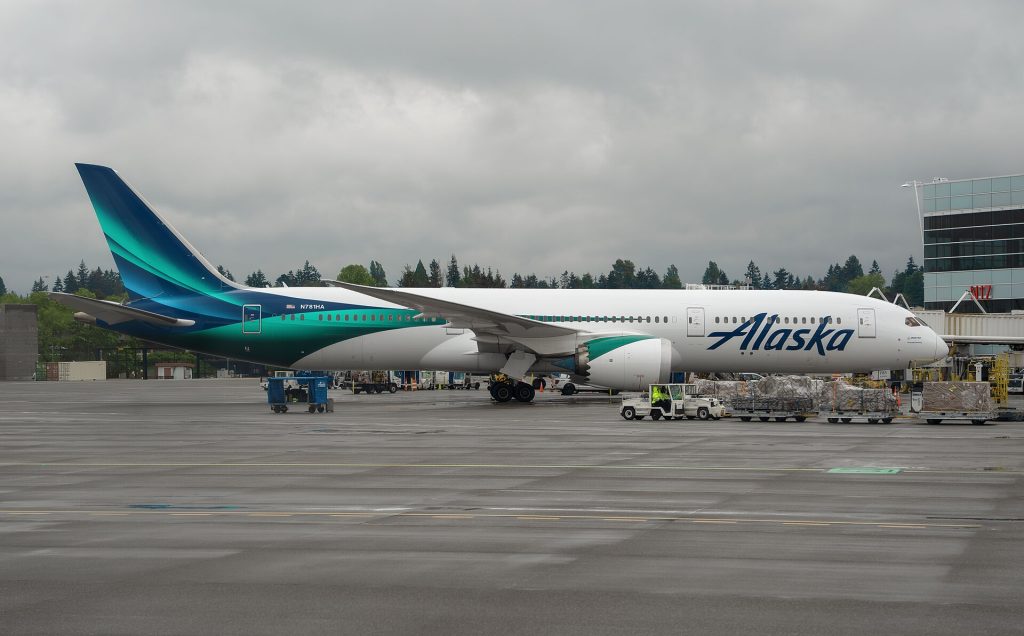
The Boeing 787-9 is now the platform for the next wave. Both the new Athens and Paris routes will be operated with 787-9 aircraft, Alaska Airlines confirmed.
You can explore the full 787-9 family specifications using our Aircraft Search.
Athens and Paris: The Numbers Behind the Headlines
The two routes announced for 2027 carry a weight of superlatives that the underlying figures justify. Alaska's flight AS196 to Athens launches on 12 May 2027, three times per week. It will be the longest route Alaska has ever flown, the first nonstop service between Seattle and Athens, and the only nonstop West Coast to Athens service. Those three distinctions together make it a genuinely new piece of network rather than a frequency addition to an existing corridor.
Flight AS136 to Paris Charles de Gaulle begins on 25 May 2027, five times per week, and carries its own first: Alaska will become the only oneworld airline offering nonstop West Coast to Paris service. That is a competitive positioning point, not just a marketing one. No other member of the alliance covers that routing nonstop, which means Alaska holds the premium connecting value within oneworld for West Coast originating passengers travelling to Paris.
Introductory roundtrip Main Cabin fares for the new routes start at $999, according to the airline.
Once Athens and Paris are operational, Alaska will serve at least seven intercontinental destinations from Seattle. Measured against the 36 total international destinations the Port of Seattle counts at SEA, Alaska's intercontinental flying will account for a significant share of the airport's international footprint.
Delta's Parallel Move and What It Signals
Alaska is not alone. Our earlier analysis, Delta Air Lines Pacific Expansion: Two Quarters of Lagging the Competition, found Delta working to close a gap in trans-Pacific flying. The carrier has since moved on Seattle. Jeff Arinder, Delta's Vice President of International Network Planning, addressed the rationale directly: "Japan continues to be one of the most important and beloved destinations in Delta's global network and adding Seattle-Narita service gives our customers even more choice when planning their travel." That statement was reported by Aviation Week.
The choice of Seattle for a Japan frequency, alongside Los Angeles and other Pacific gateways, signals that Delta views SEA as a viable origin and connecting point in its own right, not merely a secondary option.
Do the Seattle Long-Haul Traffic Numbers Justify the Capacity?
This is the question the figures have to answer. The 52.7 million passenger record at SEA in 2025 provides a demand foundation, but long-haul routes live or die on yield, not volume alone. The concentration of capacity on a small number of key markets (Tokyo appears on both Alaska's and Delta's schedules, for instance) creates an overlap that will test whether Seattle's demand base is deep enough to support multiple operators on the same corridor.
Alaska's move to 787-9 equipment across its long-haul network is a coherent response to that challenge. The type offers the range and the seat economics to make thinner routes viable at lower load factors than older widebody aircraft required. We examined Boeing's production pressures in our coverage of Boeing cutting 5% of its commercial workforce as 737 MAX ramp-up slipped, and those constraints remain a background risk for any airline building a 787-dependent long-haul programme.
The Bottom Line
Seattle-Tacoma's transformation from a predominantly domestic hub to a nine-route long-haul player is backed by a record passenger count and a credible fleet strategy. Alaska's pledge of at least five more intercontinental destinations by 2030 sets a clear trajectory. The 2027 Athens and Paris launches will be the first real test of whether the airport's demand base stretches across the Atlantic as convincingly as it has across the Pacific. The fare levels, load factors and yield data that emerge from those inaugural seasons will tell the industry whether SEA has genuinely joined the top tier of US long-haul hubs, or whether the capacity surge has run ahead of the market.
This article draws on information from Alaska Airlines (airline) and reporting by Port of Seattle (airport operator) and Aviation Week.
Continue to follow The Aviation Hub for more analysis and insight.
Advertise with us Your brand, in front of an aviation audience Home page and in-article placements, sold directly, one advertiser per slot. From £250 a year. See the rates