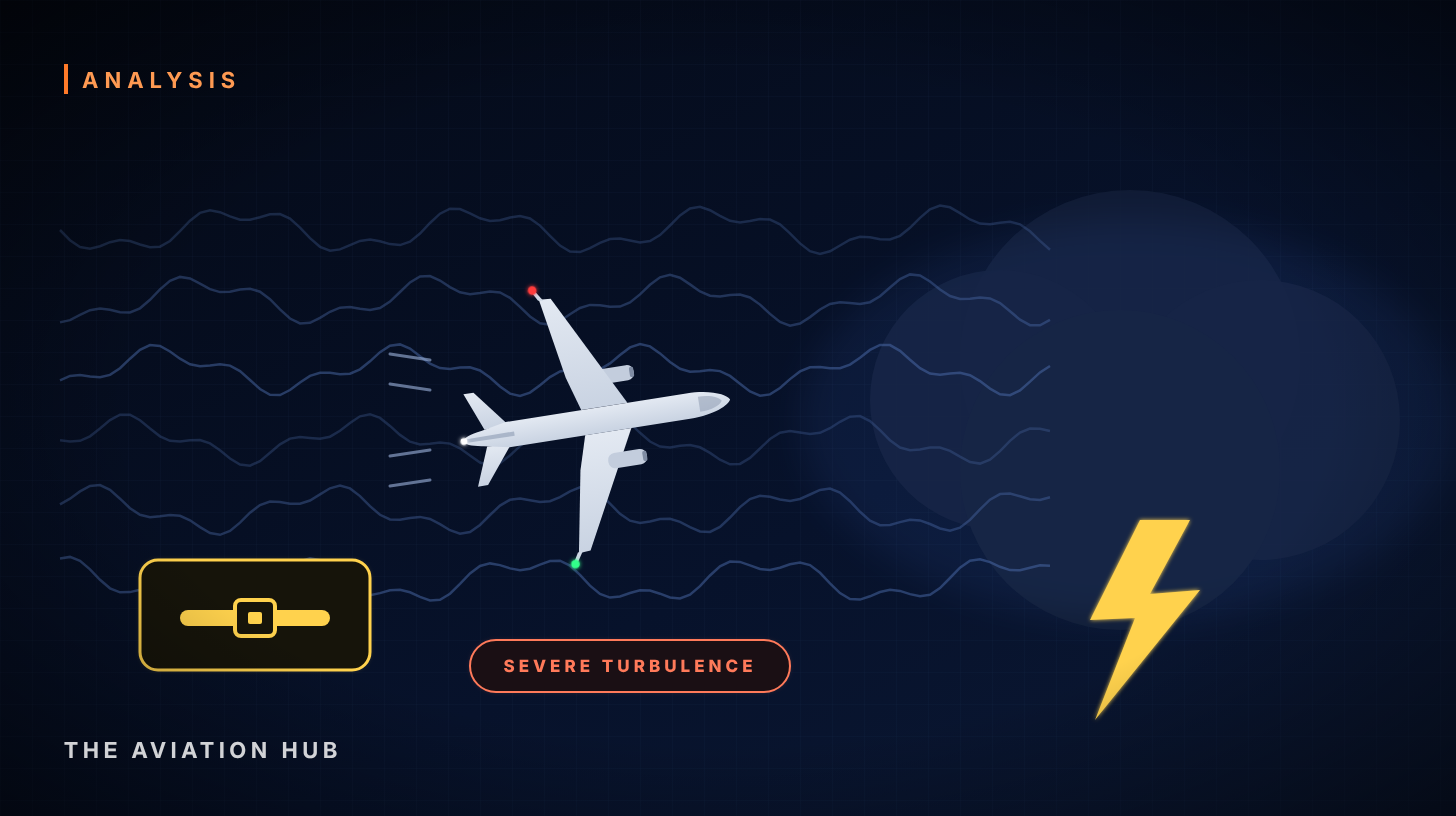
Five people needed medical checks after a JetBlue flight hit severe turbulence on its way to Florida, the latest in a string of incidents this year. Here is what causes severe turbulence, whether it is getting worse and how passengers can protect themselves.
Severe turbulence has caused injuries on another passenger flight. JetBlue flight 1717 from Ponce, Puerto Rico, to Fort Lauderdale hit turbulence on Tuesday 17 November, and five people, including cabin crew, were evaluated by medical staff after landing, according to Simple Flying.
All five declined hospital treatment, and the Airbus A320 landed safely with no structural damage reported. JetBlue said the flight “experienced turbulence during the flight.”
What Caused It
The exact cause has not been established. Thunderstorms were reported over the Turks and Caicos and the southern Bahamas that morning, with cloud tops reaching about 46,000 feet, and other aircraft in the area reported light to moderate turbulence, Simple Flying reports.
Storms are one of the most common sources of turbulence. Pilots can usually see them on weather radar and route around them, but the air around large storm systems can still be rough.
Part of a Pattern
The JetBlue flight is not an isolated case. In October, an Avianca A320 diverted to Miami after turbulence left nine people injured. In May, a Cathay Pacific A350 hit severe turbulence that injured ten.
Most turbulence is mild. But each serious encounter is a reminder of how quickly conditions in the cabin can change.
Is Turbulence Getting Worse?
There is evidence that it is. A study led by the University of Reading found that the amount of severe clear air turbulence over the North Atlantic rose by 55% between 1979 and 2020, according to the American Geophysical Union.
At an average point over the North Atlantic, severe clear air turbulence rose from 17.7 hours a year to 27.4 hours. The researchers linked the rise to climate change, which is strengthening the wind shear in the jet stream.
That matters for British travellers. The North Atlantic is one of the busiest routes in the world, used by every flight between the UK and North America.
Why Clear Air Turbulence Is Dangerous
Clear air turbulence is the hardest kind to avoid. It occurs in cloudless skies, often near the jet stream, and does not show up on weather radar, so pilots may get little or no warning.
The cost is significant too. Turbulence costs the US airline industry between $150 million and $500 million a year, the study found, through injuries, delays and damage to aircraft.
Who Gets Hurt
Most injuries happen to people who are not strapped in. Cabin crew are particularly at risk, as they spend much of the flight on their feet, serving passengers and moving through the cabin.
Passengers who are walking to the toilet, standing in the aisle or sitting without a seatbelt can be thrown against the ceiling or into seats and other passengers when an aircraft drops suddenly.
How to Protect Yourself
The single most effective step is to keep your seatbelt fastened whenever you are seated, even when the seatbelt sign is off. A loosely fastened belt is enough to stop you being lifted from your seat.
Follow crew instructions immediately when the seatbelt sign comes on, store heavy bags in the overhead lockers or under the seat in front, and keep hot drinks to a minimum when the flight is bumpy.
Your Rights if You Are Injured
Turbulence is not usually a reason for compensation under delay and cancellation rules. But on international flights, airlines can be liable for passenger injuries under the Montreal Convention, the treaty that sets the rules for injury claims.
Anyone injured should report it to the crew before leaving the aircraft, seek medical attention and keep records of any treatment and costs.
The Bottom Line
Severe turbulence remains rare, but the JetBlue incident shows how quickly it can injure passengers and crew. Research suggests it is becoming more frequent on busy routes such as the North Atlantic.
The best protection is simple. Keep your seatbelt fastened whenever you are in your seat, and follow the crew’s instructions the moment the sign comes on.
Continue to follow The Aviation Hub for more analysis and insight.
Advertise with us Your brand, in front of an aviation audience Home page and in-article placements, sold directly, one advertiser per slot. From £250 a year. See the rates