

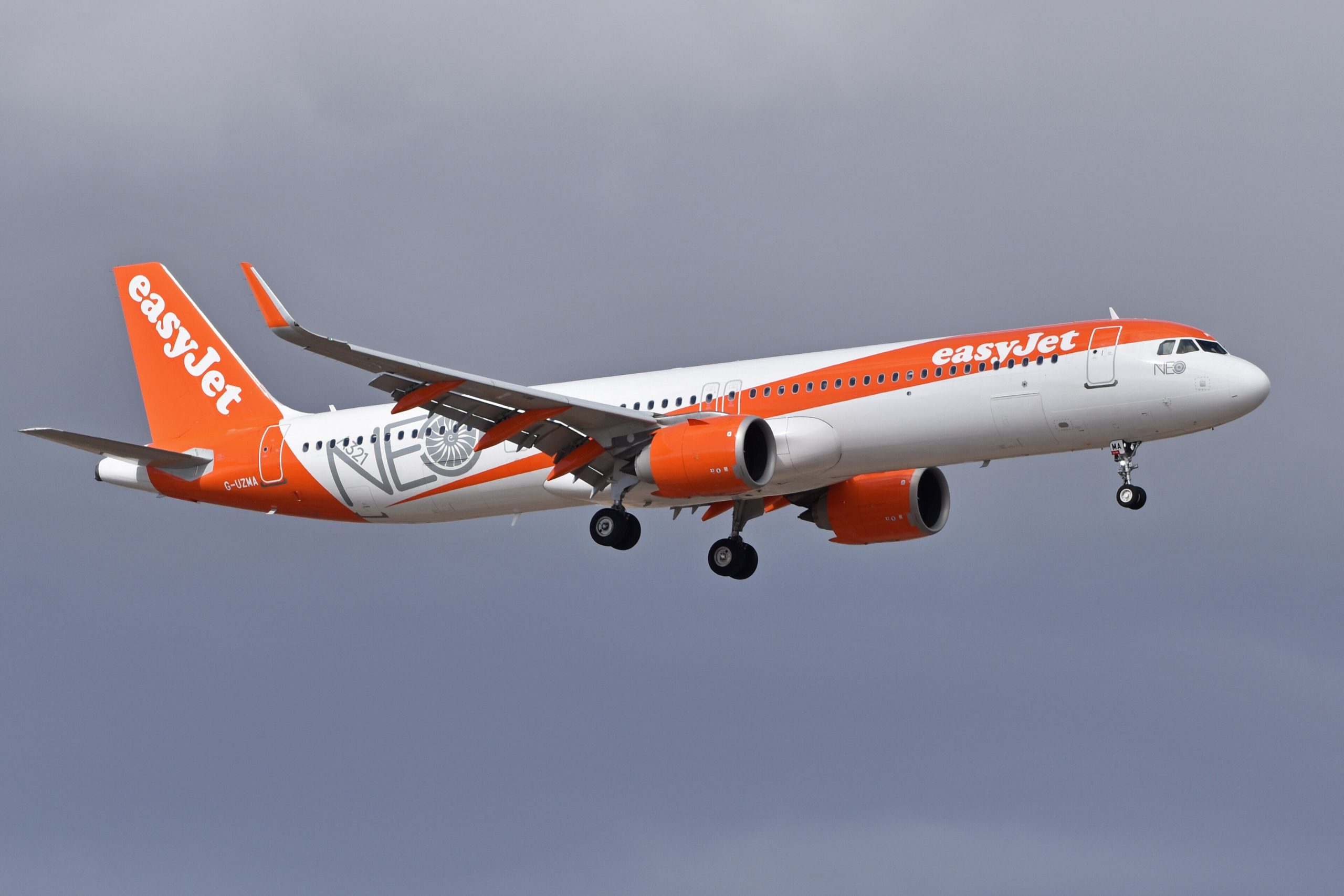
easyJet rejects Castlelake’s takeover bid, sparking debate over valuation, timing and whether shareholders missed a premium or avoided selling too cheaply.
easyJet finds itself at a pivotal moment in its modern history.
A company long seen as a pillar of European low cost aviation is once again under scrutiny, not because of operational performance alone, but because of its underlying value.
The unsolicited approach from US investment firm Castlelake has forced investors, analysts and executives alike to confront a difficult question about the airline’s true worth.
The bid, valued at around £4.7 billion or 625 pence per share, arrived at a time when easyJet’s share price had been under pressure.
External shocks, including geopolitical tensions affecting travel demand and fuel prices, have weighed on airline valuations across Europe.
In this context, Castlelake’s proposal offered a significant premium to the pre approach share price, immediately sparking debate about whether it represented fair value or opportunistic timing.
easyJet’s board moved quickly to reject the offer, describing it as opportunistic and not in the best interests of shareholders.
That decision has opened a wider strategic debate.
Should airlines accept generous short term premiums when offered, or resist when they believe long term potential is being undervalued.
This article explores whether easyJet made the right call.
The Details of the Castlelake Offer
Castlelake’s proposal valued the airline at approximately £4.74 billion, equivalent to about 625 pence per share.
This represented a substantial premium to the share price before the firm first disclosed its interest.
In fact, the offer was roughly 57 to 59 percent above the undisturbed level in late May.
The firm had made multiple approaches, increasing its bid from 560 pence to 600 pence and finally to 625 pence per share.
This escalation suggests Castlelake was serious in its intent and willing to improve terms to try to secure engagement.
It also signals that, in the firm’s assessment, easyJet represented an attractive asset at these levels.
The bid came with the usual private equity logic.
Castlelake likely sees value in restructuring, operational improvement, and eventually exiting the investment at a higher valuation.
Its background in aviation related assets reinforces the view that this is not a speculative move but a targeted play on perceived undervaluation.
easyJet Rejection and its Reasoning

The airline’s leadership dismissed the proposal in strong terms.
The board described it as an attempt to acquire easyJet on the cheap and argued that it fundamentally undervalued the business and its future prospects.
A central argument was timing.
easyJet highlighted that the bid arrived when its share price had been temporarily depressed by external factors such as geopolitical tensions and weaker booking patterns.
From the board’s perspective, accepting such an offer would effectively crystallize a low point in the airline’s valuation.
The company also pointed to its strategic trajectory. easyJet has been investing in its holidays division and positioning itself for stronger profitability in the medium term.
Management has expressed confidence in delivering significant pre tax profits over time, reinforcing the belief that the company’s intrinsic value exceeds the bid on the table.
Assessing the Premium on Offer

On the surface, the premium was undeniably attractive.
In most takeover situations, a premium of more than 50 percent is considered strong.
This alone makes the offer difficult to dismiss outright, particularly for short term shareholders focused on immediate returns.
However, premiums must be considered in context.
If the underlying share price is artificially suppressed due to short term disruptions, then even a large premium may still fall short of true value.
This appears to be the argument advanced by easyJet’s board, which sees current market conditions as unrepresentative of the company’s long term earning power.
The airline’s market capitalisation has fluctuated significantly over the past decade, reflecting both industry cycles and company specific challenges.
While currently around £3.7 to £3.9 billion, it has historically reached much higher levels.
This historical perspective supports the view that the business could be worth more in a normalized environment.
Strategic Assets and Hidden Value at easyJet?

One of the key reasons airlines attract takeover interest is the value of their assets beyond headline earnings.
easyJet holds valuable airport slots across Europe, particularly at capacity constrained airports.
These slots are difficult to acquire and can be extremely valuable in the long term.
The airline’s fleet also represents a significant asset base.
Estimates suggest that the value of its aircraft alone can be substantial, reinforcing the idea that the company’s breakup or asset value may exceed its public market valuation.
Private equity buyers are often adept at identifying such discrepancies.
Castlelake’s interest likely reflects a belief that the market is undervaluing these underlying assets.
In such cases, selling too early risks transferring future upside from public shareholders to private investors.
The Risks of easyJet Rejecting the Bid
Despite the arguments against accepting the offer, rejecting it carries its own risks. The airline industry remains volatile, and recovery is not guaranteed.
External shocks such as fuel price spikes, geopolitical instability, or shifts in consumer demand can quickly derail growth assumptions.
easyJet has already acknowledged challenges including weaker bookings and rising costs.
If these pressures persist, the company’s share price could stagnate or fall further, making the rejected premium look more attractive in hindsight.
There is also the possibility that Castlelake, or any other bidder, does not return with a higher offer.
In that scenario, shareholders who might have preferred an immediate exit at a premium could find themselves exposed to continued uncertainty.
The Case for Holding Out

On the other hand, rejecting the bid may ultimately prove the correct strategic decision if easyJet can deliver on its growth plans.
The company believes it can achieve stronger profitability in the coming years and expand its higher margin holidays business.
If this materializes, the airline’s valuation could rise significantly above current levels, potentially exceeding the implied value of Castlelake’s proposal.
In such a scenario, accepting the bid would have meant selling at a discount to future performance.
There is also a broader trend at play. London listed companies have often been targeted by overseas buyers due to relatively lower valuations compared to US markets.
easyJet’s resistance may reflect a wider reluctance among UK boards to accept bids perceived as opportunistic rather than fully reflective of intrinsic value.
Overall…
The question of whether easyJet should have accepted Castlelake’s bid ultimately hinges on one’s time horizon and confidence in the airline’s recovery.
From a purely financial perspective, the premium offered was significant and would have delivered immediate value to shareholders.
However, the board’s rejection is grounded in a longer term view. Management believes the bid fails to reflect the true worth of the company, particularly once current market distortions fade.
Given the strength of easyJet’s assets and its strategic positioning within European aviation, this argument carries weight.
In this light, the decision to reject appears defensible.
While not without risk, it signals confidence in the company’s future and a willingness to prioritize long term value over short term gain.
For now, easyJet is betting that patience will be rewarded and that the market will eventually recognize a higher valuation than Castlelake was willing to pay.
Continue to follow The Aviation Hub for more analysis and insight!
Advertise with us Your brand, in front of an aviation audience Home page and in-article placements, sold directly, one advertiser per slot. From £250 a year. See the rates