
The SWISS airBaltic wet-lease arrangement is set to end once the winter 2026/27 timetable concludes, as SWISS moves to bring more flying back under its own operation. According to Aviation24.be, by summer 2027 SWISS is targeting a wet-leased fleet of around 18 aircraft, down from the current 26, meaning as many as eight externally operated jets would be removed from the arrangement.
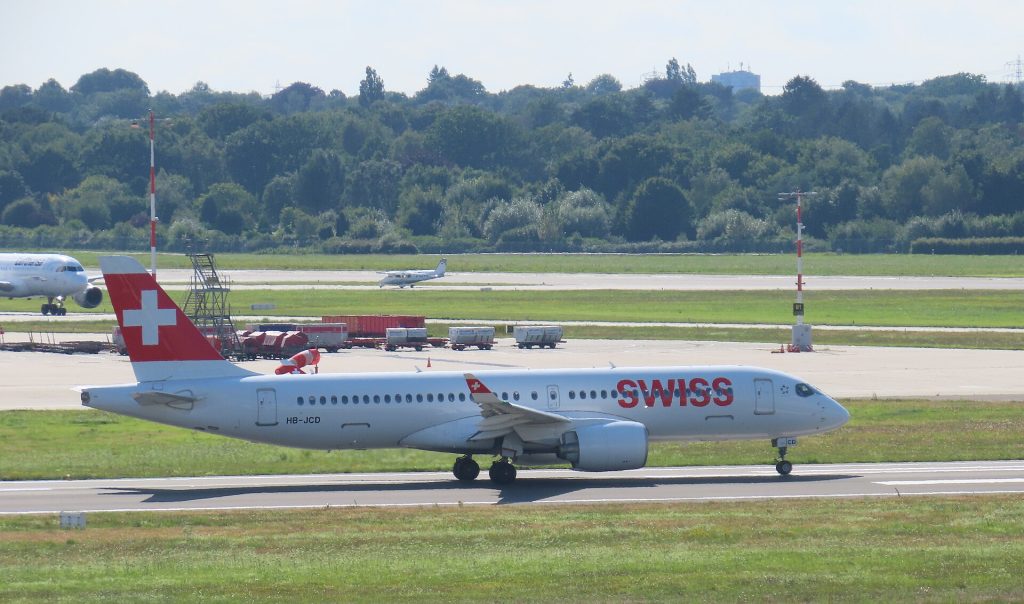
The move reflects a broader shift in how the airline intends to manage its capacity, with Helvetic Airways set to absorb the remaining wet-lease requirement as SWISS's primary partner going forward.
Why the SWISS airBaltic Agreement Is Ending
SWISS pointed to two improving conditions as the basis for scaling back its reliance on wet-lease partners. Aviation24.be reports that better Pratt & Whitney engine availability has enabled the airline to return more of its own aircraft to service, while improved cockpit staffing levels mean SWISS can now crew those aircraft more reliably.
Wet-lease partners had been called upon to fill the gap created by engine shortages, additional training requirements, and constrained pilot resources. With those pressures easing, the case for maintaining the current number of external operators has weakened.
SWISS thanked airBaltic for its contribution during the period of disruption, according to Aviation24.be, though no specific number of airBaltic aircraft affected by the agreement's expiry was disclosed.
Helvetic Airways Takes on the Remaining Role
Rather than exiting wet-lease arrangements entirely, SWISS is consolidating. Aviation24.be reports that the expanded partnership with Helvetic Airways is designed to preserve flexibility for seasonal peaks and short-notice operational needs, the type of demand that a purely own-fleet model would struggle to absorb without over-provisioning year-round.
This approach points to a pragmatic rather than a wholesale retreat from wet-leasing. SWISS appears to be rationalising its external partnerships down to one trusted partner rather than eliminating the model altogether.
What It Means for airBaltic
The end of the SWISS agreement adds to a difficult period for airBaltic. As we reported in August, the airBaltic A220 fleet cut is another blow for Airbus, with the Latvian carrier already navigating pressure on its fleet plans. Losing wet-lease revenue from a Lufthansa Group airline is a further commercial headwind at a challenging time.
For SWISS itself, the context is equally worth noting. Our earlier analysis of SWISS retiring its A220-100 fleet outlined how the carrier's fleet strategy is in active transition, and the wet-lease reduction fits that same pattern of the airline reshaping its operation around improved internal conditions.
Conditions Must Hold
Aviation24.be notes that CEO Jens Fehlinger made clear the fleet reduction is conditional: sufficient crews, suitable operating conditions, and adequate advance planning must all be in place for the target of around 18 wet-leased aircraft to be reached by summer 2027.
That caveat matters. The Pratt & Whitney engine situation has shown how quickly external factors can force capacity decisions in an unexpected direction. The target of 18 aircraft should be read as a plan rather than a commitment.
The Bottom Line
SWISS is using an easing of engine and staffing pressures to bring more flying back in-house, and is streamlining its external partnerships to a single relationship with Helvetic Airways. The airBaltic agreement ends after winter 2026/27, and the precise number of aircraft involved has not been confirmed.
For those tracking how SWISS's fleet and partner arrangements develop, our Airline Search tool is a useful starting point for the latest on the carrier and its operations.
Continue to follow The Aviation Hub for more analysis and insight.
Advertise with us Your brand, in front of an aviation audience Home page and in-article placements, sold directly, one advertiser per slot. From £250 a year. See the rates