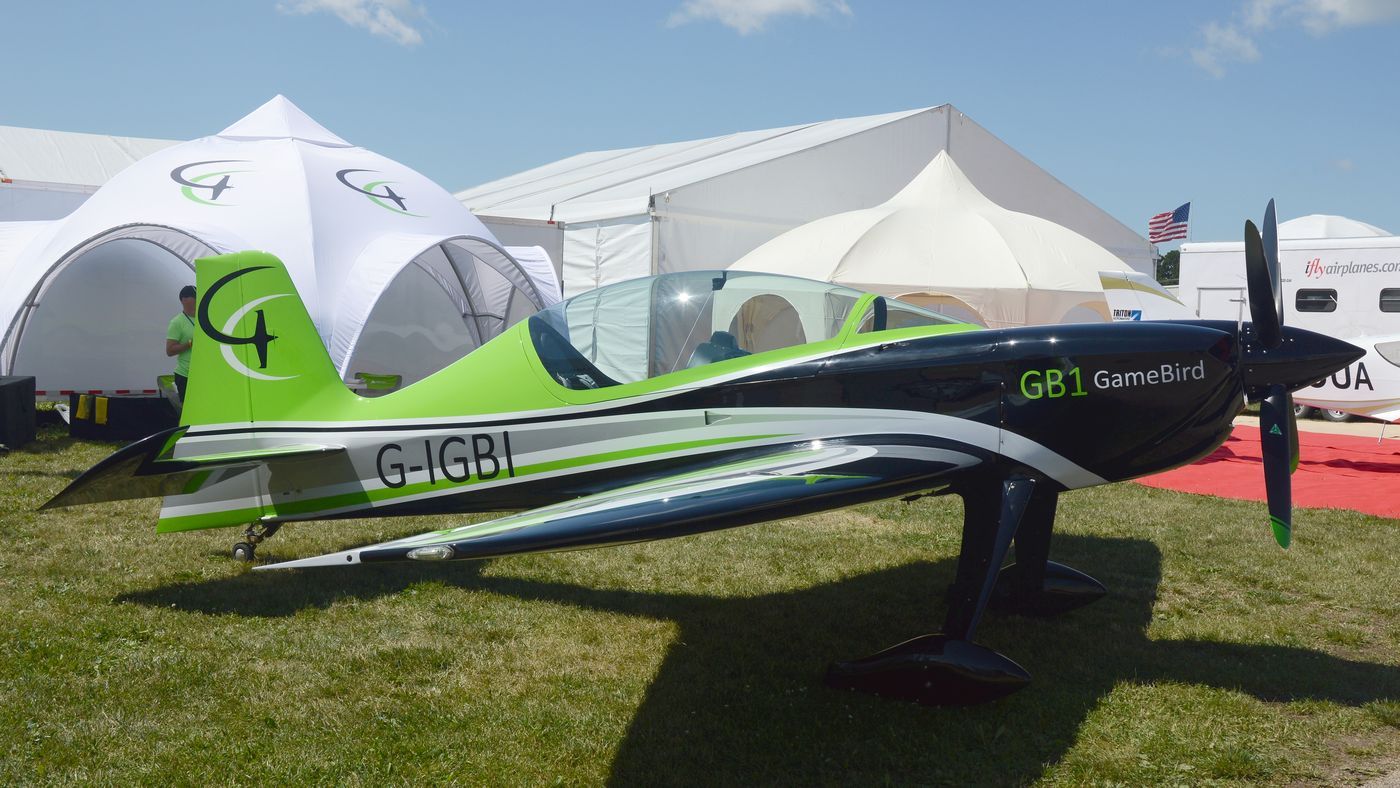
The US Air Force has officially unveiled the T-19A Kestrel aerobatic trainer at the Air Force Academy, marking the service's first powered aerobatic platform dedicated to cadet instruction. Four aircraft made their public debut on 12 November, following the completion of certification flights ahead of delivery, as reported by Breaking Defense: air and Air Data News.
The T-19A is a two-seat, single-engine design built by Game Aerospace Composites, based on the GB1 GameBird. The War Zone reported that the GameBird was developed by designer Philipp Steinbach in partnership with Steuart Walton, of the Walmart family.
From Concept to Four Aircraft in Ten Months
The pace of this programme is striking. Breaking Defense: air reports and Air Data News confirms that the programme moved from concept to four aircraft built and delivered in just ten months. Gen. Kenneth Wilsbach, Air Force Chief of Staff, described the achievement as going "from an idea to four aircraft built and delivered," according to Breaking Defense: air.
The War Zone reported that the aircraft flew over the Academy before landing at Davis Airfield for the public unveiling.
How the Aircraft Were Funded
The four aircraft were funded entirely through corporate and civilian donations valued at approximately $3 million, according to Breaking Defense: air and Air Data News. The Air Force did not purchase the aircraft directly. Instead, an Air Force spokesperson told Breaking Defense: air that "the gift is worth $3 million and the Air Force invested approximately $400,000 to supplement the gift of initial spares, and the procurement of necessary support equipment and aircrew flight equipment for the initial cadre and future cadets."
Looking ahead, the Air Force will budget approximately $1 million annually to sustain the fleet, as confirmed by both Breaking Defense: air and Air Data News.
What the T-19A Kestrel Will Do for Cadets
The Academy's superintendent made clear the ambition behind the new platform. Lt. Gen. Paul Moga told Breaking Defense: air: "This aircraft will provide an opportunity to train our cadets in ways that were previously not possible."
As the Academy's first powered aerobatic aircraft, the T-19A fills a gap that no previous platform could address. The aim is not merely to teach flying skills. As Lt. Gen. Moga put it, the programme will "strengthen their aviation skills and develop the confidence, discipline and leadership required of future Air Force officers," he said to Breaking Defense: air.
You can explore the T-19A and other military aircraft using our Aircraft Search tool.
A Service Under Pressure to Develop Aviators
The backdrop to this investment is a significant personnel challenge. Breaking Defense: air reports that the Air Force faces a shortfall of approximately 2,000 aviators, a gap expected to take years to resolve. A dedicated aerobatic trainer that builds confidence and skill at the Academy level is a logical upstream response, putting more capable and better-prepared candidates into the broader pipeline.
The US Air Force's efforts to maintain and expand its aviation capabilities sit alongside wider pressures in the defence aviation space. Our earlier coverage of Mar-a-Lago air defence arrangements involving F-16 intercepts gives a sense of the operational environment US military aviators are expected to operate in.
The Bottom Line
The T-19A Kestrel represents a meaningful addition to Academy training, delivered at speed and largely at no cost to the taxpayer for the aircraft themselves. The donation model that funded this fleet is unusual, and the ten-month timeline from concept to delivery is genuinely fast for a military platform. Whether the aircraft lives up to its billing as a confidence and leadership builder will depend on how the training syllabus takes shape around it. That is the detail to watch in the months ahead.
This article draws on reporting by Breaking Defense: air and Air Data News.
Continue to follow The Aviation Hub for more analysis and insight.
Advertise with us Your brand, in front of an aviation audience Home page and in-article placements, sold directly, one advertiser per slot. From £250 a year. See the rates