
Turkish Airlines Signs CFM Deal: 300 LEAP-1B Engines for 737 MAX Fleet
Turkish Airlines has signed an MOU with CFM International for more than 300 LEAP-1B engines to power up to 150 new Boeing 737 MAX aircraft.
 By The Aviation Hub
4 min read
By The Aviation Hub
4 min read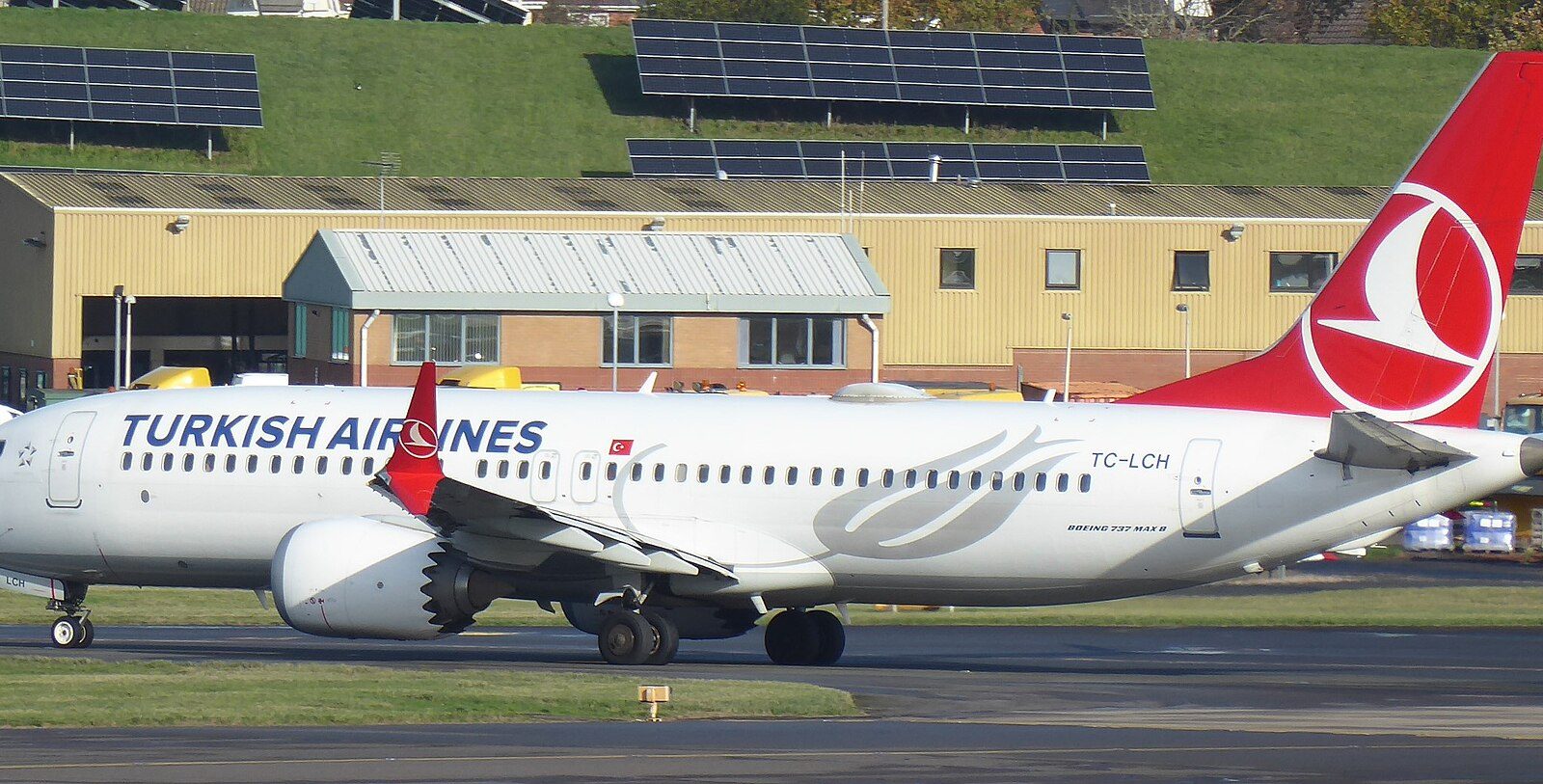
Turkish Airlines has signed a Memorandum of Understanding with CFM International for more than 300 LEAP-1B engines, alongside long-term service support covering over 600 engines across its entire LEAP-1B fleet. The signing took place in Istanbul on 16 October 2026.
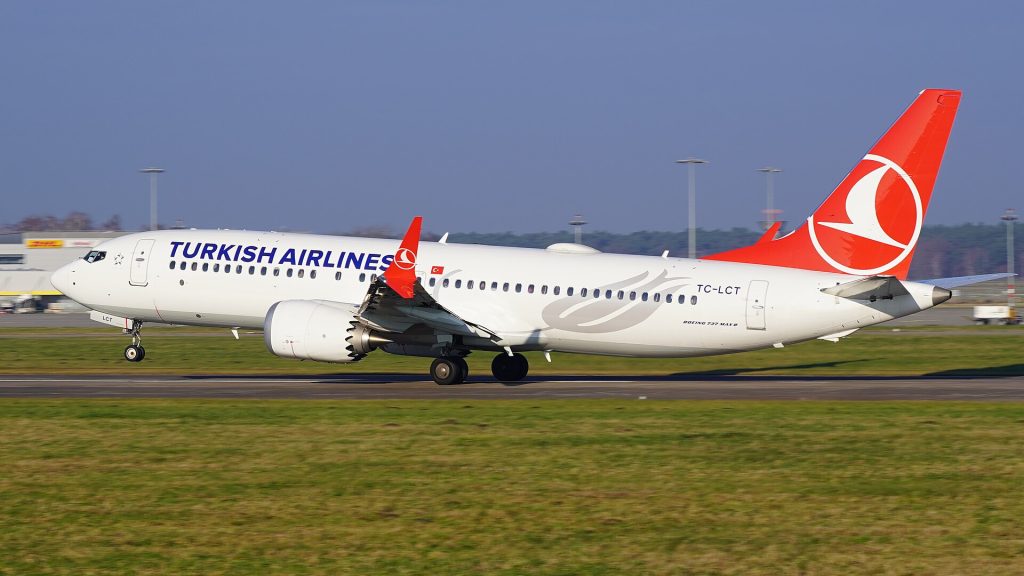
The deal is directly tied to a Boeing order Turkish Airlines placed in September 2026, covering 100 Boeing 737 MAX 8 aircraft with options for a further 50 jets. The MOU positions CFM as the engine and long-term service partner for that entire expansion programme.
What the Turkish Airlines MOU Covers
According to AeroTime, the 300-plus LEAP-1B engines, including spares, are intended to power up to 150 new 737 MAX aircraft. The long-term services agreement goes further, covering previously ordered and delivered engines, spares, engines associated with leased aircraft, and potential options.
Engines operated by Turkish Airlines subsidiary AJet are also included within the scope of the agreement. That breadth makes this a fleet-wide commitment rather than a contract limited to new deliveries alone.
The MRO Element
The MOU includes a material services agreement to support the establishment of an engine maintenance, repair and overhaul (MRO) facility in Turkey. This element gives the agreement a strategic dimension beyond straightforward engine supply.
Murat Şeker, Chairman of the Board and the Executive Committee of Turkish Airlines, said the deal would support the airline's "growing fleet, network, and the operational efficiency." He added that the airline was "pleased to strengthen our partnership with CFM through a comprehensive set of services, providing the expertise, reliability, and long-term support needed to develop our LEAP MRO capabilities alongside a long-standing partner."
Who Signed and Where
The ceremony in Istanbul brought together Şeker, Olivier Andriès, CEO of Safran (one of CFM's two parent companies), and Mikail Akbulut, CEO and Board Member of Turkish Technic. The involvement of Turkish Technic underlines the MRO dimension of the agreement.
Lawrence Culp, CEO of GE Aerospace, which jointly owns CFM International with Safran, also commented on the deal. "We are proud to partner with Turkish Airlines as it continues flying to the most countries in the world," Culp said. "Putting its trust in CFM to provide highly reliable and efficient engines to support the growth of its Istanbul network and engine MRO capabilities is a responsibility we take seriously."
The Current Fleet Picture
Turkish Airlines and AJet together currently operate 96 Boeing 737 NG aircraft powered by CFM56-7B engines, as well as 79 Boeing 737 MAX aircraft powered by LEAP-1B engines, AeroTime reports. The new MOU is built on that existing relationship and extends it substantially.
Andriès described the agreement as reflecting "our shared ambition to support the airline's continued growth and fleet expansion." He added that it "demonstrates our broader commitment to an open MRO ecosystem, which provides airlines with flexibility and competitive services to improve operational performance and manage costs effectively."
You can explore Turkish Airlines' network and fleet in more detail using our Airline Search tool.
Why This Deal Matters
Turkish Airlines has been on an aggressive expansion path. A single MOU that covers new engine supply, long-term servicing for more than 600 engines, and support for a domestic MRO facility represents a significant deepening of the carrier's relationship with CFM, locking in operational continuity across both its mainline and low-cost operations for years ahead.
The scale of activity in the narrowbody market is considerable at present. Our recent coverage of the Embraer E2 interest from Japan Airlines illustrates how airlines across the world are committing to next-generation narrowbody programmes, and Turkish Airlines is now firmly positioned at the larger end of that trend.
The Bottom Line
This MOU gives Turkish Airlines the engine supply and long-term support framework it needs to absorb up to 150 new 737 MAX aircraft while also building domestic MRO capability. For CFM, it secures a significant long-term customer across both new deliveries and aftermarket services.
The agreement remains a Memorandum of Understanding rather than a firm contract, so final terms are still to be concluded. What is clear is that both sides have committed in principle to a comprehensive partnership that goes well beyond a standard engine purchase.
Continue to follow The Aviation Hub for more analysis and insight.
Advertise with us Your brand, in front of an aviation audience Home page and in-article placements, sold directly, one advertiser per slot. From £250 a year. See the rates
.jpg)