
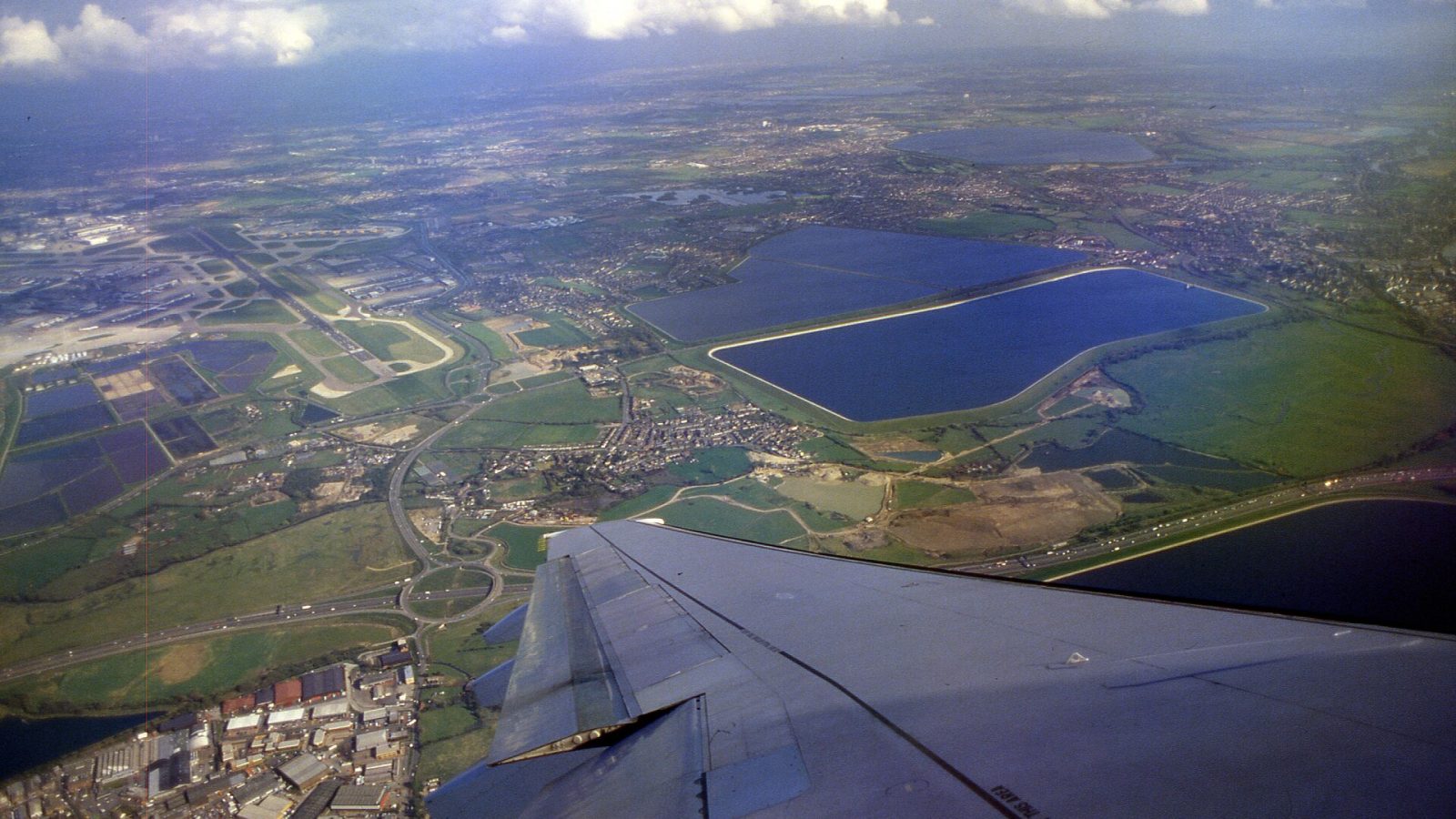
The single most clarifying fact in British aviation policy is also the most easily misread: UK runway capacity, taken as a national average, sits at roughly 40% utilisation. That figure comes from the Civil Aviation Authority, which collects statistics across more than 60 UK airports. At first glance it suggests the country has plenty of room to grow. It does not tell you where that room actually is.
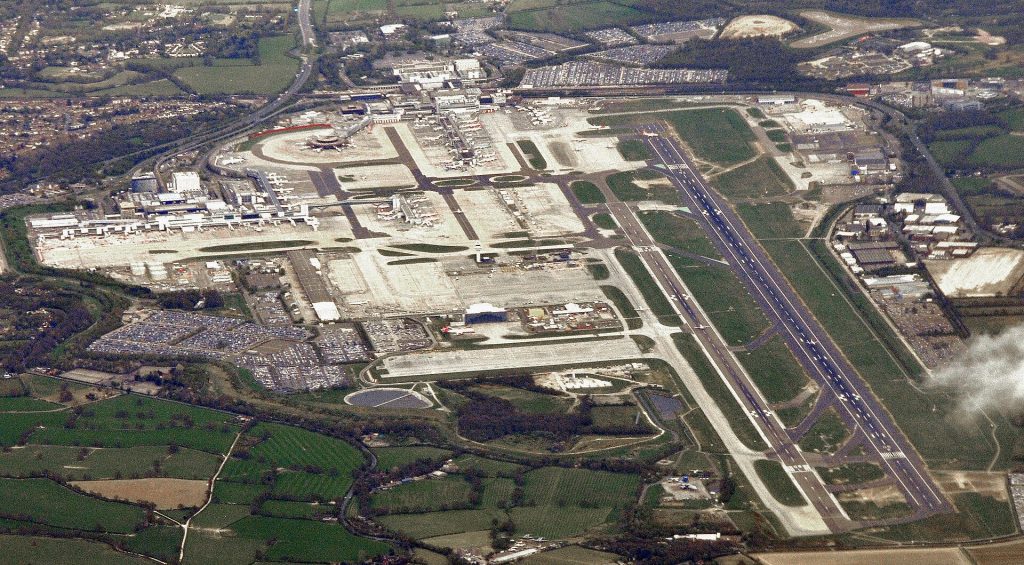
A Recovery Built on Passengers, Not Movements
The post-pandemic rebound has been sharper in seat numbers than in flights. ADS Advance reports that UK airports handled 292 million passengers in 2024, rising to 299.2 million in 2025, surpassing the pre-pandemic record of 296.7 million. Yet aircraft movements in 2025 reached only 2.04 million, still below 2019's 2.21 million, ADS Advance notes. Airlines are carrying more people per departure, which is commercially logical, but it means the runway system is handling its record passenger load on fewer slots than it once needed. That gap will not persist indefinitely as networks rebuild.
The DfT's Forecast and What It Implies
UK airport traffic is projected to reach 490.6 million passengers by 2050, a rise of 68% on current levels, ADS Advance reports, in the Department for Transport's first comprehensive aviation forecast to be published since 2017. The DfT's own 2026 modelling, cited by both ADS Advance and the Aviation Environment Federation, puts the figure at 491 million passengers once Heathrow expansion is factored in, with the network operating at 88% capacity utilisation. The contrast with the previous baseline is striking: the Aviation Environment Federation reports that DfT modelling in 2017 indicated UK airports could handle at least 409 million passengers per year. With new infrastructure included, that ceiling has now been lifted by roughly 80 million passengers.
An 88% system-wide utilisation figure by 2050 is not comfortable headroom. In practice, no airport operates every stand, every gate and every runway slot simultaneously at theoretical maximum. A system running at 88% on paper is one where any individual bottleneck, whether a constrained airport, a disrupted hub or a capacity-limited terminal, will generate disproportionate delays and knock-on effects across the network.
The Climate Ceiling
The DfT's projected trajectory is not without its critics, however. The Aviation Environment Federation reports that the Climate Change Committee considers 400 million annual passengers the upper limit for the UK by 2050, which is 91 million fewer than the DfT's expansion scenario envisages. The CCC's recommended pathway, as set out by the Aviation Environment Federation, would see passenger numbers held flat until 2030, rising by just 2% through to 2035 and by 10% by 2040. Were that more cautious approach adopted, the 88% system-wide capacity pressure implied by the DfT's figures would not come to pass, yet congestion at the most constrained airports would remain a live concern, since the headline aggregate obscures the uneven distribution of spare capacity across the network.
Where the Spare UK Runway Capacity Actually Sits
The CAA's data spanning more than 60 airports makes the distribution visible. The national 40% average is weighted heavily by airports with long runways, good surface access and limited scheduled demand. Regional airports across Scotland, Wales, Northern Ireland and parts of England carry a fraction of the traffic their infrastructure could handle. Meanwhile, the South East concentrates demand that those airports cannot easily absorb, because the passengers and the businesses generating the journeys are not located near the spare capacity.
You can explore which carriers serve which UK airports using our Airline Search tool, which covers scheduled operations across the network.
What This Means for Expansion Policy
The core tension in UK aviation policy is that expansion decisions are being made against a national average that flatters the overall position. A 40% system-wide utilisation rate would, in a geographically flexible market, suggest that building new runways is unnecessary. The UK market is not geographically flexible in any meaningful sense: demand is overwhelmingly concentrated in London and the South East, and the airports with spare capacity are not substitutes for Heathrow in commercial or connectivity terms.
The DfT's own modelling, reaching 88% utilisation only under the expansion scenario, implies that without additional infrastructure the system faces even tighter conditions at constrained points. The mismatch between where capacity exists and where passengers need it will not be resolved by pointing to a national average.
The Bottom Line
The 40% figure is real, and it represents genuine slack in the British airport system. The question for policymakers, airlines and passengers is not whether spare capacity exists nationally, but whether it exists where it is needed. The DfT's 2026 forecast and the CCC's recommended ceiling are 91 million passengers apart by 2050. The distance between those two numbers is, in effect, the distance between two entirely different visions of what UK aviation should become. The official figures do not resolve that argument. They simply make clear how consequential it is.
This article draws on information from Civil Aviation Authority and reporting by Aviation Environment Federation and ADS Advance.
Continue to follow The Aviation Hub for more analysis and insight.
Advertise with us Your brand, in front of an aviation audience Home page and in-article placements, sold directly, one advertiser per slot. From £250 a year. See the rates