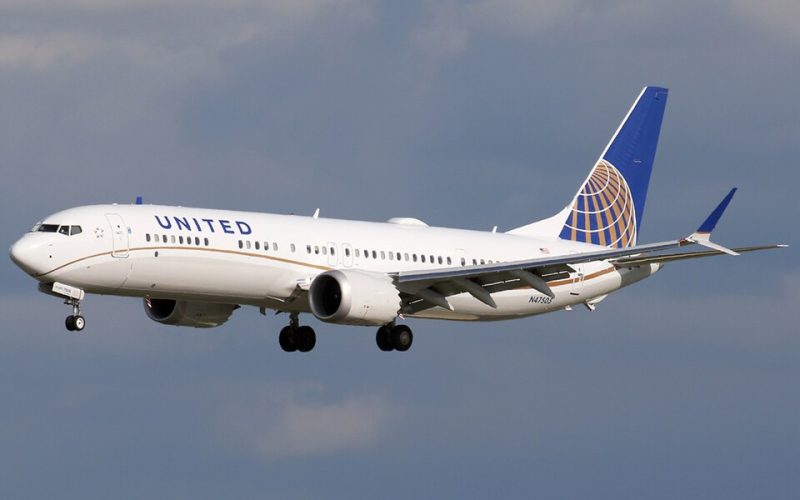

A United Airlines Boeing 787-9 bound for Newark declared an emergency over the Aegean Sea overnight. The crew diverted the Dreamliner to Athens after reporting smoke fumes in the cabin.

Newark Flight Squawks 7700 Over the Aegean
Flight UA168 left Tel Aviv Ben Gurion Airport late on Sunday 8 November, Flightradar24 data shows. The aircraft was heading west on its scheduled routing to Newark Liberty International Airport.
Over the eastern Aegean, however, the crew selected the 7700 general emergency code. Flight Emergency by AirNav Radar tracked the jet at 32,000 feet near the Greek island of Leros.
AirNav Radar later reported that smoke fumes in the cabin had prompted the diversion. The crew then turned northwest and set course for Athens International Airport. You can follow emergencies like this one as they unfold on our Squawk 7700 page.
Fuel Jettison and Fire Crews on Standby
Because UA168 carried fuel for a transatlantic crossing to Newark, it sat well above its maximum landing weight. As a result, the crew jettisoned fuel during the descent, The Yeshiva World reported.
Meanwhile, fire crews took up positions beside the runway at Athens ahead of the arrival, according to Greek City Times. The outlet added that there was no fire on board, although the smell raised concern about a possible electrical issue.
The 787 landed safely in the early hours of Monday local time. Afterwards, passengers disembarked normally, according to Brit Brief, which put the number on board at 230 passengers and 13 crew.
United Confirms Cabin Odour on Newark Flight
In a statement, United said the flight “diverted to Athens and landed safely to address an odour in the cabin.” The airline has not yet confirmed the source of the smell.
So far, there are no reports of injuries. In addition, United has not publicly set out when passengers will complete their journey to Newark.
The Aircraft Involved
The aircraft operating UA168 was N24993, a relatively young Boeing 787-9 in the United fleet. It carries manufacturer serial number 38269 and line number 1219, and joined United in April 2025, Airfleets records show.
That makes the jet around 19 months old. Two General Electric GEnx-1B engines power the aircraft, according to FlightAware.
Why Crews Treat Cabin Fumes Seriously
Smoke and fume events rank among the most time critical scenarios a flight crew can face. Even when the cause proves minor, pilots cannot rule out an electrical fire at altitude.
For that reason, procedures direct crews to land without delay at a suitable airport rather than press on. Over the Aegean, that meant Athens instead of a long Atlantic crossing to Newark.
Athens offered long runways, full rescue cover and the capacity to look after a widebody load overnight. The decision reflects the conservative airmanship that underpins long haul safety.
What Happens Next for the Newark Service
Engineers in Athens will now inspect the 787 to trace the source of the odour. Once they clear it, the aircraft should return to service, while United works to reaccommodate passengers bound for Newark.
The Aviation Hub will update this story as more details emerge.
Continue to follow The Aviation Hub for more analysis and insight.
Advertise with us Your brand, in front of an aviation audience Home page and in-article placements, sold directly, one advertiser per slot. From £250 a year. See the rates