United Airlines’ New Flight Attendant Bases: What Dallas and Sacramento Really Signal
United Airlines has confirmed two new flight attendant bases at Dallas-Fort Worth and Sacramento, raising questions about the airline's strategic direction.
 By The Aviation Hub
5 min read
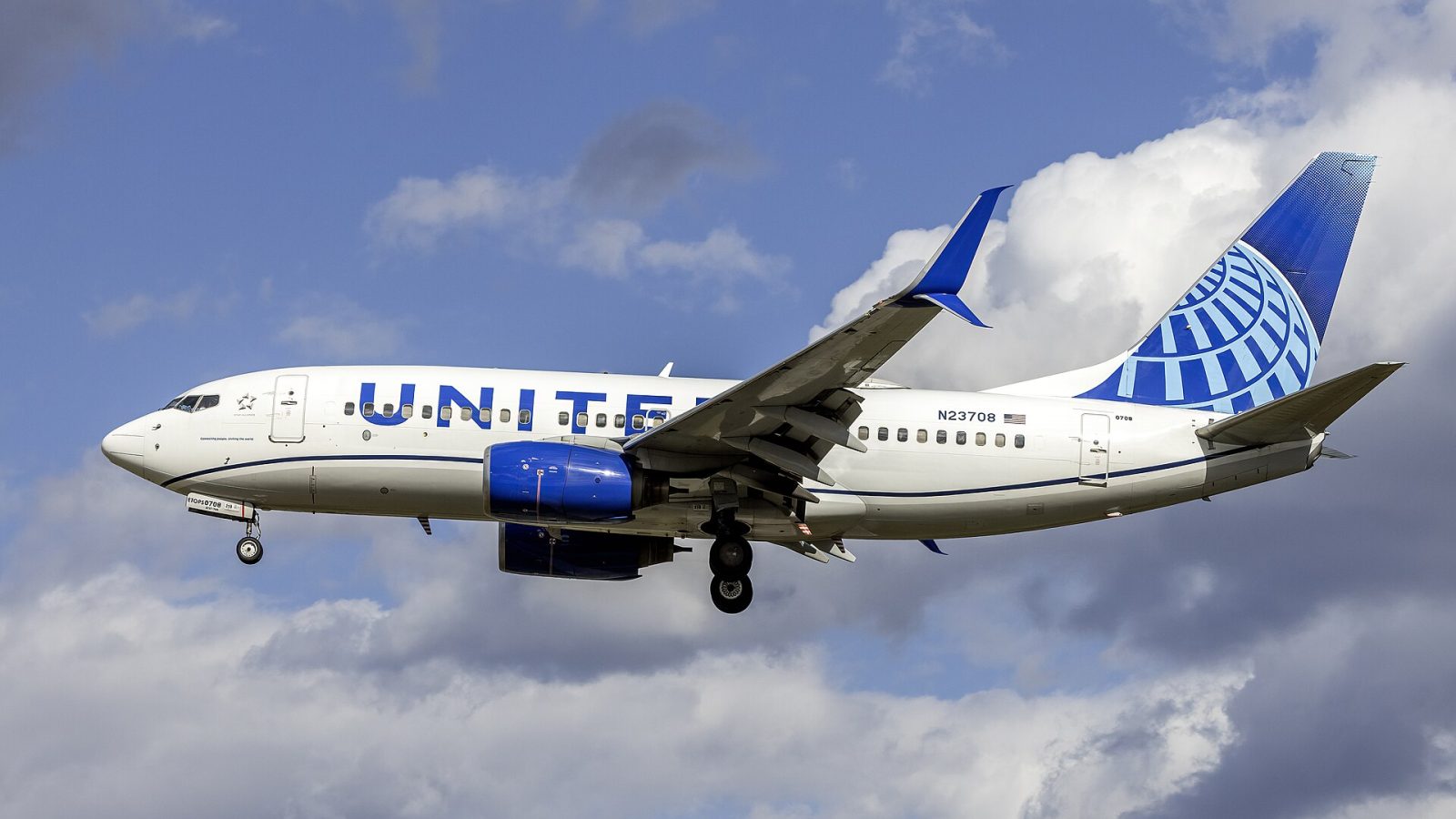
United Airlines flight attendant bases are expanding, with the airline confirming two new locations at Dallas-Fort Worth (DFW) and Sacramento (SMF), bringing its total to 13 primary bases, or 15 when Guam and London Heathrow are included. As Paddle Your Own Kanoo reports, the airline had been signalling since early September that new bases were coming, but had declined to name the locations until 22 October 2026.

We covered the initial announcement in our report on United's new Dallas and Sacramento bases. This piece sets out what the decision tells us, what it does not, and what to watch in the months ahead.
Why United Airlines Flight Attendant Bases Matter
A flight attendant base is not merely an administrative label. As One Mile at a Time explains, bases are the airports from which crew begin and end their working trips, and where reserve flight attendants stand by to cover disruptions. A well-placed base can meaningfully improve an airline's operational resilience.
United's existing primary bases are concentrated at its hubs: Newark Liberty (EWR), San Francisco (SFO), Chicago O'Hare (ORD), Washington Dulles (IAD), Houston George Bush Intercontinental (IAH), Denver (DEN), Los Angeles (LAX) and Phoenix (PHX). Beyond those, Paddle Your Own Kanoo notes that there are also bases in Honolulu, Florida (spread across Fort Lauderdale, Orlando and Tampa), Boston and Cleveland, plus satellite operations including Austin.
Adding bases at DFW and SMF extends that geographic spread. The question is what operational or strategic logic supports those two specific choices.
What the Numbers Show
The scale of United's existing bases gives useful context. Paddle Your Own Kanoo reports that Newark had nearly 5,000 lineholders as of August 2026, making it the largest base by that measure. San Francisco follows with around 3,500, and Chicago O'Hare has around 2,600.
The two new bases are not expected to reach anything close to those figures. According to Paddle Your Own Kanoo, DFW and SMF will have a relatively small number of flight attendants based there and will not be classified as primary bases. Flight attendants will be able to bid to transfer based on seniority, meaning the more junior crew may end up assigned there by default.
That relatively modest footprint means the immediate operational impact is limited. It does not, however, mean the strategic signal is minor.
The Dallas Question
Of the two airports, Dallas-Fort Worth is the one that has attracted most scrutiny. DFW is the fortress hub of American Airlines, and United's current presence there is, by any measure, small. One Mile at a Time notes that DFW does not rank among United's most heavily served airports that lack a flight attendant base, which makes the decision harder to explain on pure volume grounds.
The same piece acknowledges that United chief executive Scott Kirby lives in Dallas, a fact that has attracted comment. However, One Mile at a Time also notes that Kirby reportedly tends to commute on American Airlines, given its greater frequency in the market and his travel privileges on the carrier. That detail makes any suggestion of a personal-convenience rationale harder to sustain.
Paddle Your Own Kanoo had anticipated bases in Miami and New York JFK ahead of the announcement. The Miami logic centred on Kirby's stated ambitions for South American expansion, given Miami's role as a regional gateway. The JFK logic related to United's returning partnership with JetBlue and Kirby's comments about pursuing additional slots at the airport. Neither of those came to pass with this announcement.
Sacramento: Cleaner Logic, Open Questions
Sacramento is arguably the easier of the two to rationalise, even if it is still not an obvious first choice. It is a growing Californian market, and a base there could extend United's operational reach in a state where it already has significant infrastructure at SFO and LAX. One Mile at a Time suggests that geographic diversity, including the ability to position reserve crew to nearby airports, is one likely consideration when airlines select non-hub base locations.
Even so, United has not publicly set out the specific route or service volume reasoning behind Sacramento's selection. The airline confirmed the locations without providing detailed operational justification.
What Is Still Not Known
United has not disclosed how many flight attendants will be assigned to either base at opening, nor has it confirmed a launch date. It has not explained publicly why Dallas was chosen ahead of markets with a larger existing United presence. Whether these bases represent a precursor to meaningfully expanded flying from DFW or SMF, or whether they serve a narrower reserve and commuting purpose, is not clear from the information available.
One Mile at a Time frames the Dallas choice as genuinely puzzling and, notably, stops short of settling on a theory. That is an honest position given what the sources show.
What to Watch Next
The bases themselves are small. Their significance is likely to become clearer only in the context of what United does next at DFW and SMF in terms of routes and frequencies. If Dallas grows as a United point of service over the next 12 to 24 months, the base decision will look like deliberate groundwork. If it does not, the rationale may remain opaque.
You can track United's network development using the Airline Search tool, which lets you explore routes and coverage by carrier.
The Bottom Line
Two small bases in unexpected cities do not reshape United Airlines overnight. What they do is raise legitimate questions about network strategy that the airline has not yet answered publicly. Dallas in particular sits oddly against United's current footprint there. Whether this is a quiet opening move in a larger push, or a targeted operational fix, will become apparent as United's schedule at both airports develops.
Continue to follow The Aviation Hub for more analysis and insight.
Advertise with us Your brand, in front of an aviation audience Home page and in-article placements, sold directly, one advertiser per slot. From £250 a year. See the rates