United Airlines to Retire 80 Aircraft in 2027: What, When & Why
 By The Aviation Hub
6 min read
Updated September 20, 2026
By The Aviation Hub
6 min read
Updated September 20, 2026 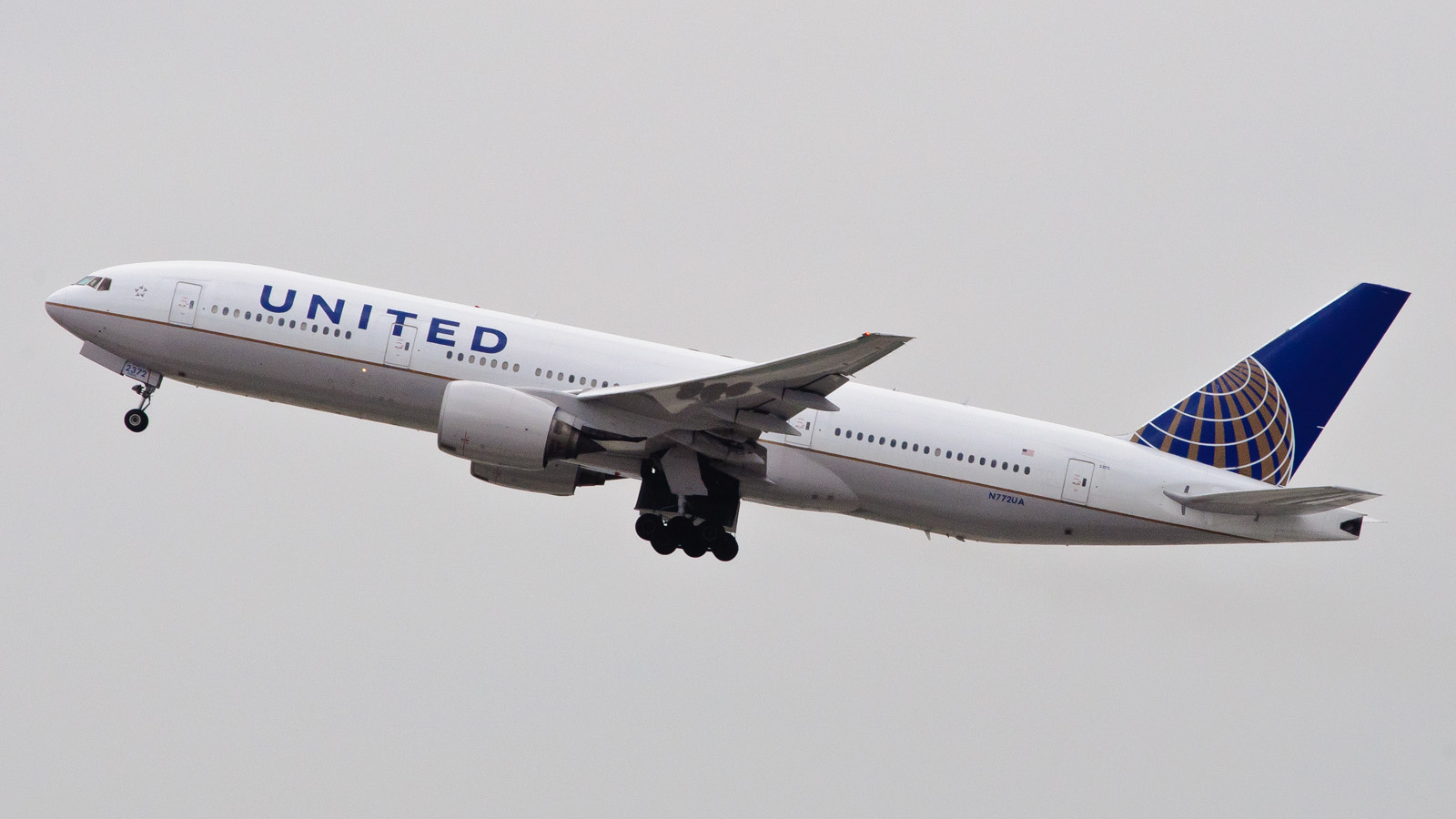
United Airlines is preparing to send at least 80 ageing aircraft into retirement in 2027, one of the most ambitious fleet clear-outs the carrier has attempted in recent years.
The plan, reported by DJ’s Aviation and covered by FlightGlobal after comments from management in July 2026, links the retirements directly to the arrival of new aircraft, including the long-awaited Boeing 737 MAX 10.
For United Airlines, the message is clear: the era of stretching older jets to fill capacity gaps is coming to an end.
This analysis examines what has been confirmed, why the move is happening now, what executives have said, and what it could mean for costs, passengers and the wider network.
What United Airlines Has Announced
According to DJ’s Aviation, the 80 retirements will take place across United Airlines’ mainline and regional operations and will affect both narrowbody and widebody fleets.
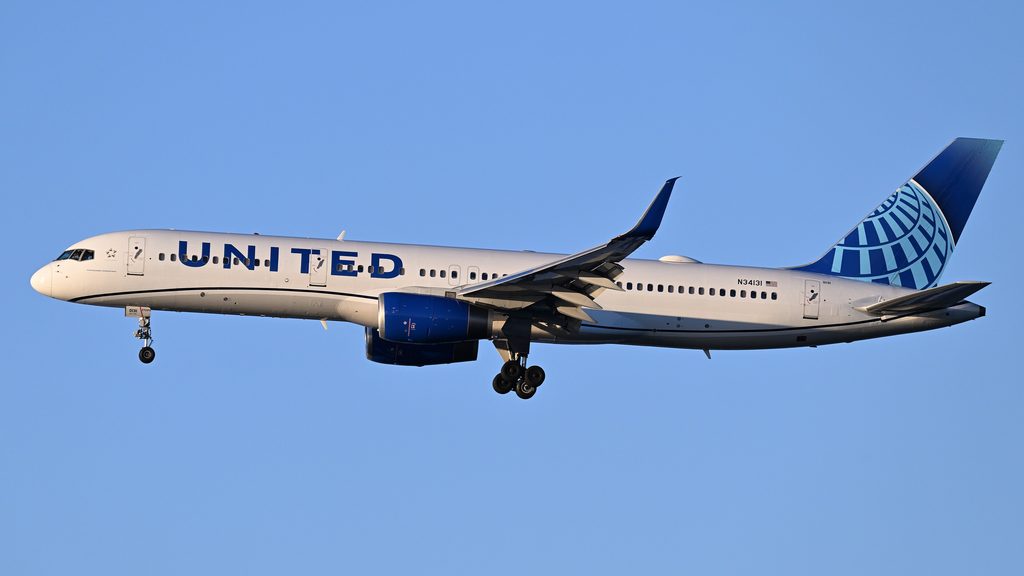
The types named in the report are the Boeing 737-800, Airbus A319 and A320, Boeing 757, Boeing 767 and Boeing 777-200.
FlightGlobal described the programme as a step up in retirement activity compared with previous years, and said it coincides with the airline’s expectation of receiving its first Boeing 737 MAX 10 aircraft in 2027.
DJ’s Aviation adds that United is targeting an average of 136 seats across its North American fleet, which points to a deliberate move towards larger, more premium-heavy aircraft.
DJ’s Aviation describes the figure as “at least” 80, so the total could still rise.
The exact split between aircraft types has not been detailed publicly, and the numbers should be treated as a minimum rather than a fixed target.
Why United Airlines Is Retiring Aircraft Now
The timing is driven by the delivery pipeline.
Aviation Outlook’s fleet analysis puts the mainline fleet at 1,115 aircraft in July 2026, with an average age of around 15.1 years and more than 500 aircraft on firm order.
It also counts more than 250 new deliveries between March 2026 and April 2028, including 119 Boeing 737 MAX and 47 Boeing 787-9 aircraft, alongside dozens of Airbus A321 variants.
That pipeline gives United Airlines the confidence to let older jets go.
A 757 or A319 costs more to fuel and maintain per seat than a modern replacement, and older aircraft are more likely to suffer unplanned downtime, a point DJ’s Aviation highlights.
Every retirement therefore removes a source of cost and disruption, provided the replacement arrives on time.
That has not always been the case.
Aviation A2Z has reported delays to the airline’s first Airbus A321XLR, and Aviation Outlook notes that MAX 10 certification has slipped to 2027 or 2028.
Retirements planned for 2027 are therefore a statement of confidence as much as a fleet decision.
Expert Commentary: What United Airlines Leadership Is Saying
The airline’s own leadership has been clear about the logic.
Chief Financial Officer Mike Leskinen described the retirements as a meaningful increase over previous years, according to Fleet Wire’s report.
Chief Commercial Officer Andrew Nocella said the MAX 10 will outperform previous generations of narrowbody aircraft “across virtually every category”, while CEO Scott Kirby has focused on onboard upgrades such as Starlink connectivity, with roughly 1,000 aircraft targeted before the end of the year.
The most useful idea in that coverage is what management calls a barbell approach.
The newest aircraft are placed on high-demand, profitable routes, while older jets are kept for peak periods rather than flown all year.
In our view, the 2027 retirements are the point where that barbell becomes lopsided: fewer old aircraft in the middle of the fleet, and a clear commitment to modern, premium-rich aircraft on the routes that matter most.
That reading fits the financial ambition.
Fleet Wire reports that United Airlines is aiming for long-term operating margins in the mid-teens, a level that is difficult to reach with an average fleet age above 15 years and rising maintenance bills.
Retirements are one of the few levers the airline fully controls.
What It Means for United Airlines’ Costs and Operations
The financial case rests on three areas: fuel, maintenance and reliability.
Newer narrowbodies such as the A321neo and the MAX family burn considerably less fuel per seat than the 757s and A319s they replace, which directly reduces the largest variable cost in the business.
Maintenance costs tend to rise sharply as airframes age, so retiring the oldest jets before major checks fall due can avoid significant spending.
Reliability is the third benefit, since fewer unplanned groundings protect both revenue and customer perception.
There is also a balance sheet angle.
Retiring aircraft rather than keeping them in storage removes ongoing parking and preservation costs, although the airline will still face accounting adjustments and, on leased aircraft, return conditions.
Where the numbers ultimately land will depend on how quickly replacement aircraft enter service.
United Airlines cannot afford a capacity gap in the busiest travel periods, which is why the phasing of these retirements will matter as much as the total.
What the Retirements Mean for Passengers
Passengers are likely to notice the change most on long-haul and premium routes.
DJ’s Aviation says the new narrowbodies will replace 757s on transatlantic and South American services, as well as high-yield domestic trunk routes such as San Francisco and Los Angeles to Newark.
The seat counts tell the story.
The A321neo in United’s Coastliner configuration is reported to offer 20 Polaris lie-flat seats, 12 Premium Plus seats and 129 economy seats, while the A321XLR is due to feature 32 Polaris Suites alongside Premium Plus and economy.
Compared with an ageing 757, that is a far larger premium offering on a similar-sized aircraft.
For premium travellers this is positive news.
For economy customers the picture is mixed: newer cabins, larger overhead bins and seatback entertainment are welcome, but a bigger premium cabin usually means fewer economy seats and potentially higher fares in the back.
United Airlines is betting that the revenue uplift from premium demand will more than offset that trade-off.
The Risks The Airline Must Manage
The plan is not without risk. The largest is certification and delivery timing.
If the MAX 10 arrives later than expected, or if Airbus and Boeing production slips again,
United Airlines could face a squeeze on capacity just as older aircraft leave the fleet.
Fleet Wire reports that up to 20 MAX 10s could arrive in the first year of service, a modest number against 80 retirements, so Airbus deliveries will carry much of the weight.
Widebody transitions are a second concern.
Retiring 767s and 777-200s is likely to lean on the 47 Boeing 787-9s scheduled through April 2028, and any delay leaves fewer long-haul options.
Finally, there is the human side: pilots, engineers and cabin crew must be trained on new types, and operating a mixed fleet during the changeover adds complexity.
The airline has managed similar transitions before, but the scale in 2027 is significant.
Outlook: A Leaner, More Premium United Airlines
The decision to retire 80 aircraft in 2027 is best understood as a fleet reset rather than a routine tidy-up.
It reflects confidence in a large order book, a drive for lower unit costs and a clear push towards a premium-focused product.
The strategy is sound on paper, and the airline’s margin ambitions depend on it. Execution is what matters now.
If deliveries and certification stay broadly on schedule, United Airlines will emerge with a younger, more efficient and more profitable fleet.
If they do not, the retirement schedule may need to flex.
Either way, 2027 looks set to be one of the most important years in the carrier’s recent history.
Continue to follow The Aviation Hub for more analysis and insight!