Volotea Shrinks Fleet and Restructures Debt as Fuel Costs Bite
 By The Aviation Hub
6 min read
Updated September 30, 2026
By The Aviation Hub
6 min read
Updated September 30, 2026 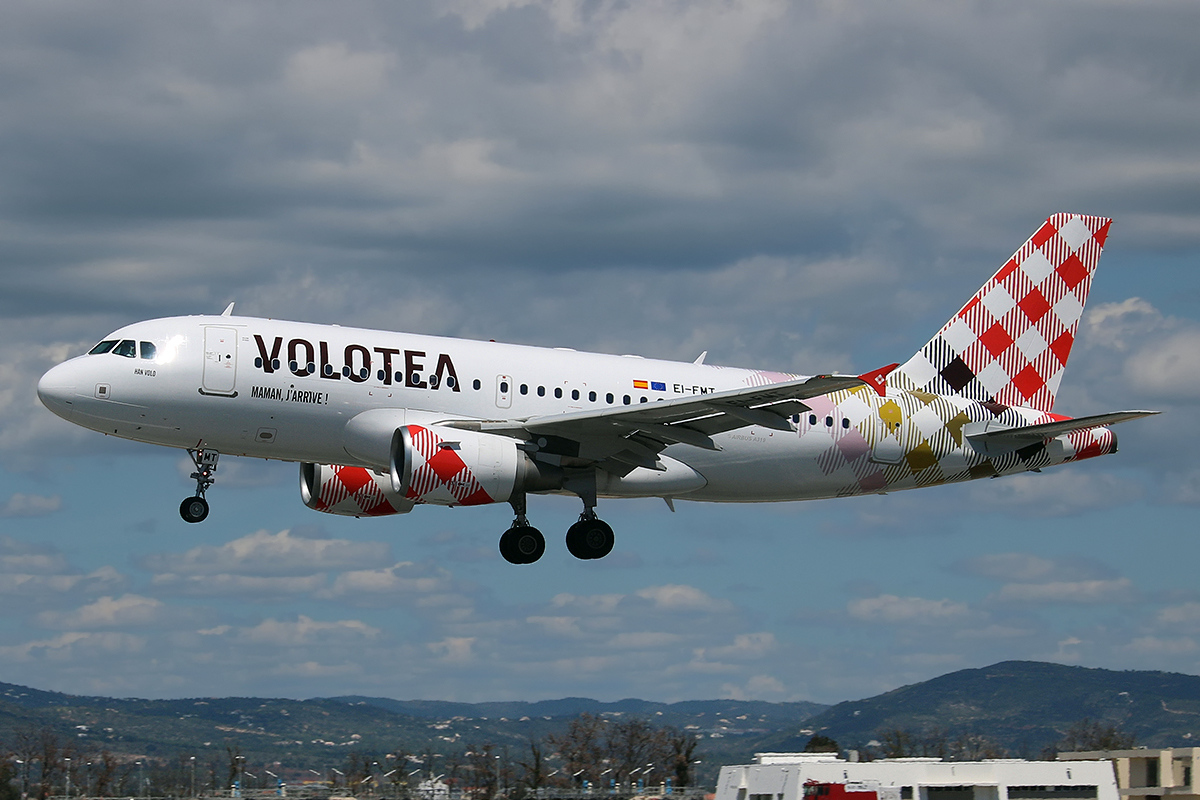
Volotea is preparing for one of the biggest resets in its history.
The Spanish carrier plans to cut its fleet from 44 aircraft to between 30 and 35, remove around 50 roles at its Barcelona headquarters and restructure its long term debt.
The airline is also working towards another capital increase.
FlightGlobal reports that management has linked the plan to high fuel costs and significant geopolitical uncertainty across the industry.
For a carrier built on connecting smaller European cities, losing close to one third of its fleet is not a routine trim.
It is a fundamental rethink of how large the business can afford to be.
What Volotea Has Announced
The airline currently operates a fleet of Airbus A320 and A319 aircraft.
Under the restructuring plan, that fleet will fall to somewhere between 30 and 35 jets, taking up to 14 aircraft out of service.
According to Aviacionline, the carrier is negotiating with SEPI, banks and lessors, with the aim of reaching an agreement before December.
Around 50 jobs are expected to go at the operational headquarters in Barcelona.
This is not the first time the airline has had to rework its balance sheet.
Aviacionline notes this is the third major restructuring of debt inherited from the pandemic.
Management has stressed that scheduled flights continue as normal while the talks take place.
Gate7 reported that some bases are expected to be mothballed this winter as part of a wider network rationalisation.
The €150 Million Fuel Problem at Volotea
At the heart of the problem is fuel.
Volotea estimates the fuel price crisis will cost it around €150 million per year, according to AeroTime.
That is an enormous sum for an airline of this size.
The carrier blames the increase on the conflict in the Middle East, which has driven sharp volatility in energy prices since March.
The movement in jet fuel has been dramatic.
One industry report notes that the Iran conflict pushed jet fuel from roughly $800 to around $1,300 per metric ton earlier this year.
Other coverage links the spike to disruption around the Strait of Hormuz.
For a low cost carrier, fuel is typically the single largest variable cost.
When that cost rises by more than half in a matter of months, the margins that underpin a regional point to point model can disappear quickly.
The airline did try to respond earlier in the year.
AeroTime reports that it introduced a retroactive fuel surcharge on some flights, before withdrawing it after significant criticism from travellers.
That episode matters.
It showed there was limited scope to pass higher costs on to passengers without damaging the brand.
That left capacity and cost reduction as the more realistic levers.
Why SEPI Matters
One of the key creditors at the table is SEPI, the Spanish state owned industrial holding company.
AeroTime explains that SEPI backs companies considered strategically significant for Spain across a range of industries.
SEPI’s involvement dates back to pandemic support for Spanish airlines.
Its presence gives the carrier a creditor with an interest in the long term survival of the business, not simply the fastest possible recovery of funds.
That does not make the negotiations easy.
However, it does suggest the most likely outcome is a longer repayment profile and a stronger capital position, rather than a disorderly collapse.
A Profitable Airline Under Pressure
Perhaps the most striking detail is that Volotea has not been a loss making airline in recent years.
Industry reporting notes that it has recorded three consecutive years of operating profit.
That context is important.
The restructuring is not a response to a broken business model. It is a response to a sudden cost shock layered on top of a heavy legacy debt load.
Aviacionline reports that chief executive Carlos Muñoz framed the decision around protecting the regional connectivity model.
In his view, the difficult industry context leaves the company no choice but to restructure its debt and fleet to secure its long term future.
What a Smaller Volotea Looks Like
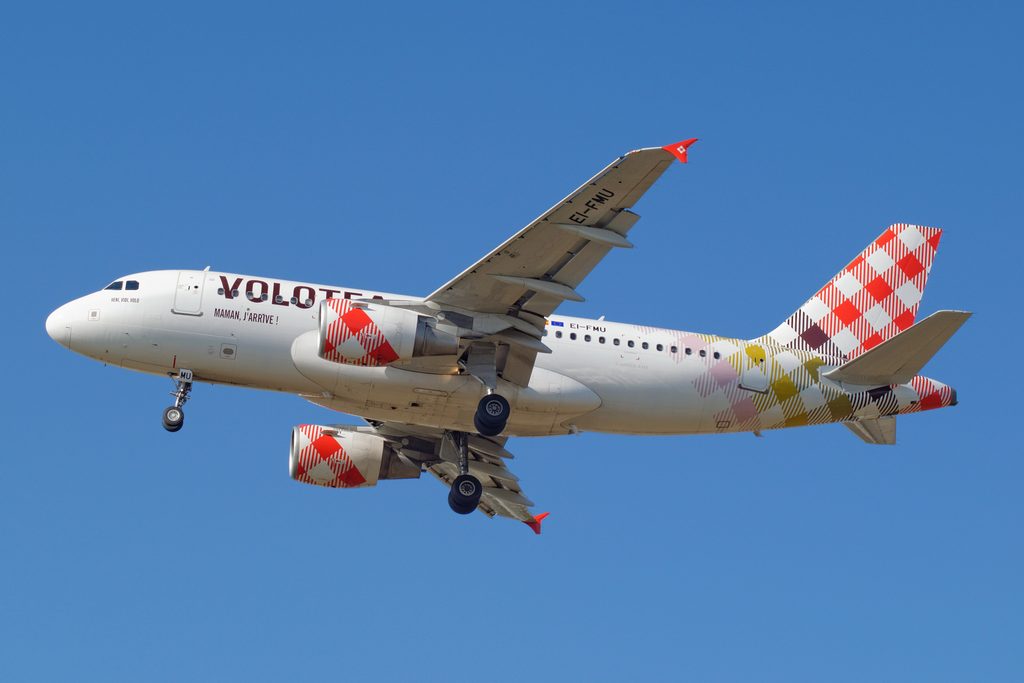
Removing up to 14 aircraft will inevitably change the network.
The airline has not said which bases or routes will be affected, and AeroTime confirms that no details have yet been provided about specific bases.
The strength of Volotea has always been routes that larger carriers ignore.
It links secondary cities in Spain, France, Italy and Greece, with frequencies tuned closely to seasonal demand.
A smaller fleet is likely to favour the most profitable of those markets.
Thin winter routes and marginal summer services look the most exposed.
There is also a timing tension.
Gate7 highlighted that the cuts come shortly after the carrier announced new bases and routes in Europe.
Airlines rarely reverse expansion plans this quickly unless the numbers have changed materially.
For the regions it serves, the risk is real.
At many of these airports, Volotea is one of very few carriers offering direct links, and there is no guarantee a competitor will step in.
Lessors and the Wider A320 Market
The fleet reduction also has implications for lessors.
In normal times, returning up to 14 A320 family aircraft would be straightforward.
Narrowbody demand has been strong for years because of engine problems and delivery delays at both Airbus and Boeing.
The picture in 2026 is more mixed.
If other airlines are also trimming capacity because of fuel, lessors may find remarketing slower than usual.
That gives the carrier some bargaining power in lessor discussions.
It also explains why lessors are part of the negotiation, rather than simply taking aircraft back.
A Pattern Across European Aviation
This is not an isolated case.
Across Europe, smaller airlines with limited hedging and thin balance sheets are the most exposed to a fuel shock of this magnitude.
Large network groups and the biggest low cost operators can absorb volatility through hedging, scale and pricing power.
A regional specialist has far fewer options.
Readers can compare fleets and networks across European operators using the Airline Search tool here on The Aviation Hub.
What Comes Next for Volotea
The immediate milestone is December, when the airline hopes to finalise its debt restructuring with SEPI, banks and lessors.
The capital increase will run alongside that process.
If both succeed, Volotea should emerge smaller but with a more sustainable financial structure.
It will then need fuel prices to stabilise before it can realistically think about growth again.
If the talks stall, pressure will build quickly as the carrier heads into the weaker winter months.
For now, flights are operating normally.
The next few months will decide whether this is a reset or the start of a longer decline for Volotea.
Continue to follow The Aviation Hub for more analysis and insight!
Advertise with us Your brand, in front of an aviation audience Home page and in-article placements, sold directly, one advertiser per slot. From £250 a year. See the rates