WestJet Begins Boeing 737-700 Phaseout
 By The Aviation Hub
3 min read
Updated September 28, 2026
By The Aviation Hub
3 min read
Updated September 28, 2026 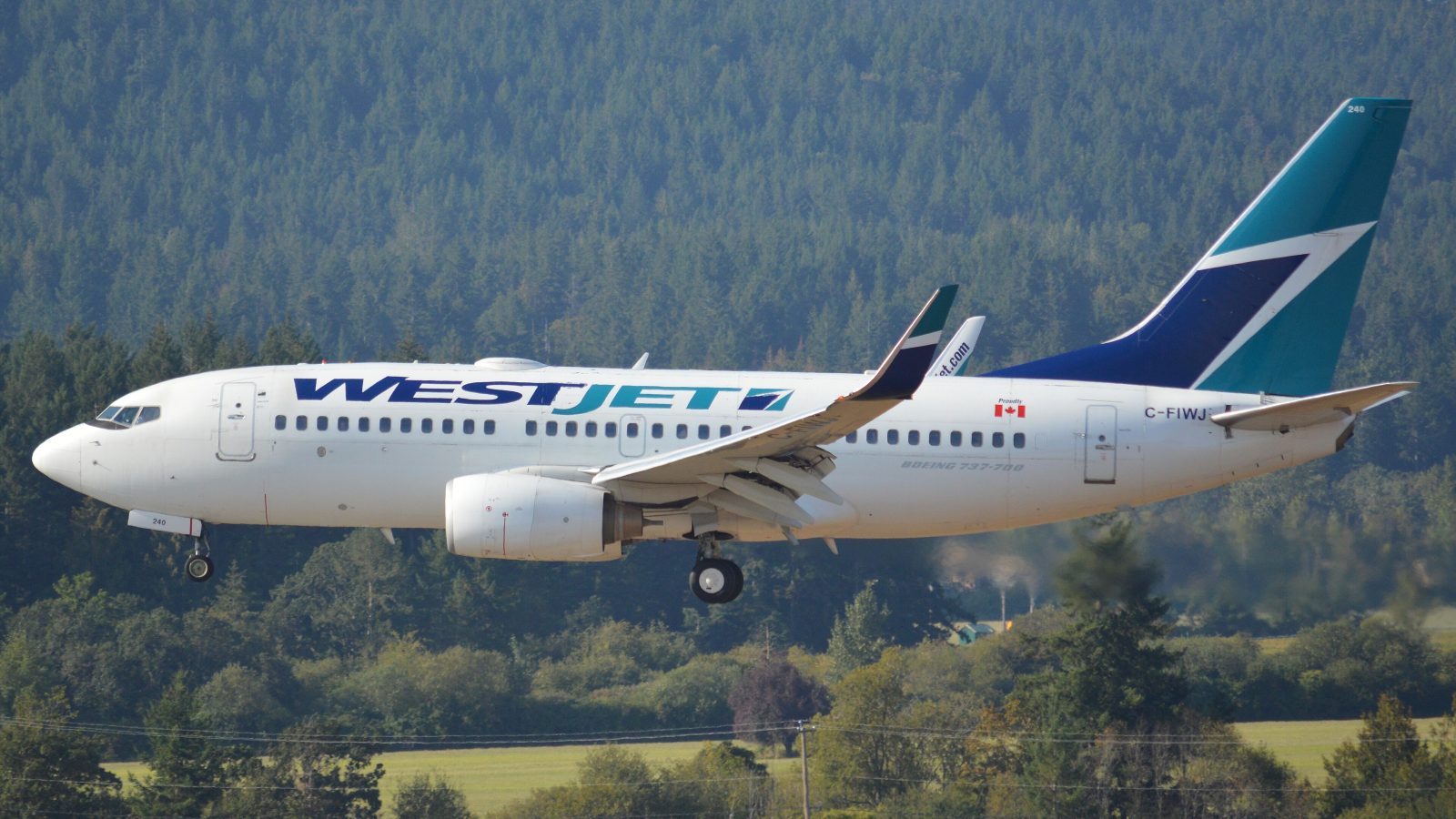
WestJet has formally started retiring its Boeing 737-700 fleet after agreeing a deal that will see 27 of the type transferred to FTAI Aviation.
The transaction combines a sale and leaseback of 17 aircraft with the outright purchase of 10 off lease jets, marking the first concrete step in removing one of the most recognisable aircraft in the Canadian carrier’s history.
How the WestJet and FTAI Deal Works
The 27 aircraft are split across two parts of FTAI’s business.
The 17 jets still in service have been acquired through FTAI’s 2026 SPV, the second investment vehicle established by its Strategic Capital business.
The airline will continue operating them under lease agreements, giving it breathing room while replacements arrive.
The remaining 10 aircraft have been bought directly by FTAI as they exit the fleet. Rather than returning to service, they will provide CFM56-7B engines and modules for FTAI’s Aerospace Products business.
That material will feed the company’s maintenance, repair and exchange operations, increasing the pool of parts available to support engine customers.
McGuireWoods advised FTAI, while BD&P represented WestJet. Financial terms were not disclosed.
WestJet Calls It the First Step
The airline has been clear that this is only the beginning.
Mike Scott, WestJet Group Executive Vice President and Chief Financial Officer, described the deal as “a strategic milestone that officially marks the start of our retirement of our 737-700 fleet.”
It also indicated that it expects to pursue additional opportunities with FTAI, suggesting more of the type could follow the same route as retirements gather pace.
How Old Is the WestJet 737-700 Fleet?
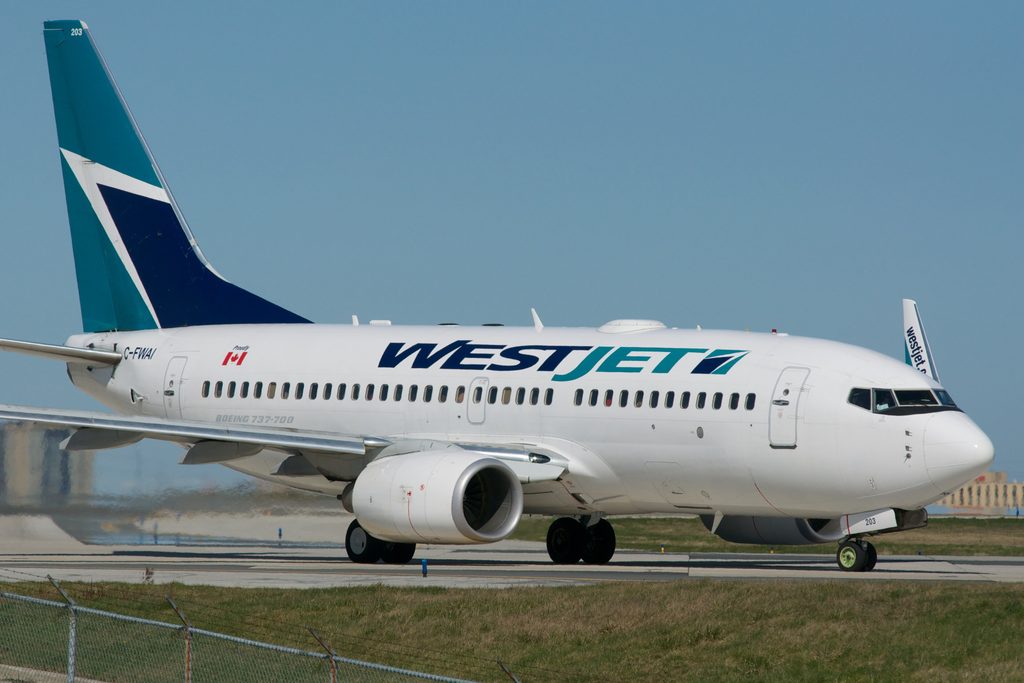
The 737-700 has been at the heart of WestJet since 2001, when the airline took delivery of its first Next Generation 737 and began replacing the older 737-200s that launched the carrier in 1996.
The type went on to power the airline’s expansion across Canada, the United States and sun destinations further south.
That long service record now works against it.
The earliest examples are approaching 25 years old.
With the bulk of the fleet delivered during the 2000s, many of the roughly 35 examples still flying have passed two decades of service.
For a short haul narrowbody flying several sectors a day, that age brings high cycle counts, heavier maintenance checks and rising costs.
The CFM56-7B powered 737-700 burns more fuel per seat than the 737 MAX family, and with around 130 seats it is the smallest mainline jet in the WestJet narrowbody fleet.
Like airlines worldwide, the carrier is moving towards larger aircraft to lower unit costs.
What Replaces the 737-700 at WestJet
WestJet placed an order for 60 Boeing 737 MAX 10 aircraft in September 2025, with options for 25 more, alongside seven additional 787-9 Dreamliners.
The MAX 10 offers significantly more capacity than the 737-700, letting the airline grow seats without adding frequencies.
The sale and leaseback structure is key here.
Instead of grounding all 27 jets at once, the airline can keep 17 flying under lease and phase them out as new aircraft join the fleet.
Why the Deal Makes Sense for FTAI
FTAI created its 2026 SPV to invest in midlife 737NG and A320ceo aircraft that remain on lease.
It follows the 2025 SPV, which raised $2 billion in equity commitments and has committed approximately $6 billion across more than 300 aircraft.
The 10 aircraft heading for teardown are equally valuable.
Demand for CFM56-7B engines remains strong as operators keep 737NG fleets flying longer.
Overall…
This deal gives WestJet a clean, flexible exit from an ageing fleet while protecting capacity during the transition.
The 737-700 built the modern WestJet, but after a quarter of a century its retirement is overdue.
Expect further transactions with FTAI as WestJet accelerates its move to the 737 MAX 10.
Continue to follow The Aviation Hub for more analysis and insight!
Advertise with us Your brand, in front of an aviation audience Home page and in-article placements, sold directly, one advertiser per slot. From £250 a year. See the rates